




Safety & Security Mirrors — Comprehensive Visibility Solutions for UK Premises
Safety and security mirrors serve a dual purpose: they protect people by eliminating dangerous blind spots, and they deter and detect theft, unauthorised access, and antisocial behaviour. From retail shopfitting to prison security, from hospital corridors to public transport hubs, our range of safety and security mirrors is specified by facilities managers, loss prevention teams, and health and safety professionals across the UK.
The Role of Safety Mirrors in Risk Management
Under the Health and Safety at Work Act 1974 and the Workplace (Health, Safety and Welfare) Regulations 1992, employers have a legal duty to control risks from workplace hazards — including collision risks in corridors, blind corners, and areas where pedestrian and vehicle traffic intersect. Safety mirrors are a low-cost, low-maintenance solution that directly addresses these obligations. For retail and commercial operators, security mirrors also form a critical layer of the visual deterrence strategy against shoplifting and internal theft.
Types of Safety & Security Mirror
Convex Wall & Corner Mirrors
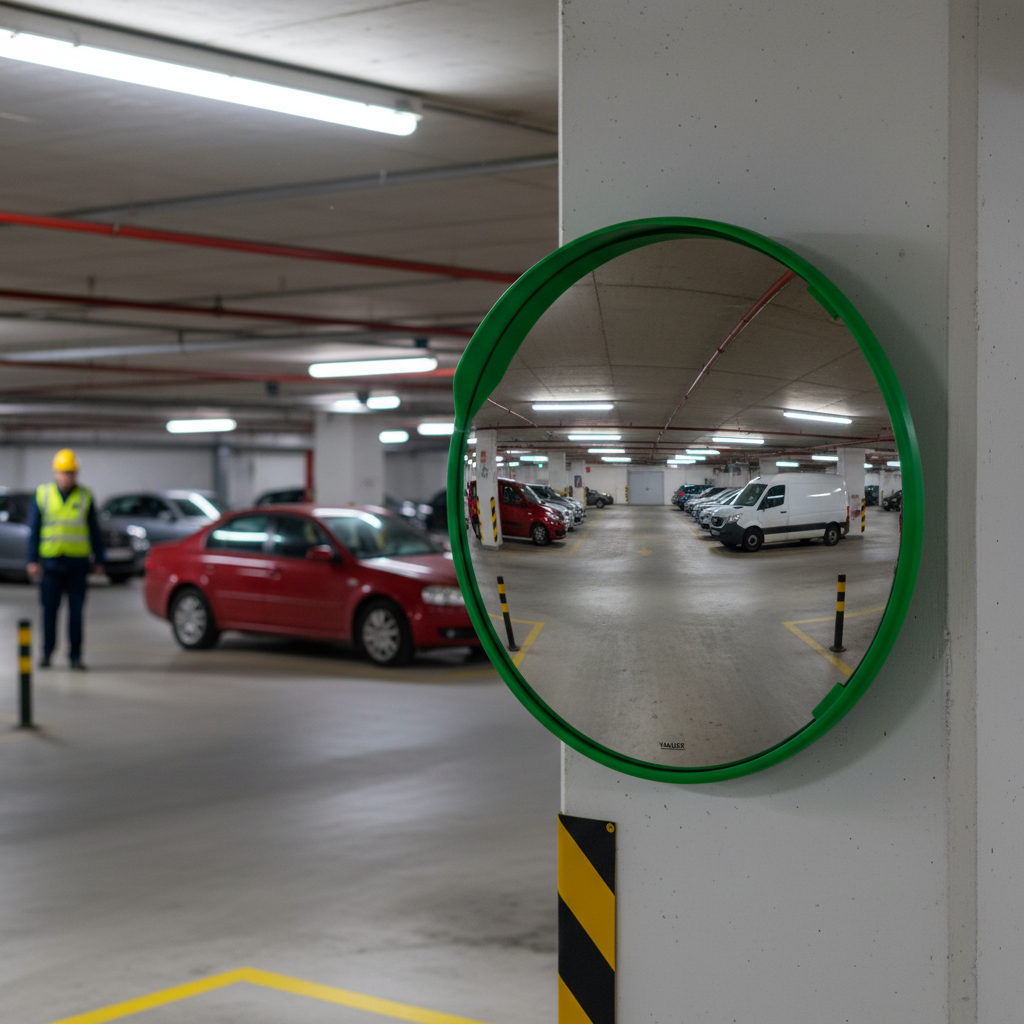
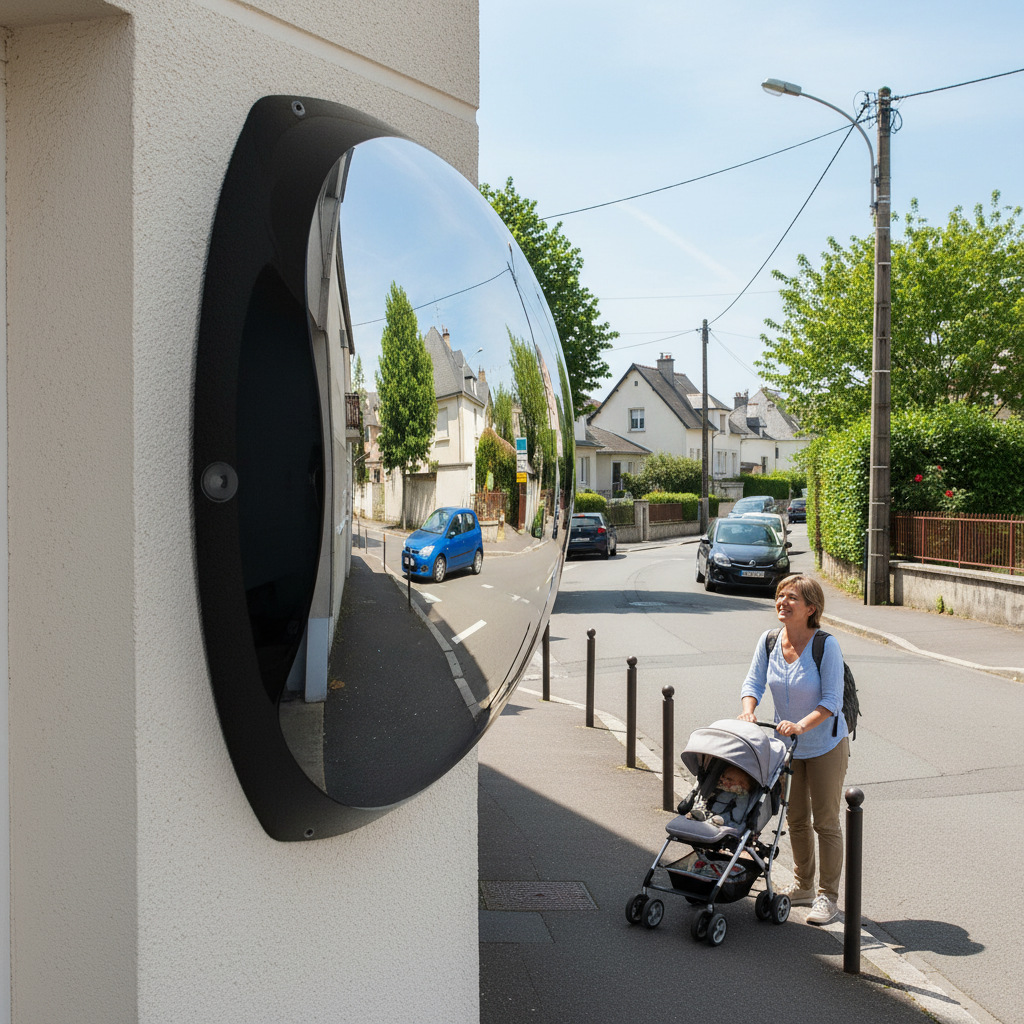
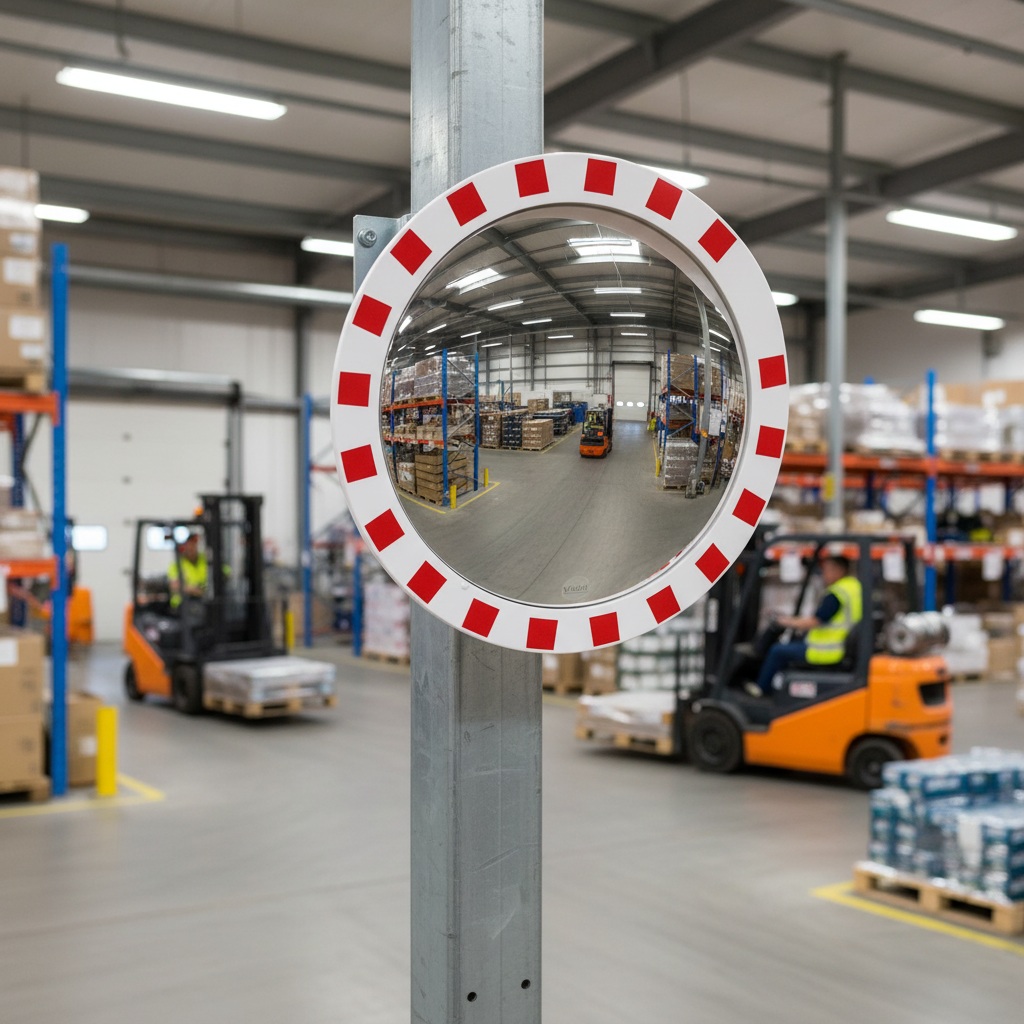
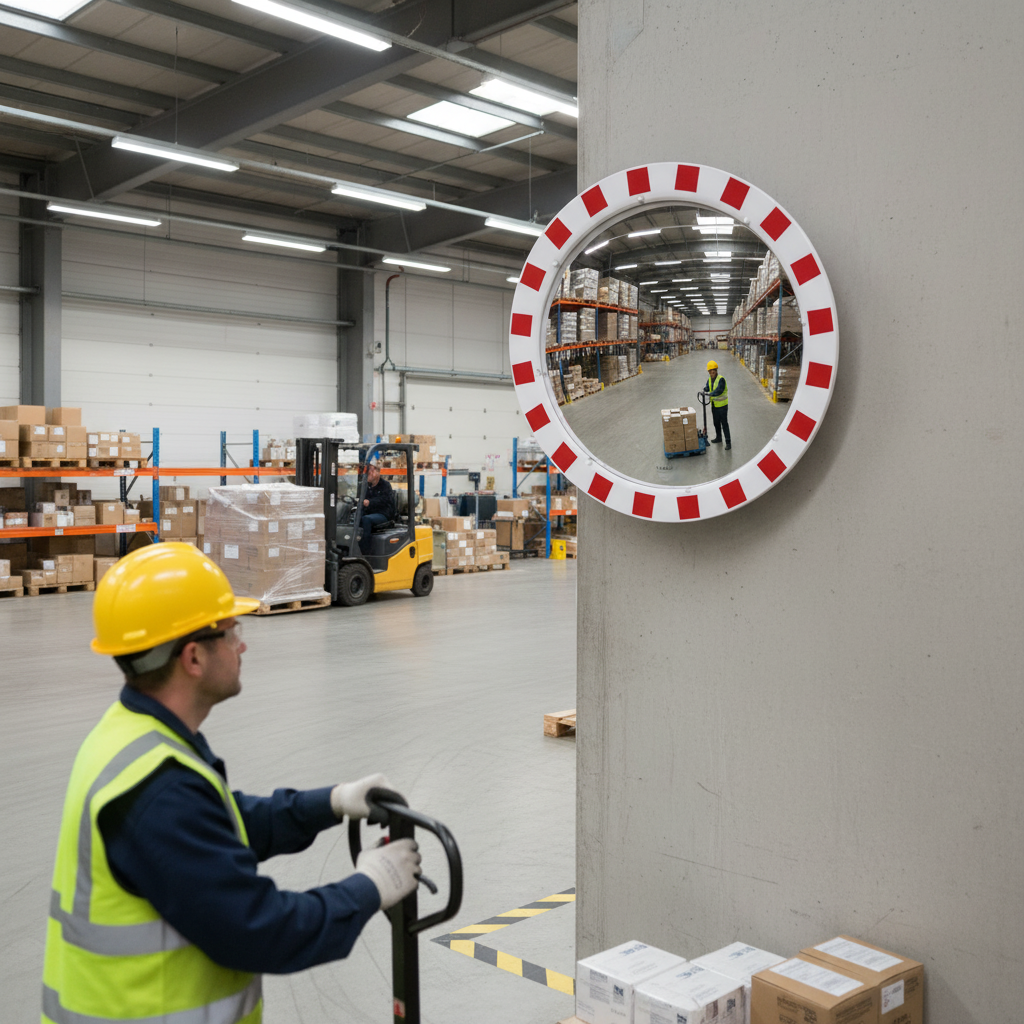
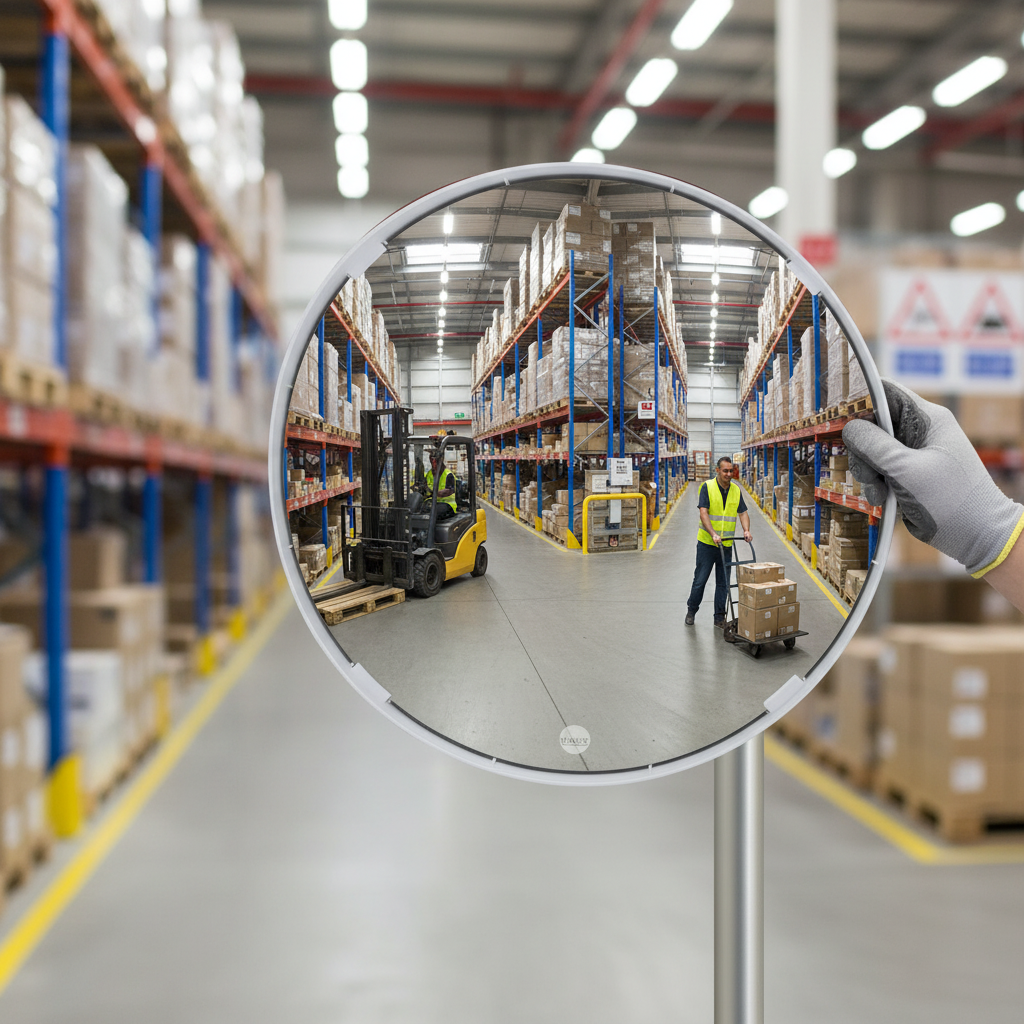
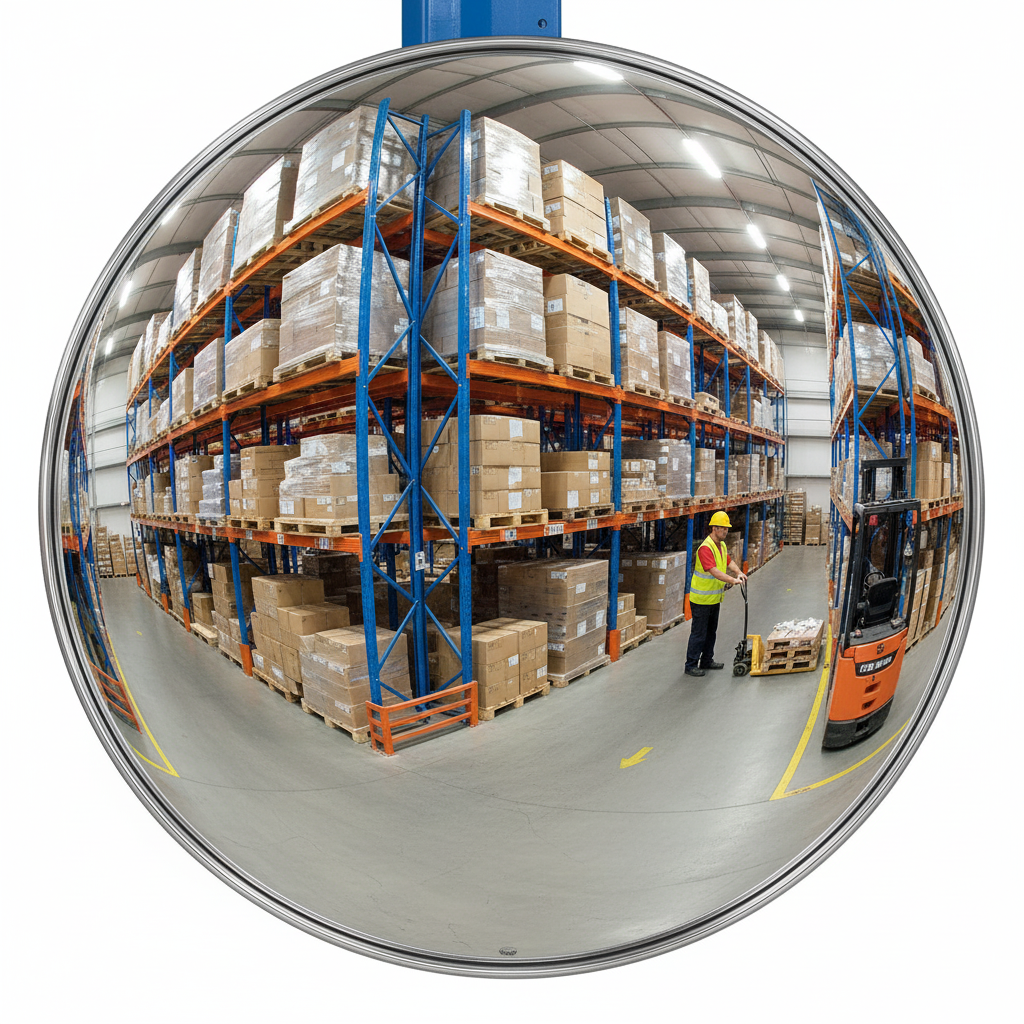
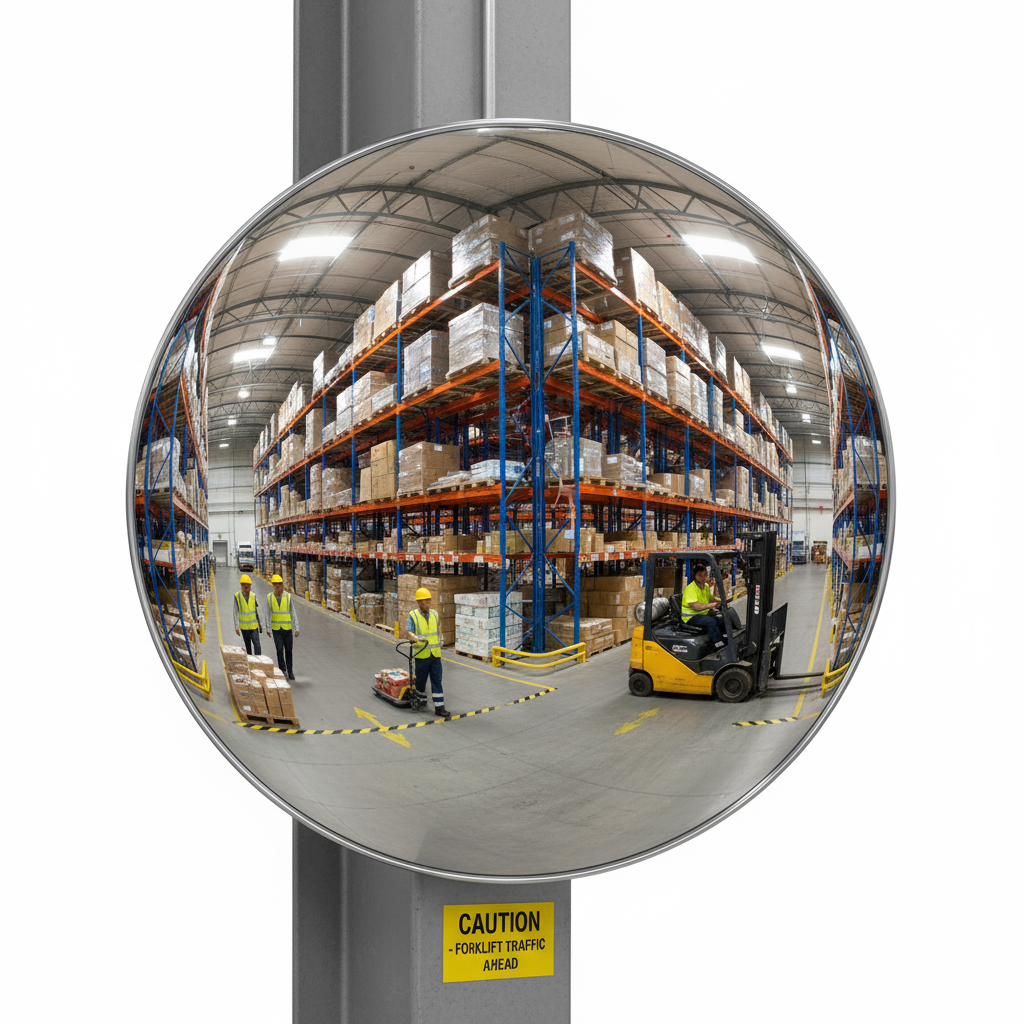
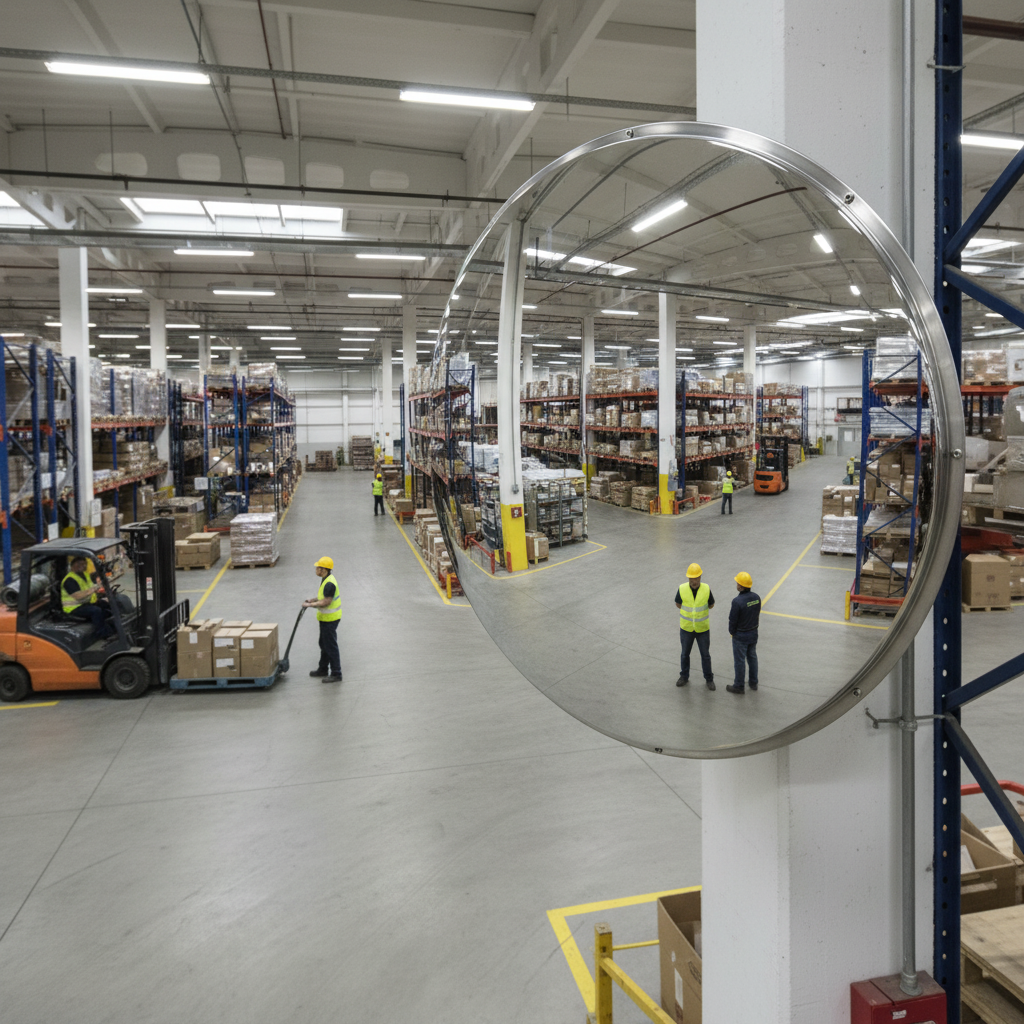
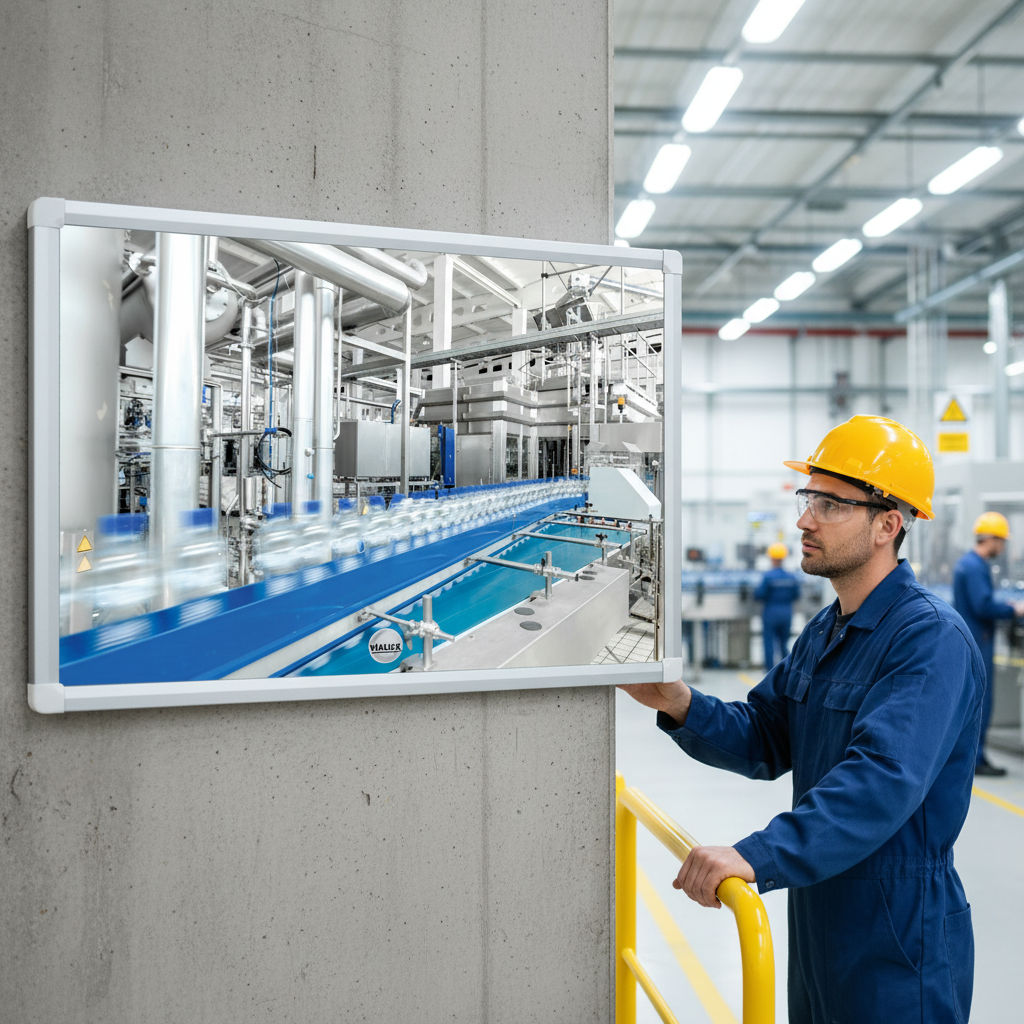
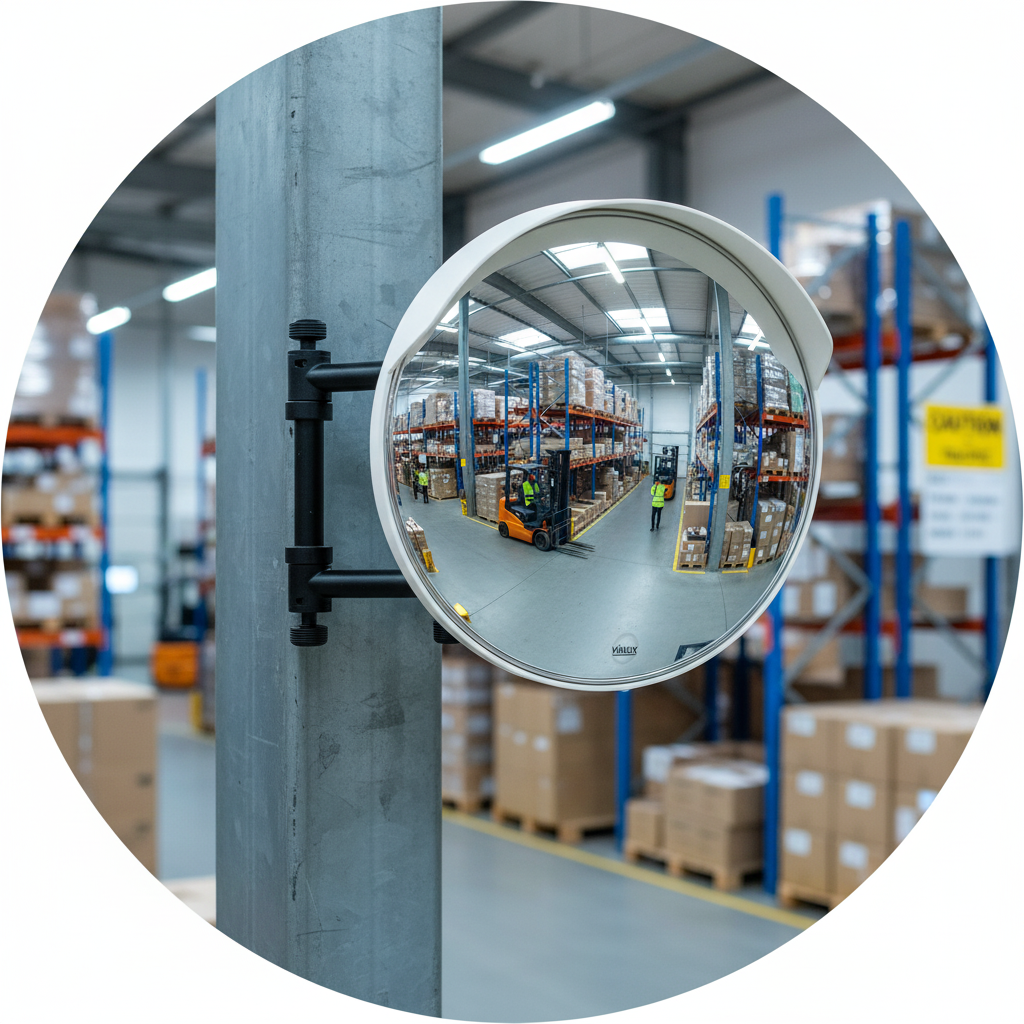
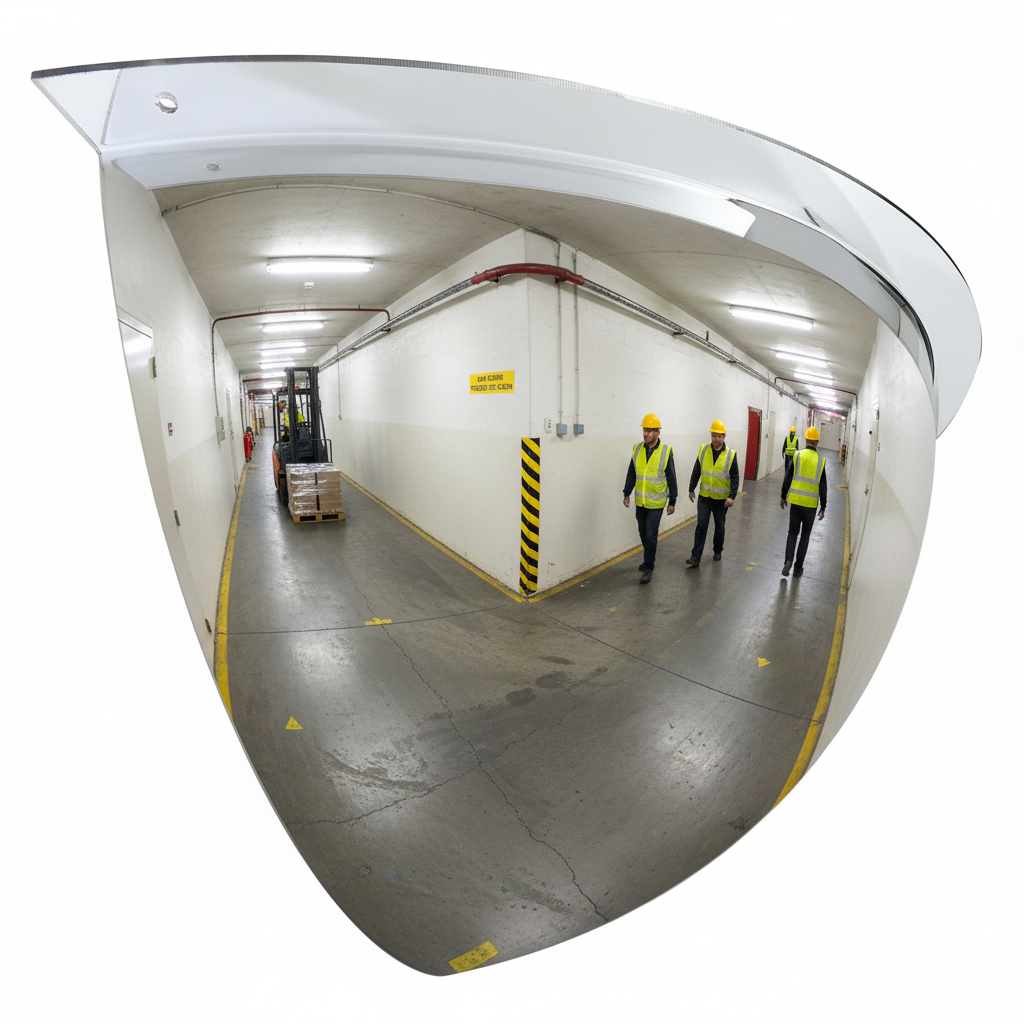
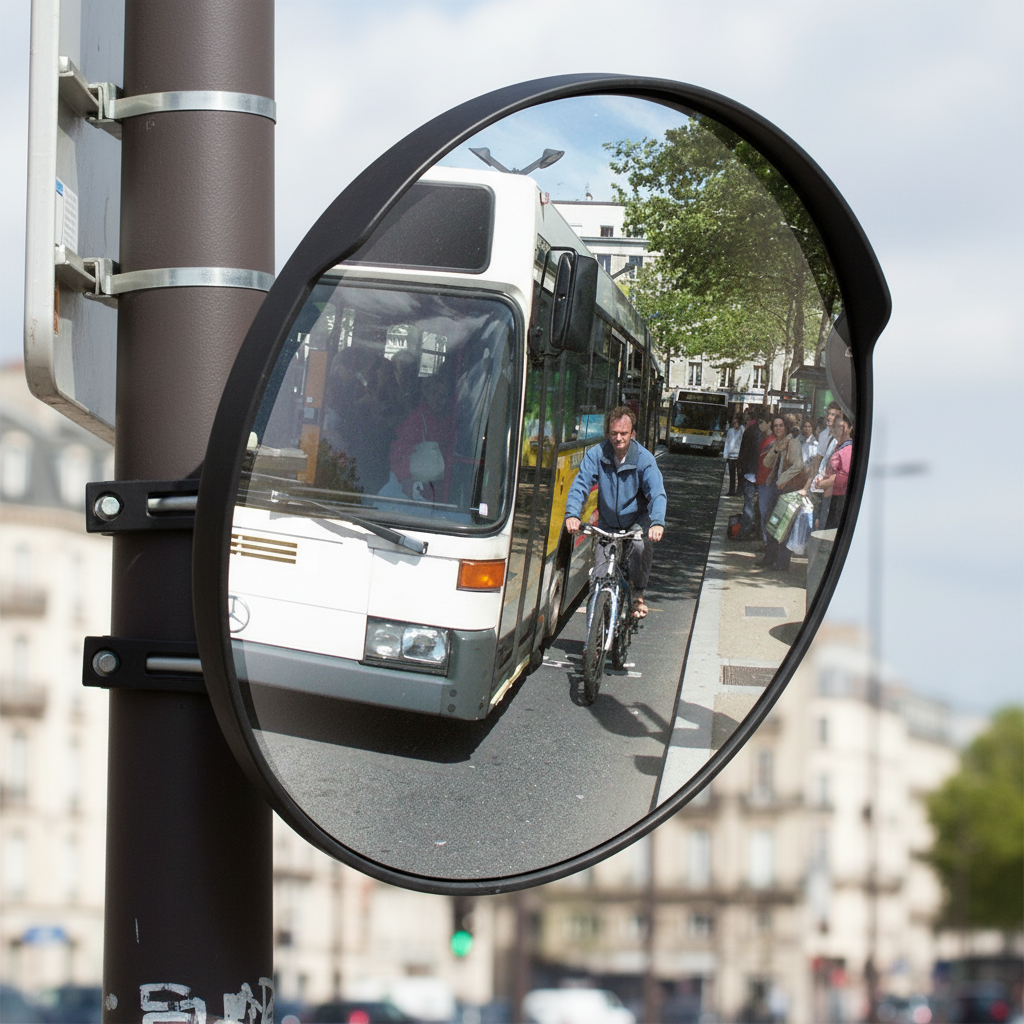
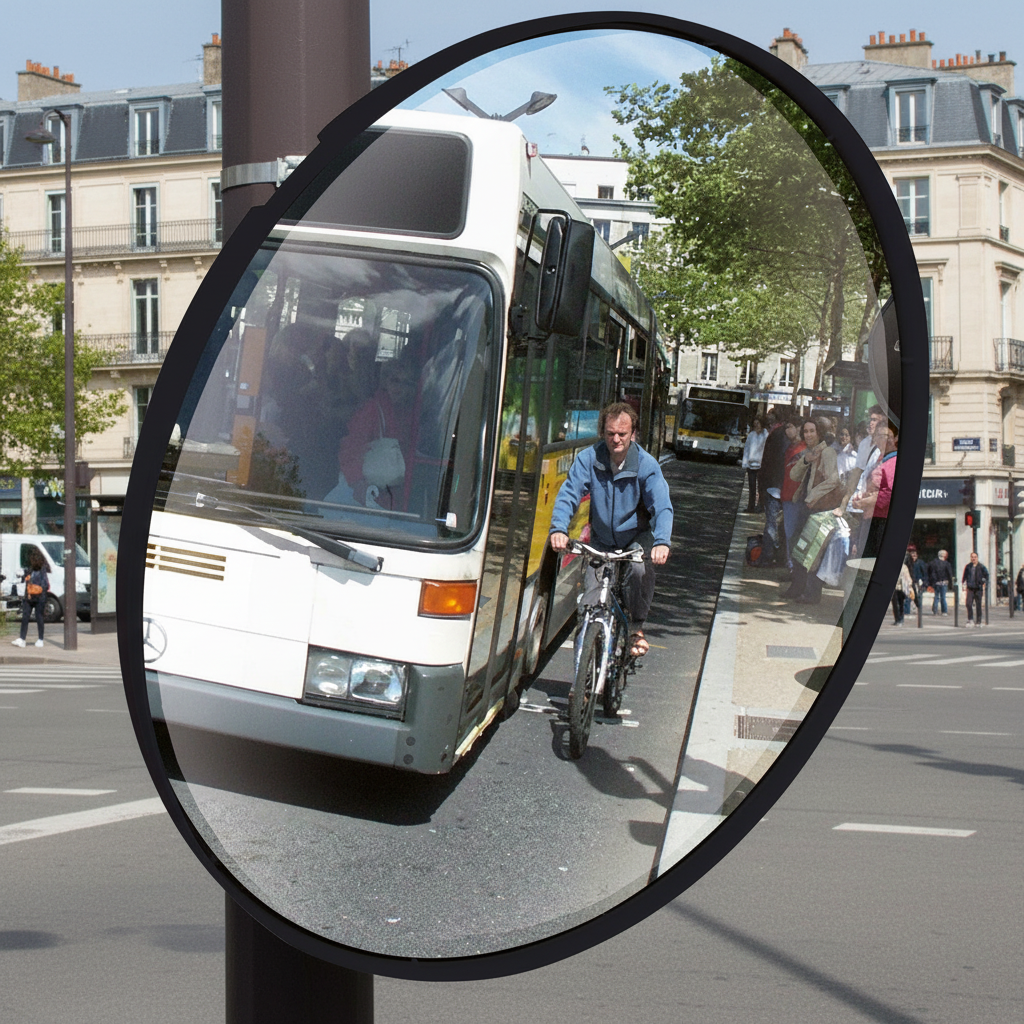
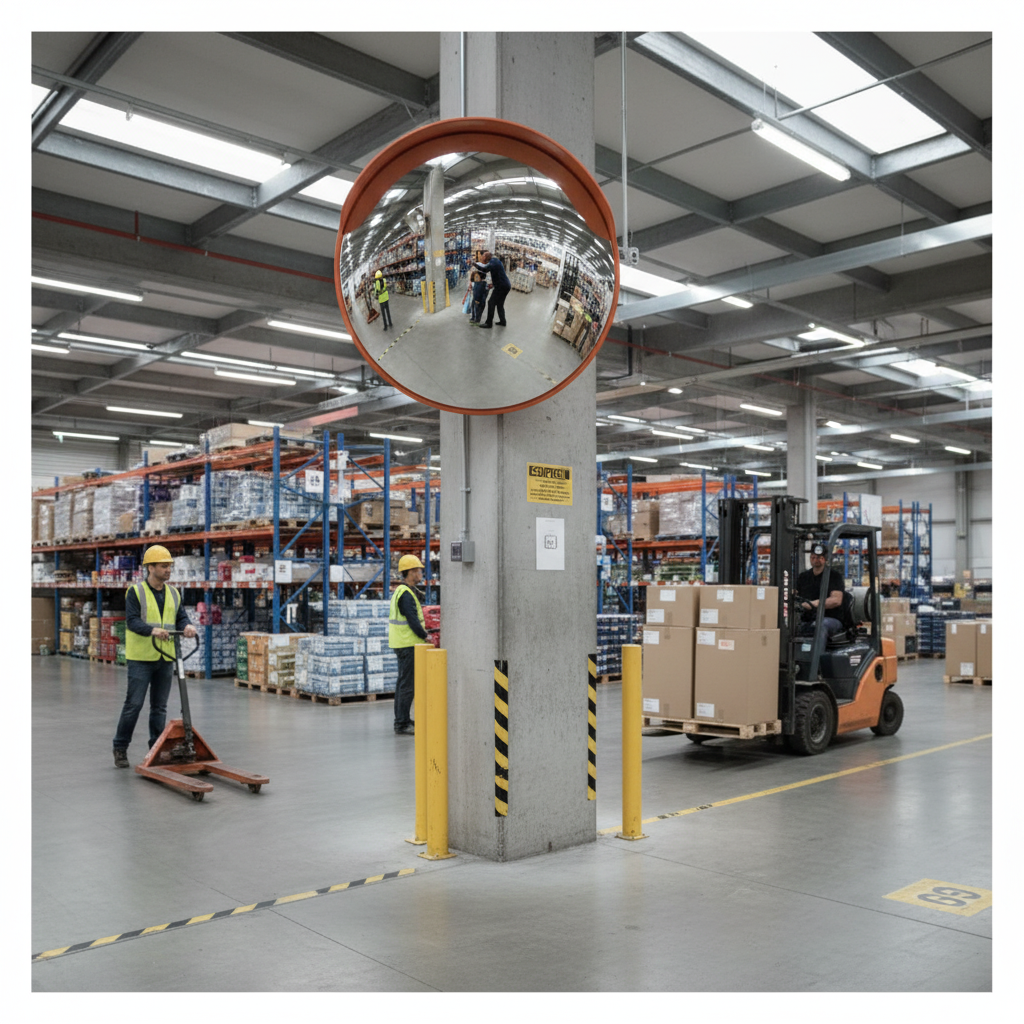
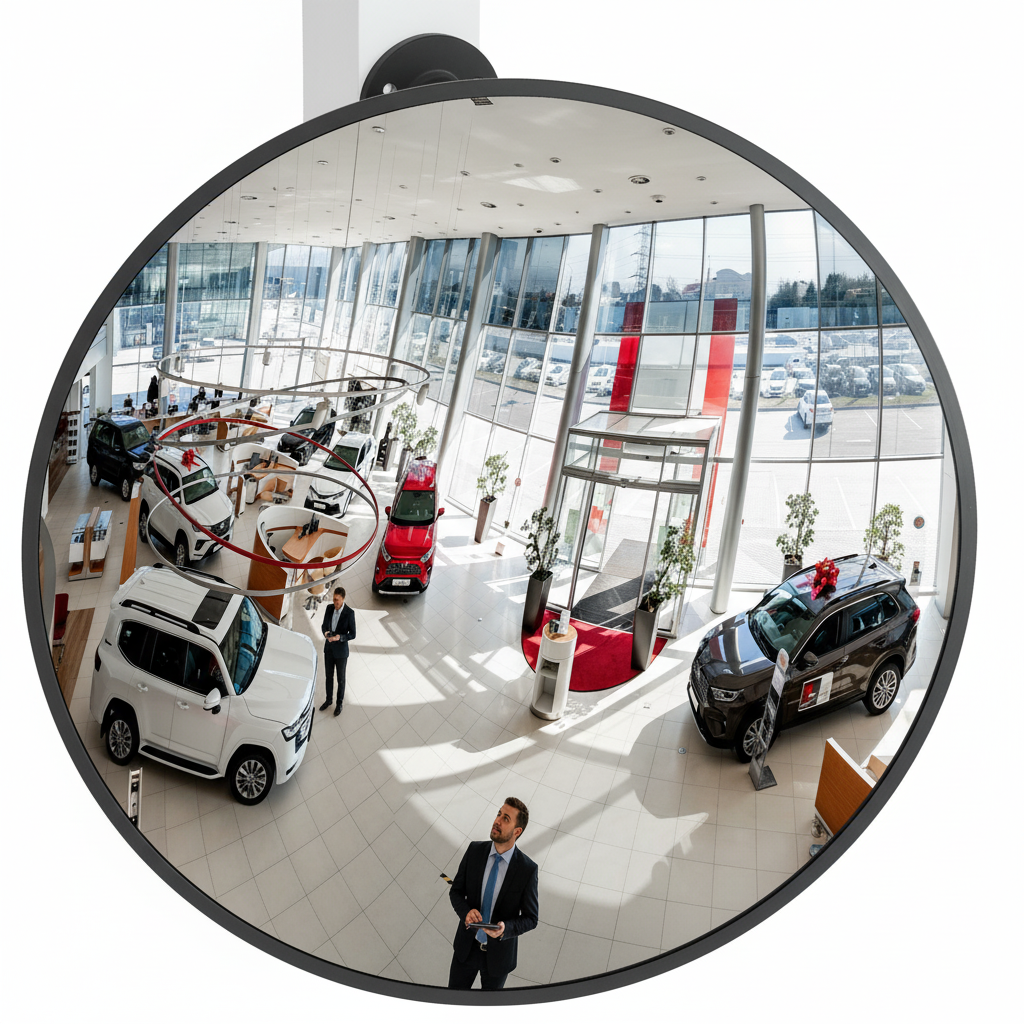
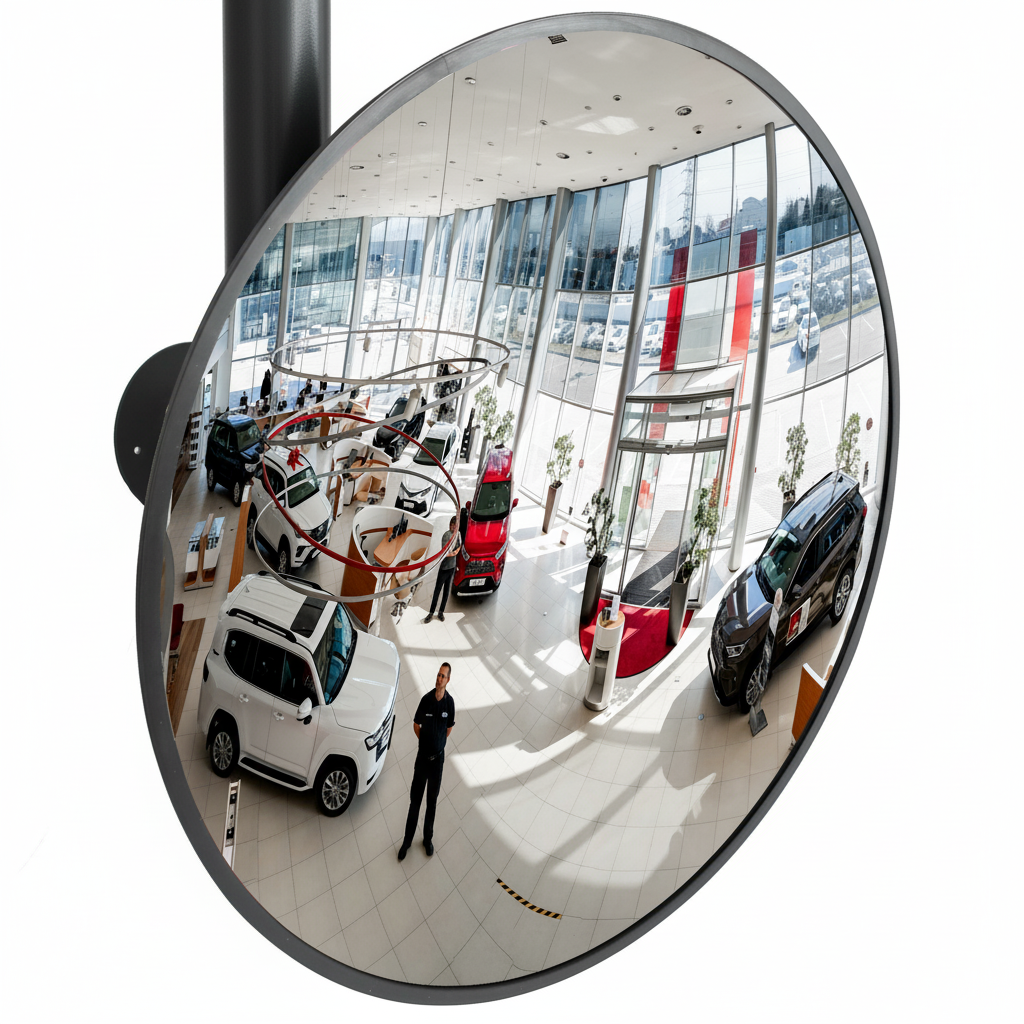
The most versatile format. Circular convex mirrors mount to walls, columns, or ceilings and provide a wide-angle view of adjacent corridors, aisles, and rooms. The convex curvature expands the field of view significantly beyond what a flat mirror could provide. Used extensively in retail, office buildings, car parks, hospitals, and schools.
Dome Mirrors (Full & Half)
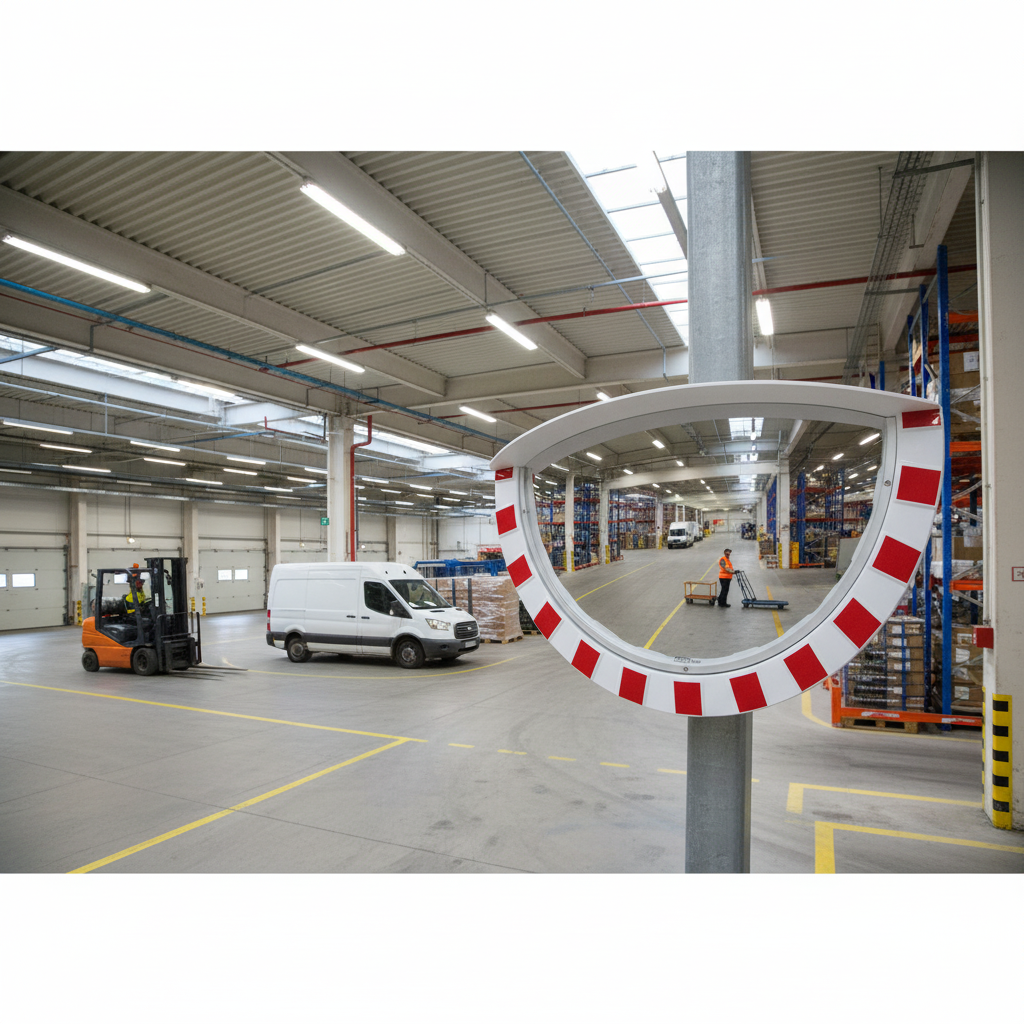
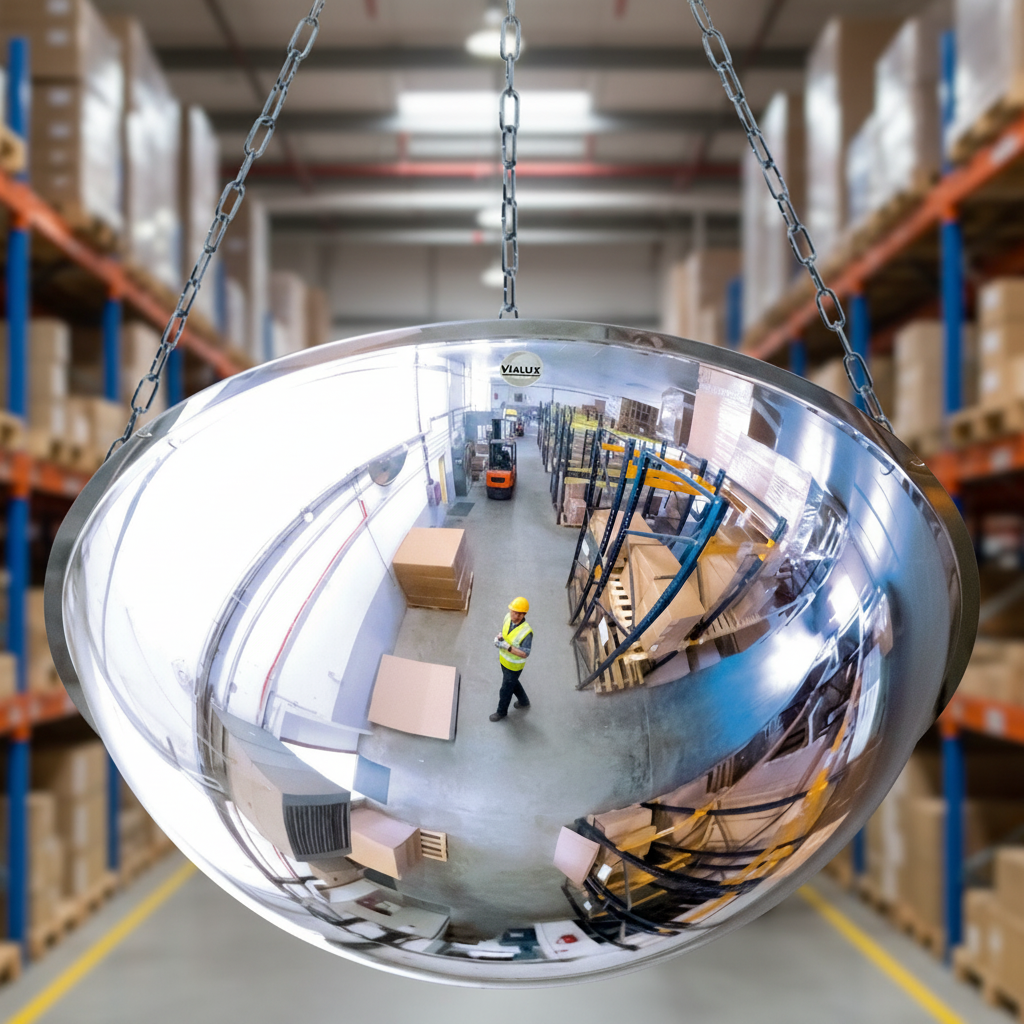
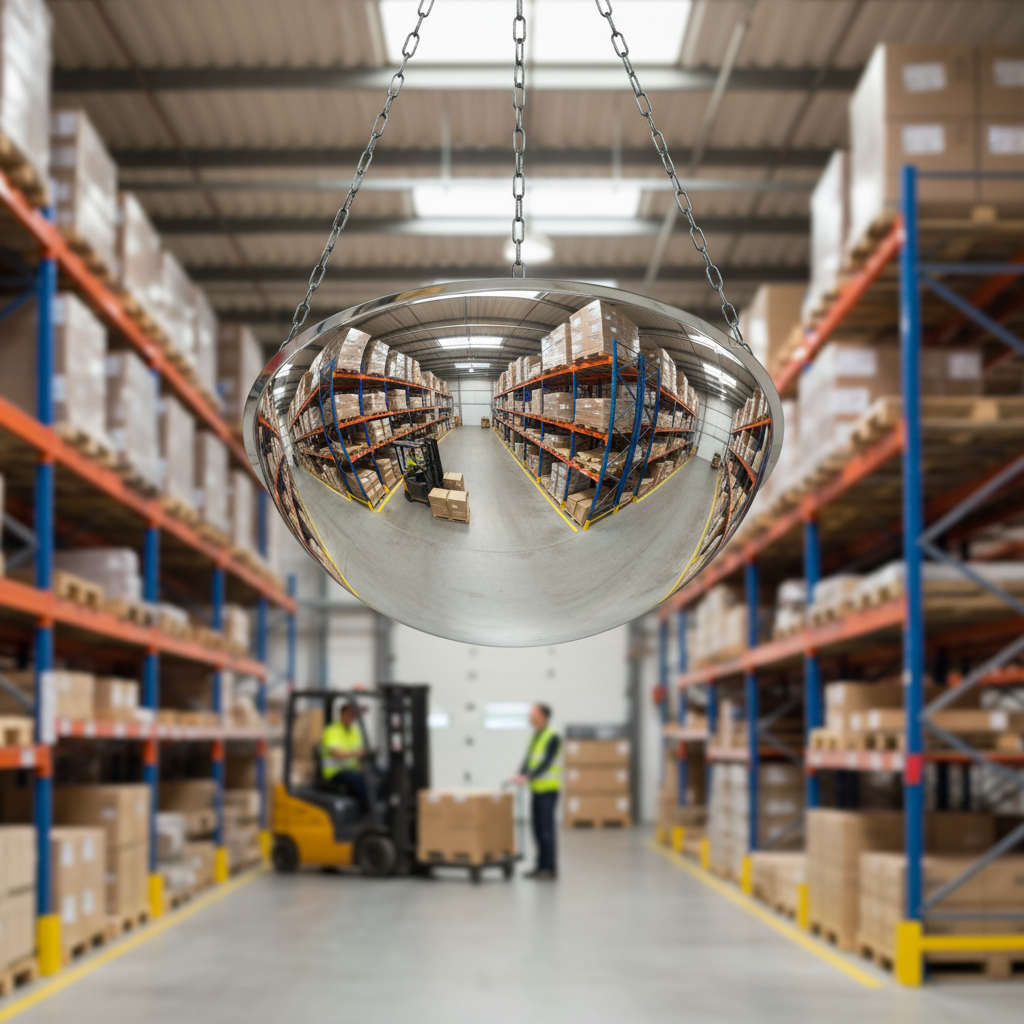
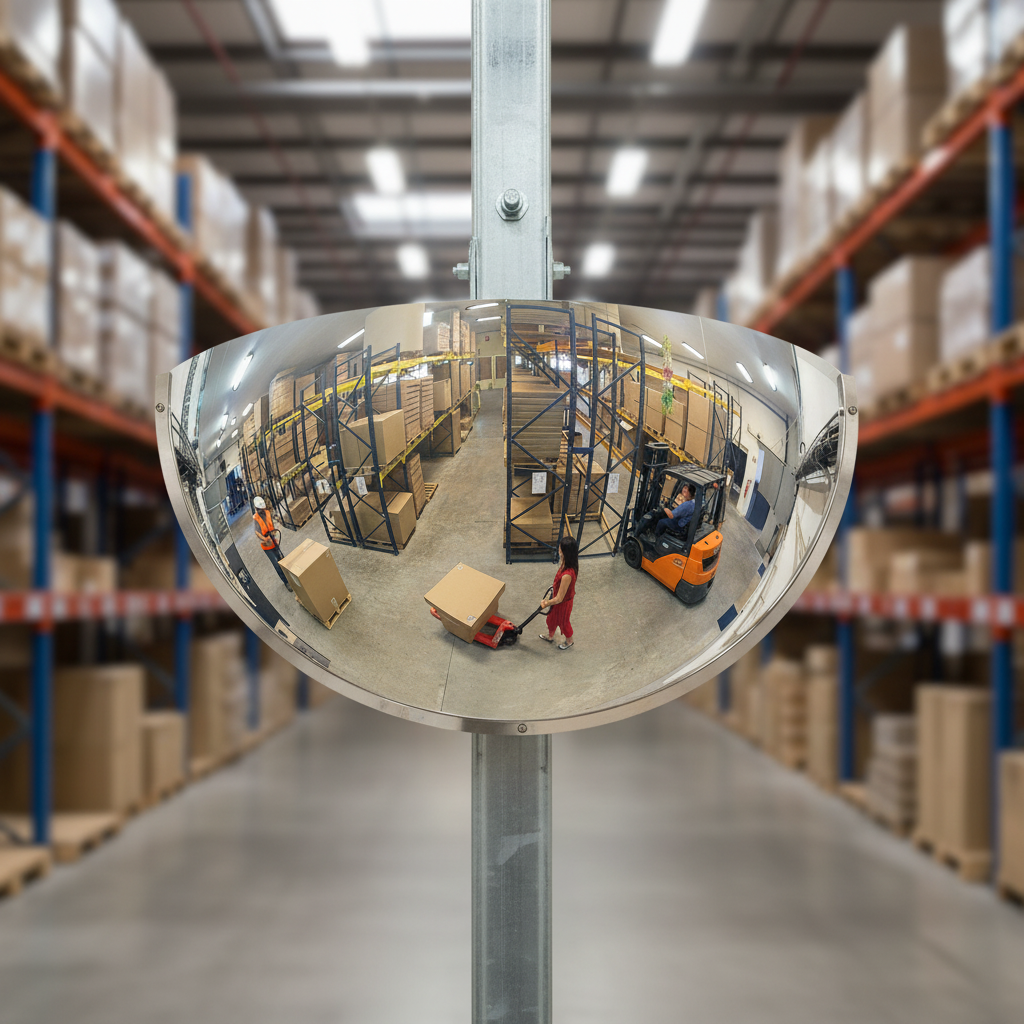
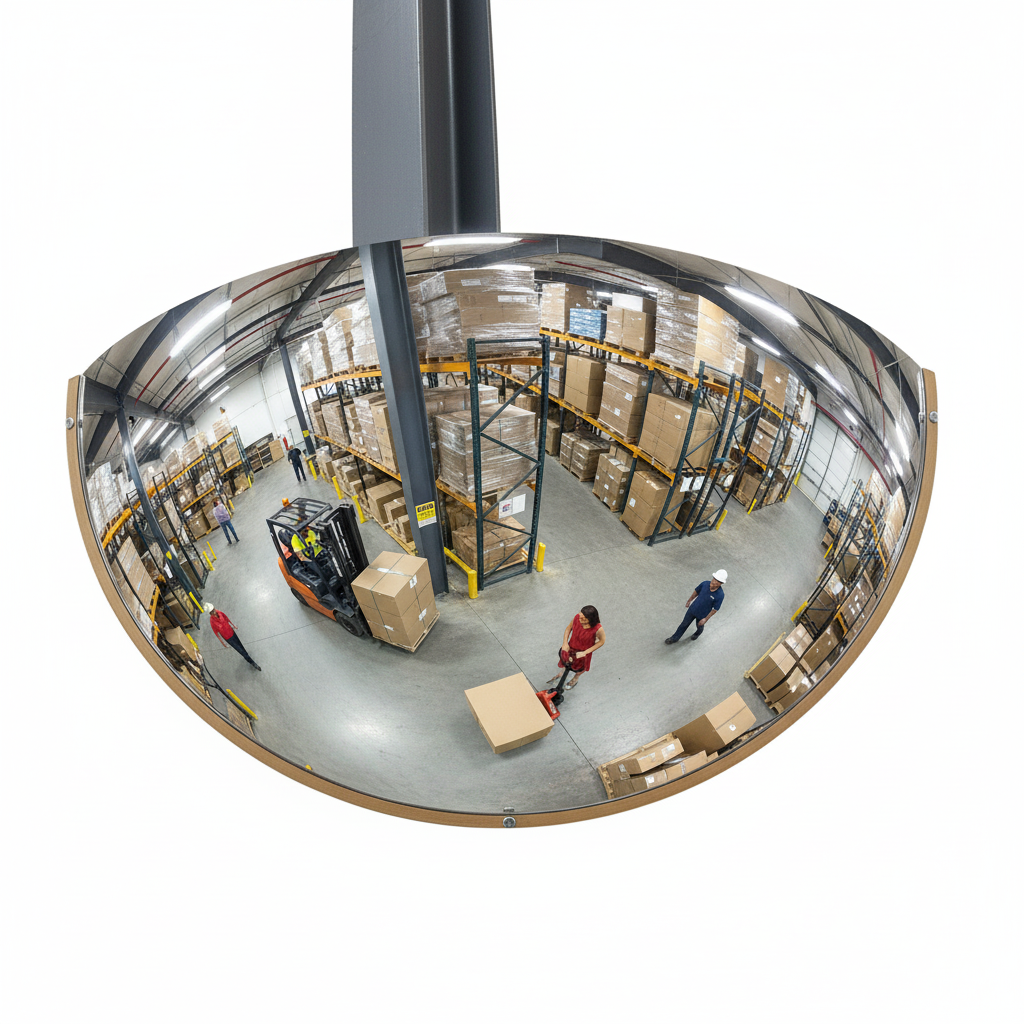
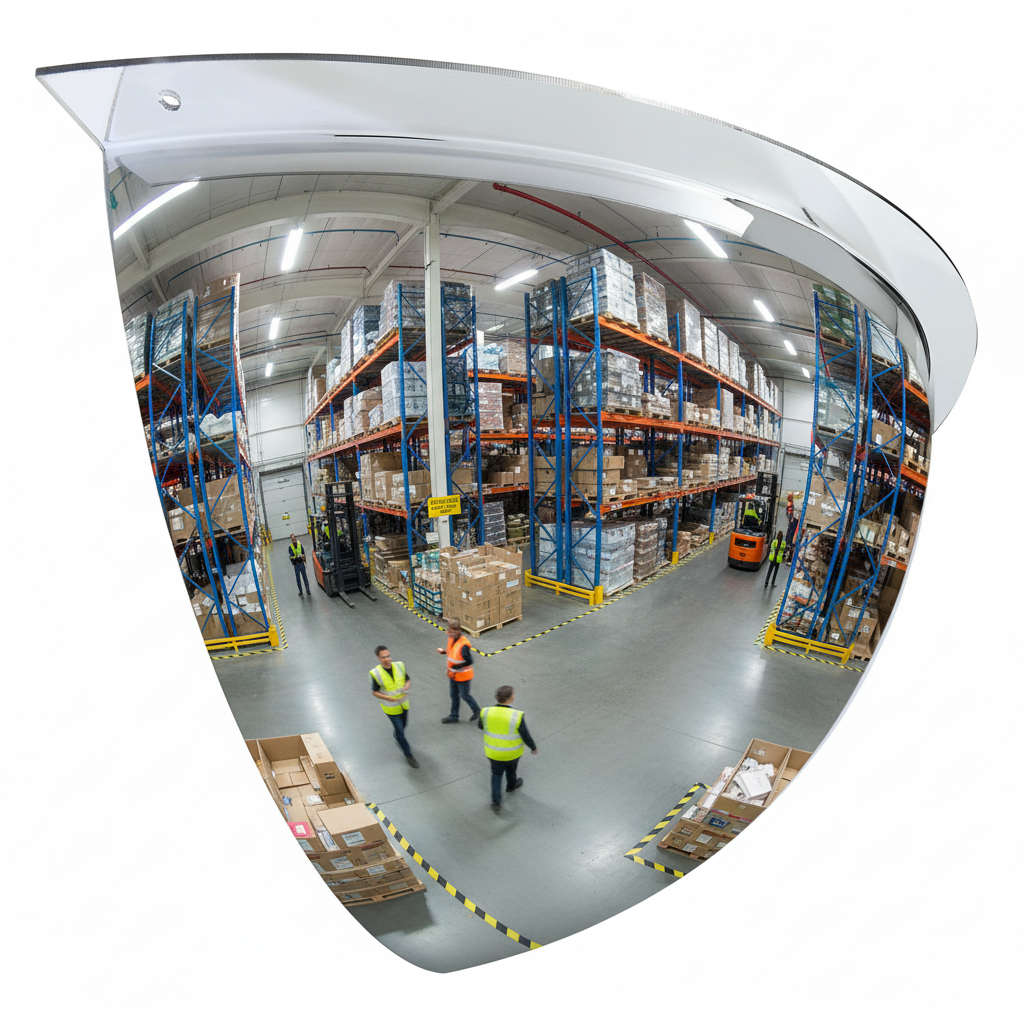
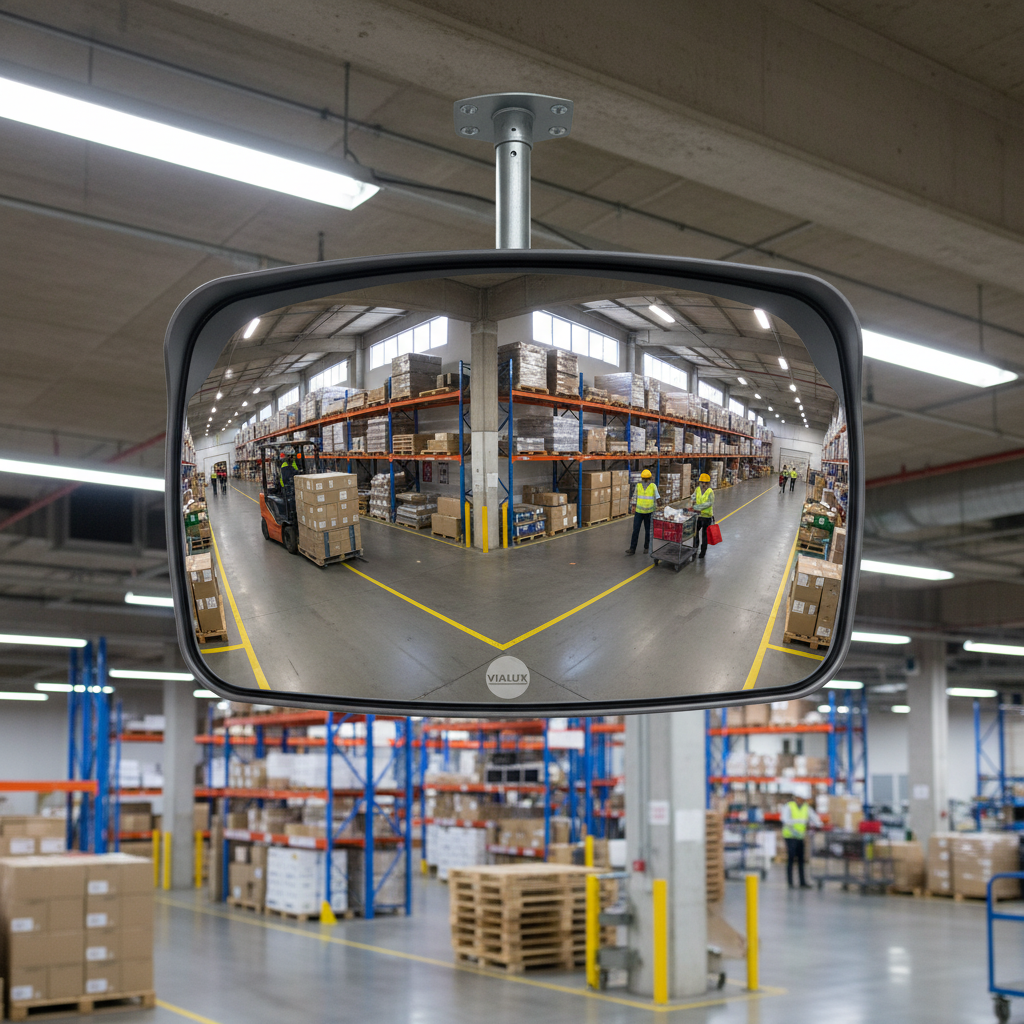
Ceiling-mounted dome mirrors are the gold standard for indoor security coverage. A full dome provides 360° visibility — a single unit can monitor an entire room or large intersection. Half-dome mirrors cover 180° and are suited to corners and T-junctions. Common in logistics warehouses, retail stockrooms, and large open-plan spaces.
Anti-Bandit & Vandal-Resistant Mirrors
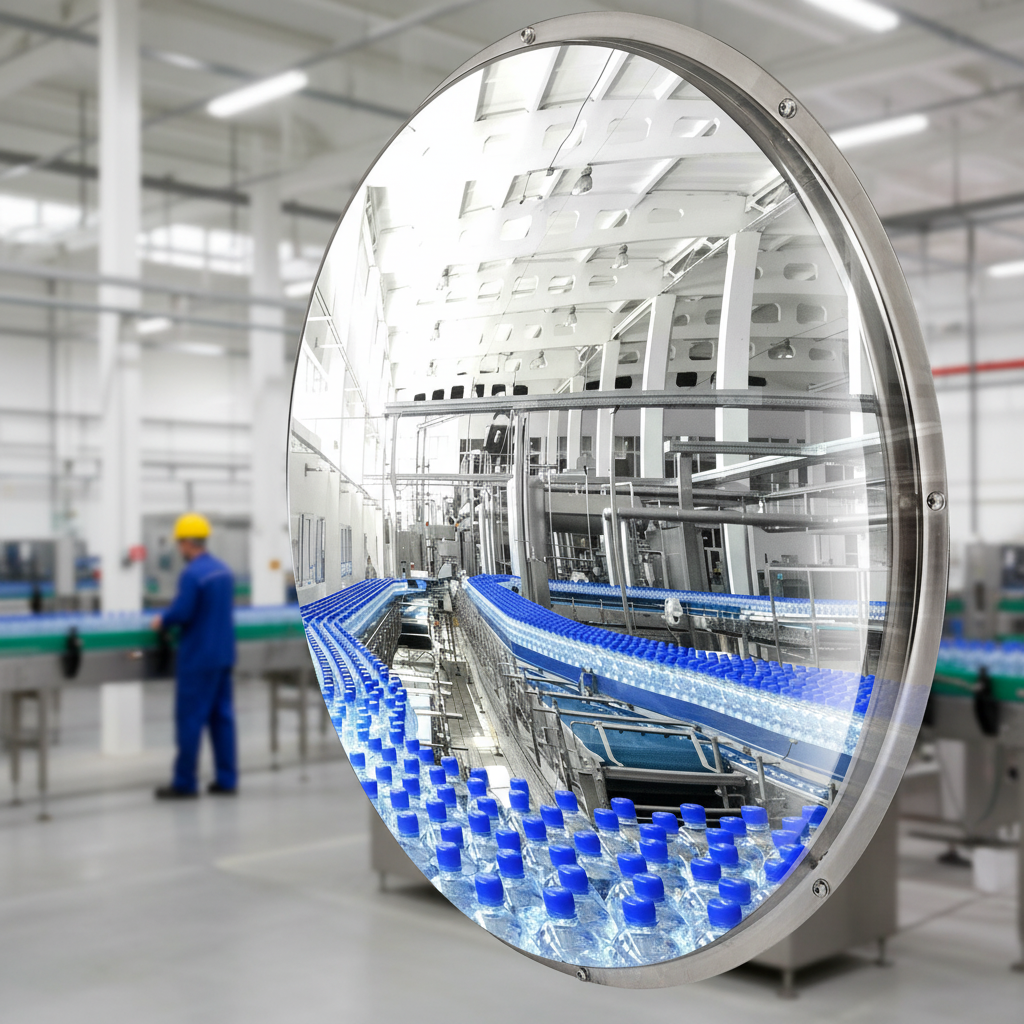
Specified where mirrors are at high risk of deliberate damage. Stainless steel convex mirrors with tamper-proof fixings are the preferred choice for public transport environments, correctional facilities, and public lavatories. Polycarbonate mirrors offer a mid-range solution — shatterproof and resistant to impact and chemical attack.
Two-Way Mirrors
Used in loss prevention rooms and monitoring stations, two-way (one-way) mirrors allow discreet observation of a space without the observed party being aware. Strictly governed by data protection and surveillance legislation — always consult a legal professional before installation.
Inspection Mirrors
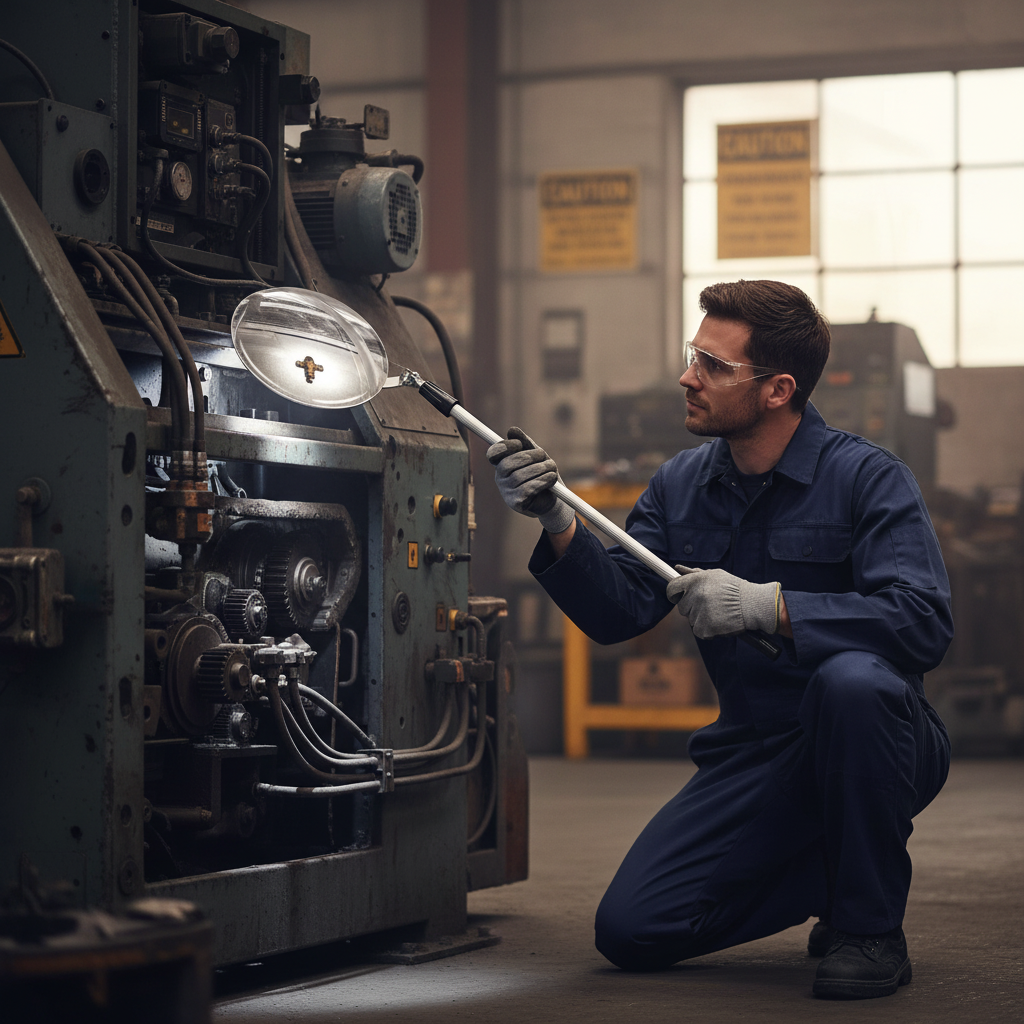
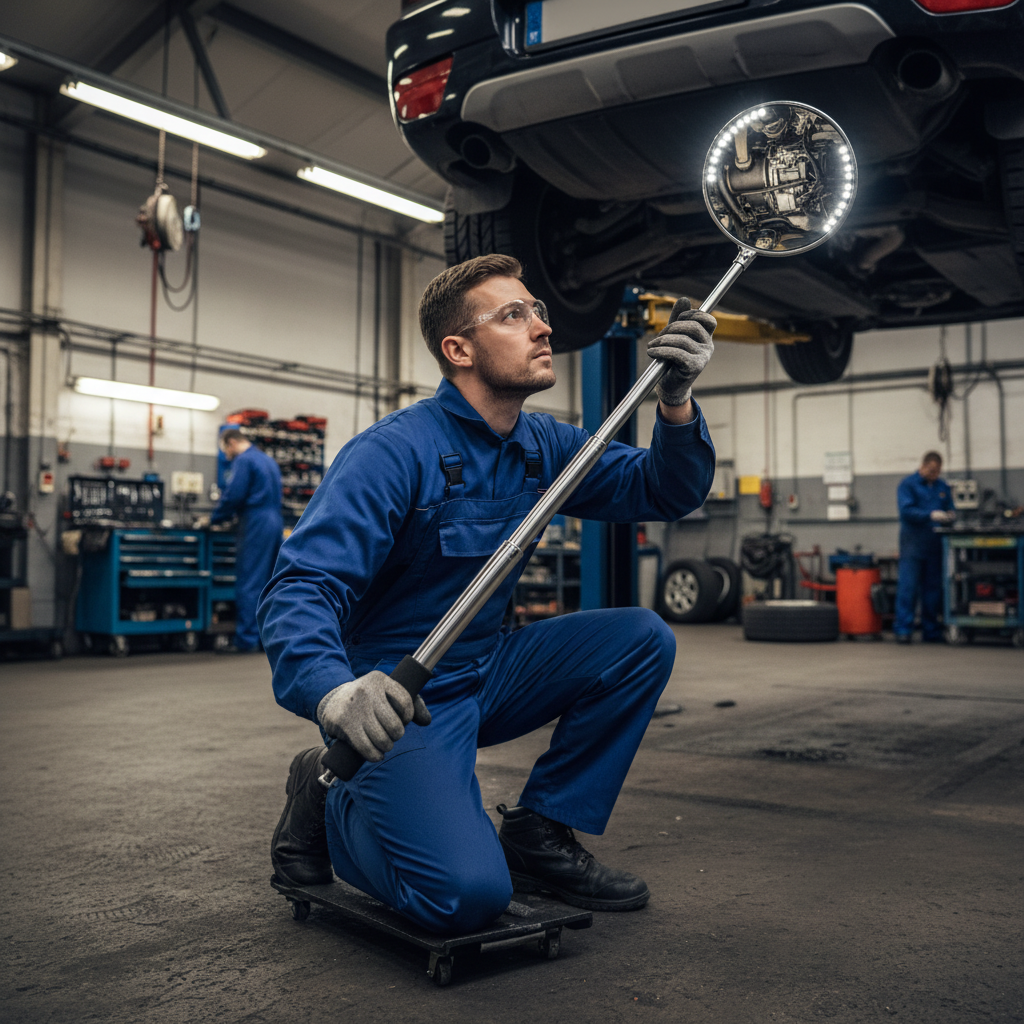
Portable or fixed small-format mirrors used for security screening under vehicles, in confined spaces, and for maintenance inspection. Telescopic inspection mirrors are standard equipment for security personnel and building maintenance teams.
Key Technical Specifications
- Sizes: 150mm to 1200mm diameter; bespoke rectangular formats available
- Materials: Acrylic (PMMA), polycarbonate, stainless steel
- Frame: ABS plastic, aluminium, or stainless steel depending on grade
- Field of view: Up to 130° (convex); 360° (full dome)
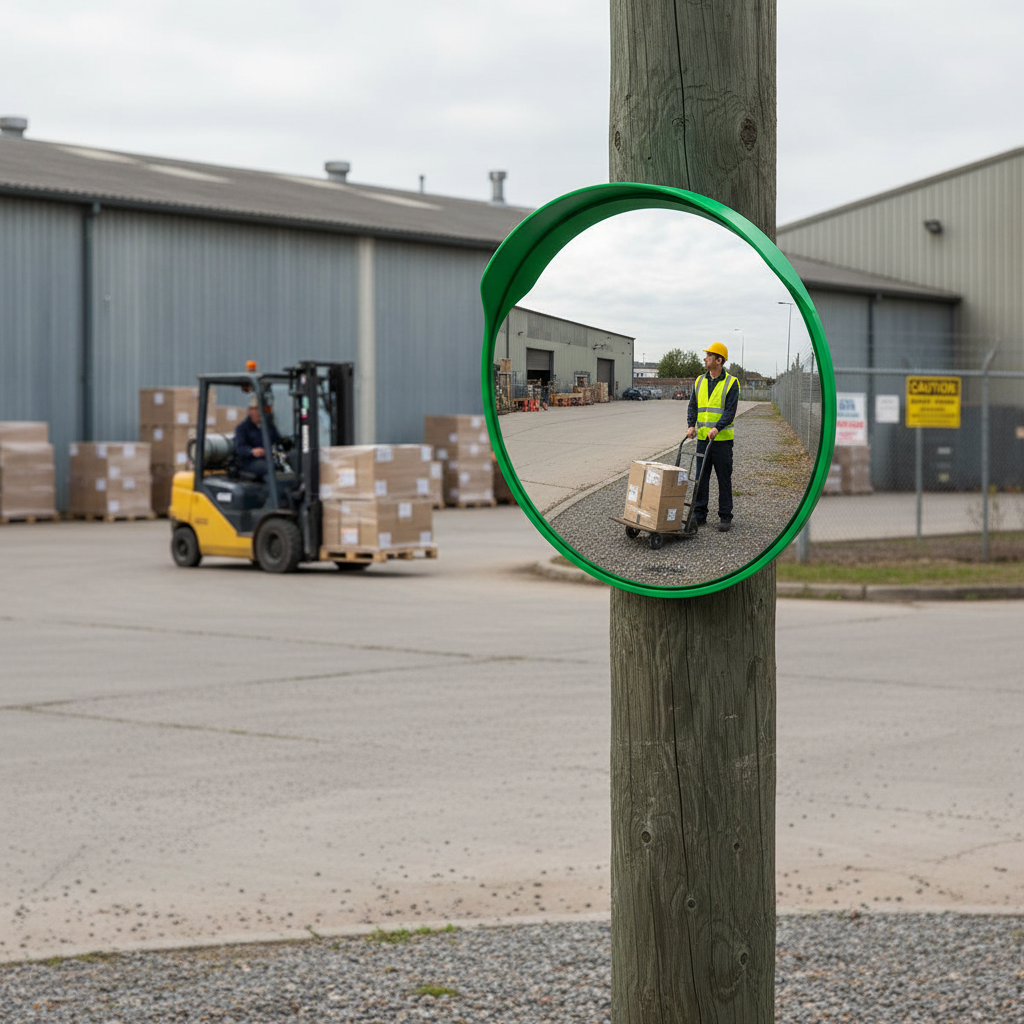
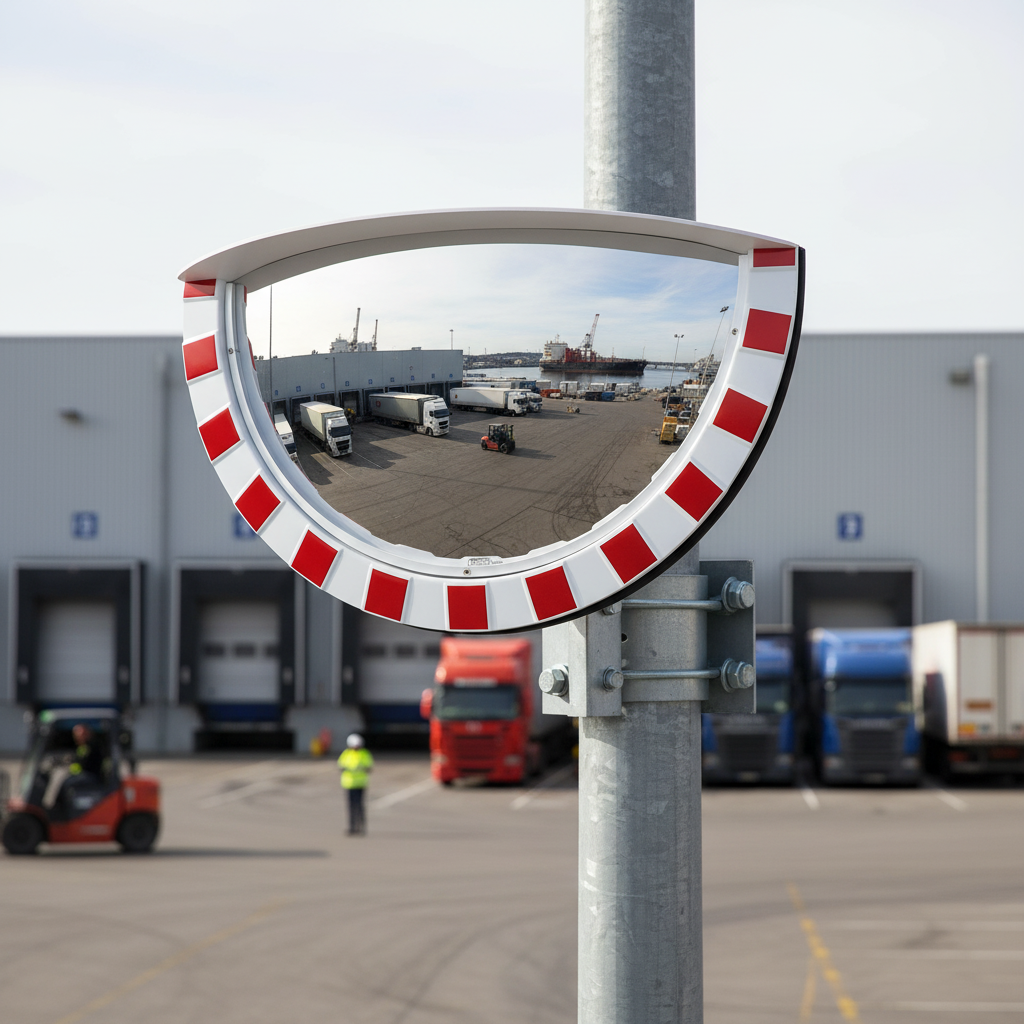
- Mounting options: Wall bracket (adjustable), ceiling mount, corner mount, post mount
- Indoor/Outdoor rating: Varies by model — fully weatherproof options available for external use
- Vandal resistance: Stainless steel models with tamper-proof Torx fixings available
- Compliance: CE marked; relevant models certified to EN ISO standards
Selecting the Right Mirror for Your Application
- Retail shop floor / stockroom: 300–600mm convex wall mirrors or half-dome ceiling mirrors at key sightlines
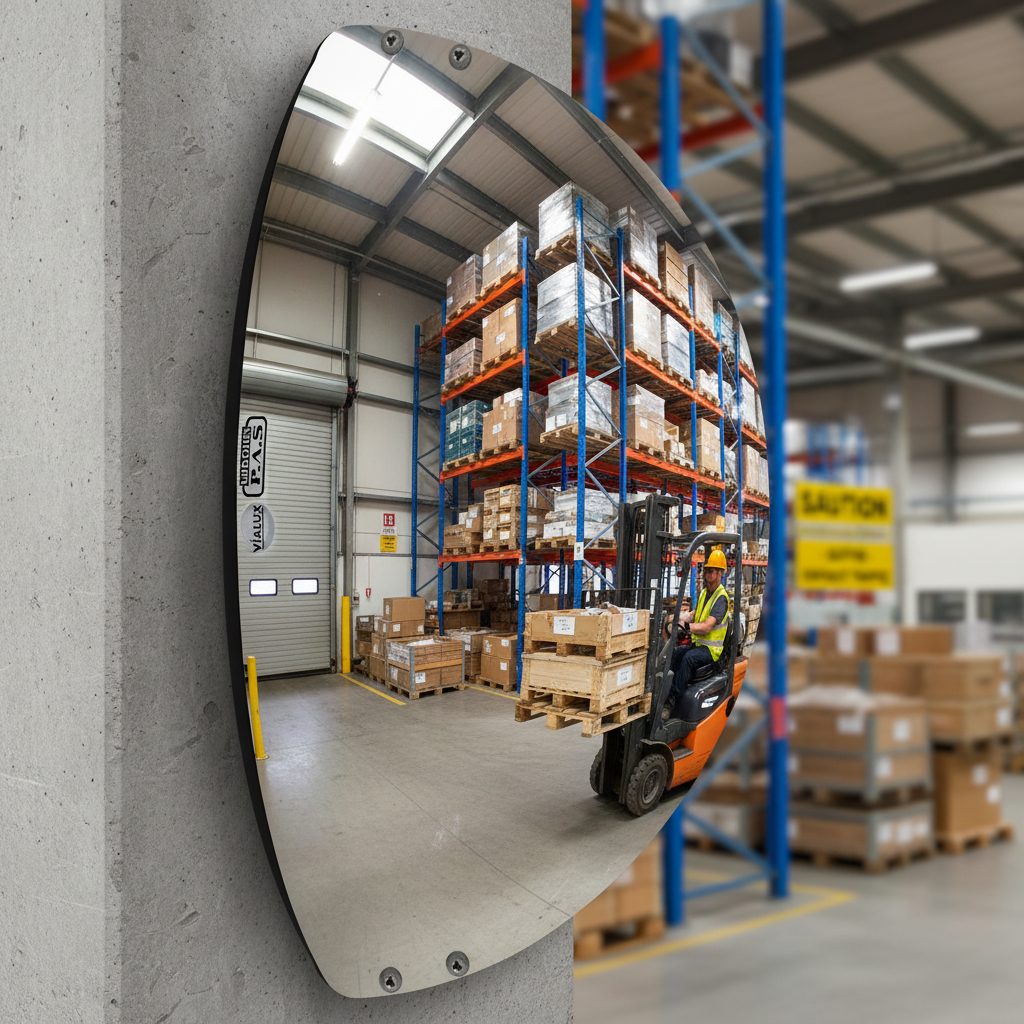
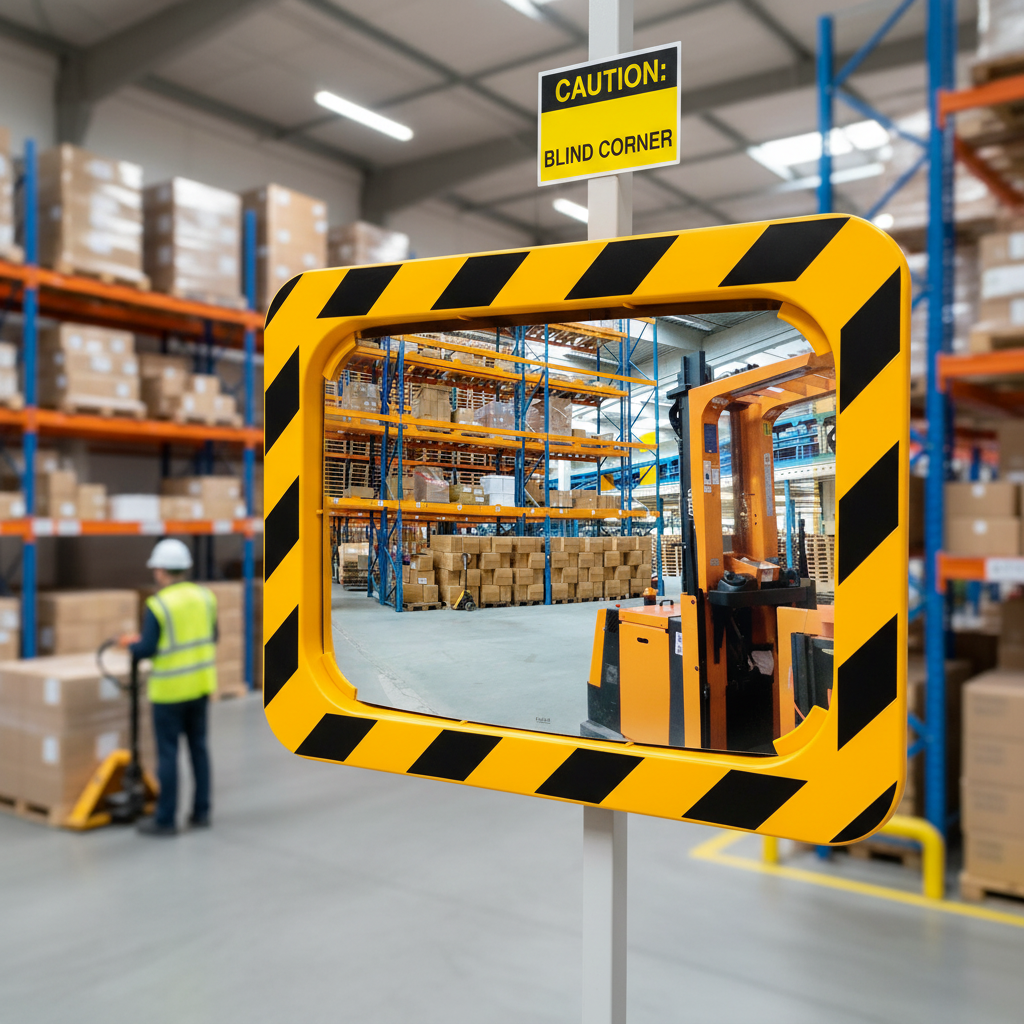
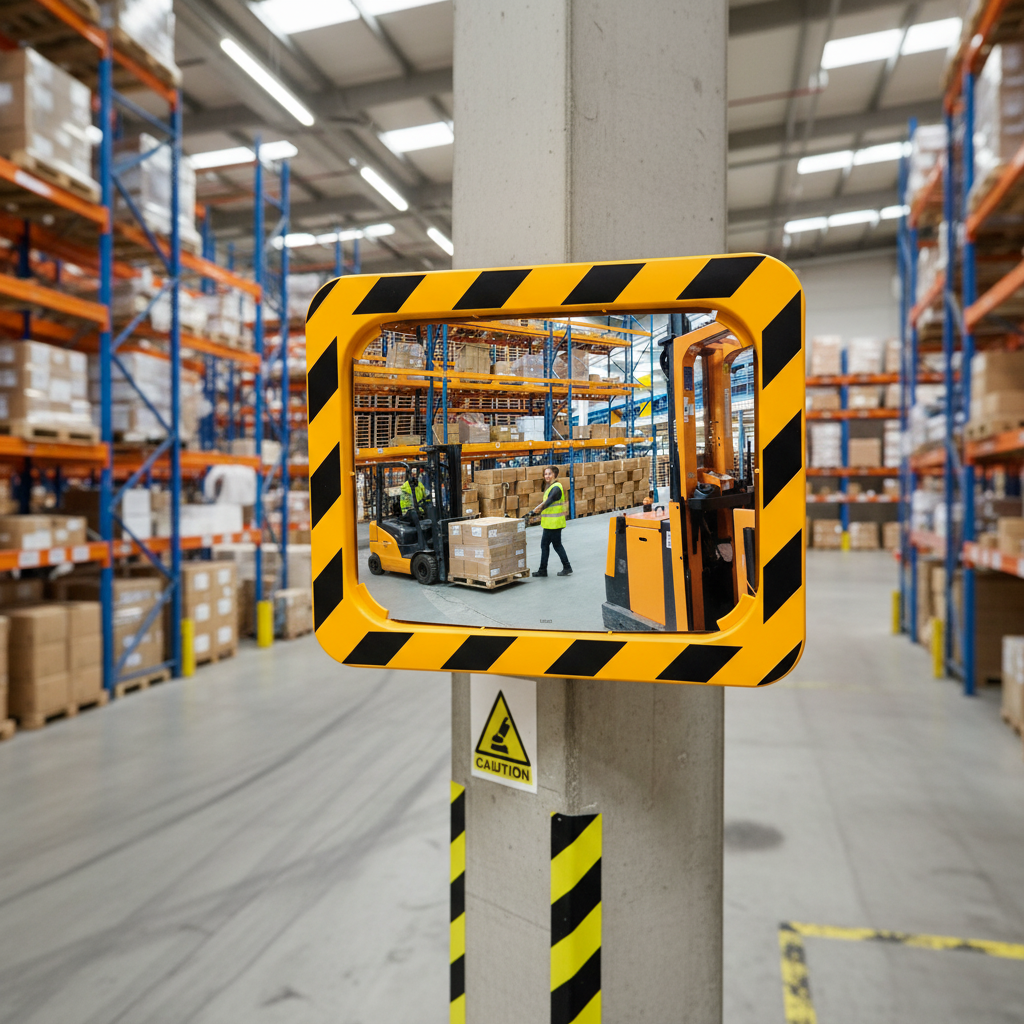
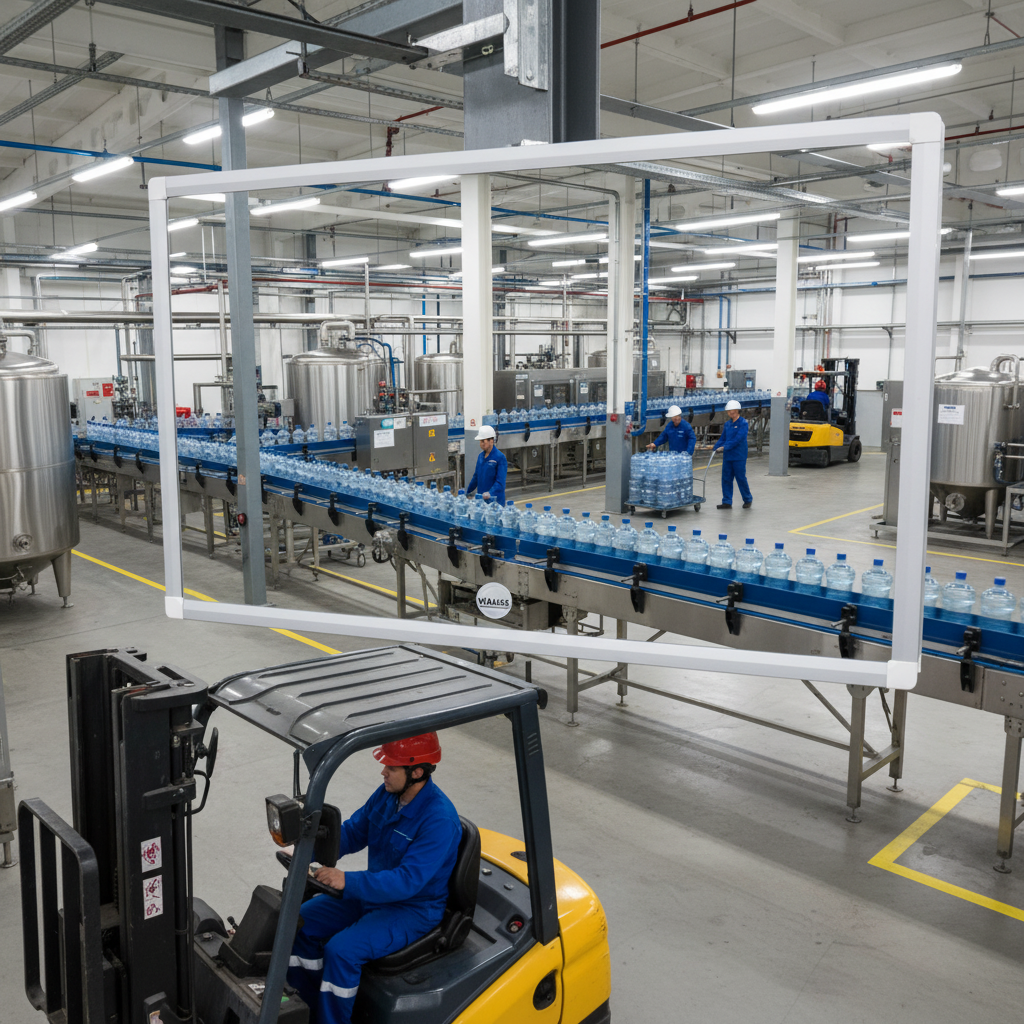
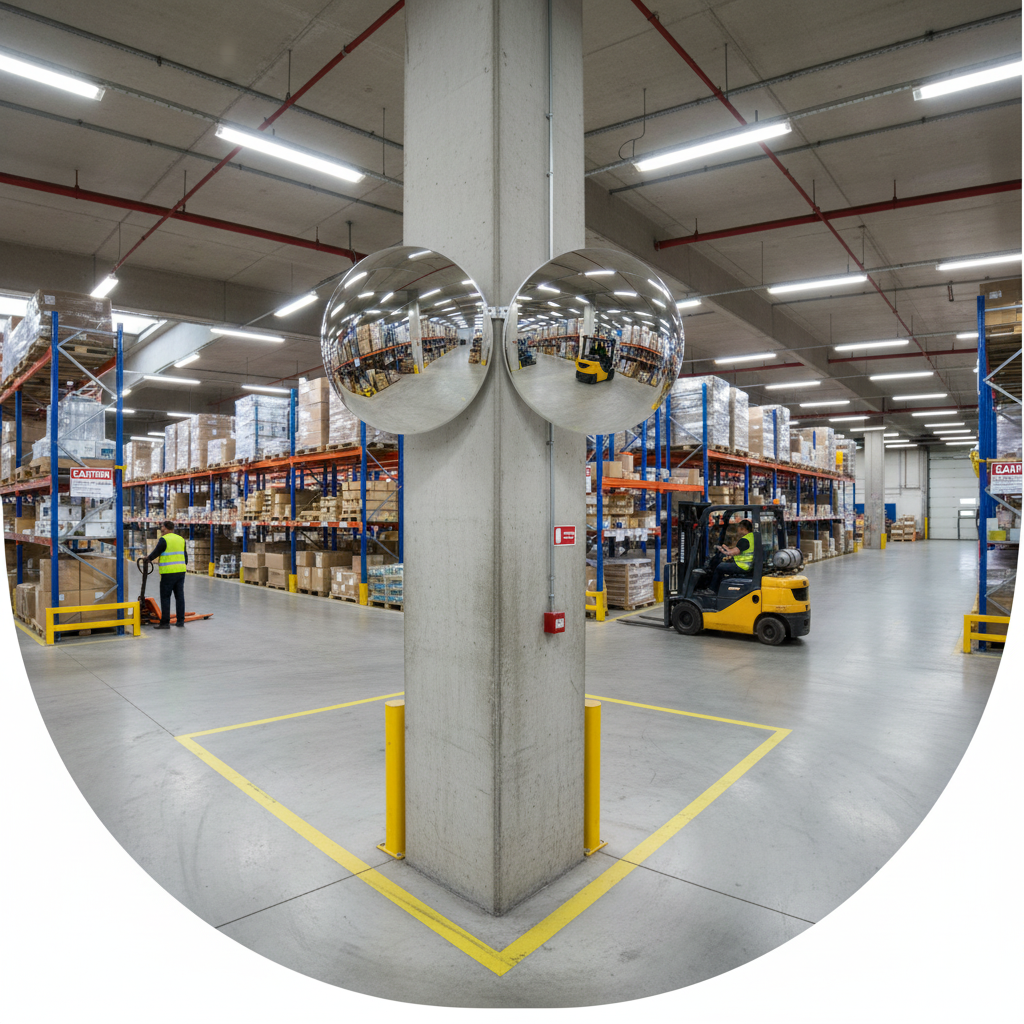
- Warehouse / logistics: 600–800mm convex or half/full dome at aisle ends and forklift intersections
- Hospital / healthcare: Stainless steel or polycarbonate for hygiene-critical areas; anti-ligature designs available
- Public transport: Stainless steel anti-vandal models with tamper-proof fixings
- Office buildings: 300–600mm acrylic convex mirrors for corridor corners and lift lobbies
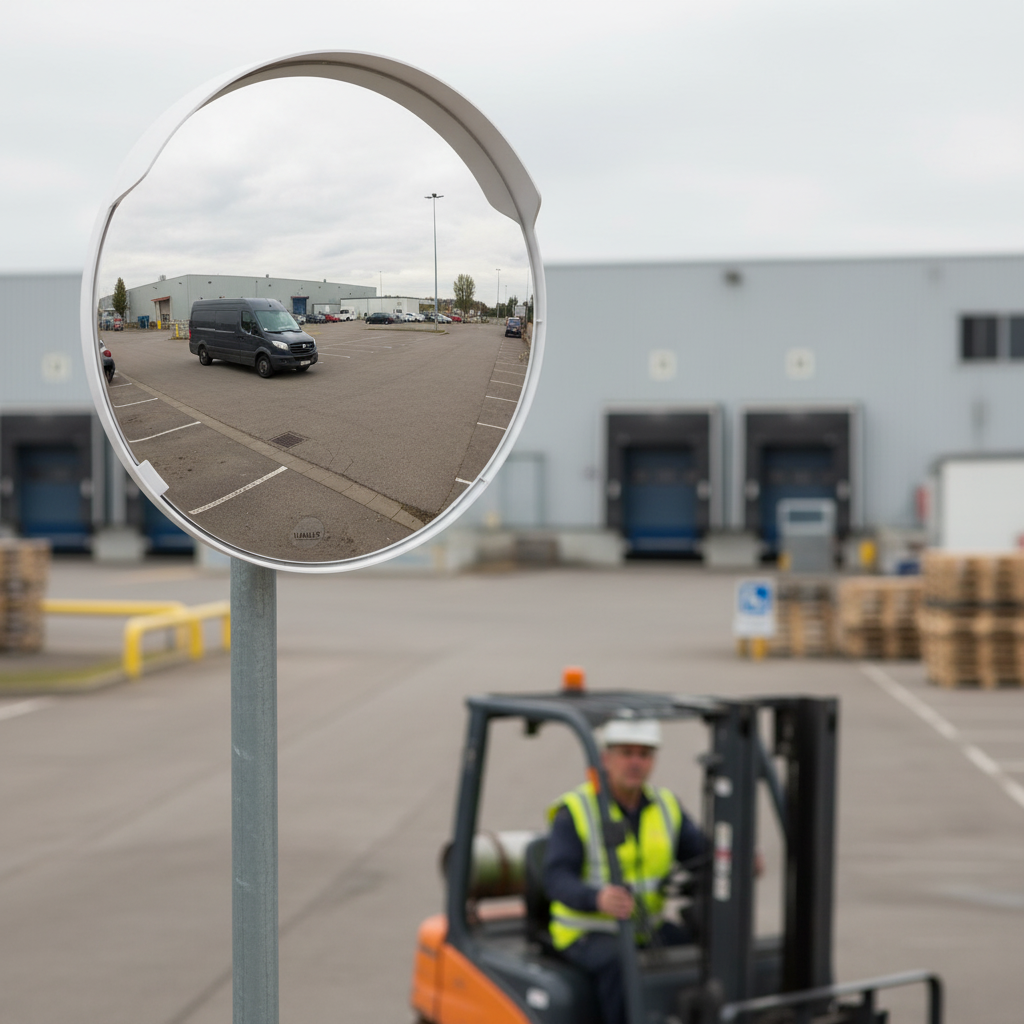
- Car parks: 800–1200mm convex mirrors at column blind spots and exit ramps
- Correctional / custody: Stainless steel anti-ligature dome mirrors only
Installation Guidelines
Correct positioning is as important as mirror selection. For corridor and aisle safety applications, mount mirrors at 1.8m–2.2m height at the apex of the blind spot, angled to capture the maximum risk zone. In retail, position mirrors above product shelving at aisle ends where sightlines to the shop floor are obstructed. For forklift safety, mirrors must be visible to the driver from the normal operating position — typically at the end of the aisle before the intersection.
All wall and ceiling fixings must be appropriate for the substrate. Use cavity anchors for plasterboard partitions, chemical anchors for masonry, and stainless steel fixings in damp or external environments.
UK Regulatory Framework
- Health and Safety at Work Act 1974 — general duty to ensure safe premises
- Workplace (Health, Safety and Welfare) Regulations 1992 — Regulation 17: safe organisation of traffic routes
- Provision and Use of Work Equipment Regulations (PUWER) 1998 — relevant where mirrors support safe use of work equipment (forklifts, vehicles)
- Regulatory Reform (Fire Safety) Order 2005 — mirrors must not obstruct fire escape routes
- UK GDPR / Data Protection Act 2018 — where security mirrors are used in conjunction with CCTV or as part of a surveillance scheme, privacy impact assessments may be required
- Equality Act 2010 — placement must not disadvantage disabled users; ensure compliance with BS 8300 accessibility guidance
Applications at a Glance
- Retail shops and supermarkets — theft deterrence and aisle visibility
- Warehouses and distribution centres — forklift and pedestrian safety
- Hospitals, care homes, and GP surgeries — corridor safety and patient observation
- Schools and universities — corridor monitoring and safeguarding
- Car parks — blind spot elimination at corners and pillars
- Public transport stations — platform and concourse security
- Prisons and custody suites — anti-ligature observation mirrors
- Offices and commercial buildings — reception and lift lobby safety
Frequently Asked Questions
What is the difference between a safety mirror and a security mirror?
In practice, the terms are often used interchangeably, but there is a distinction of intent. Safety mirrors are primarily installed to prevent accidents — eliminating blind spots for vehicles and pedestrians. Security mirrors are primarily installed for loss prevention and surveillance — giving staff a view of areas that would otherwise be hidden from the shop floor or control room. Many installations serve both purposes simultaneously.
Do I need planning permission to install security mirrors in my shop?
Internal mirrors in retail premises do not require planning permission. External mirrors visible from the street may be subject to permitted development rules — check with your local planning authority, particularly if your premises are in a conservation area or listed building.
How often should safety mirrors be inspected?
As part of your routine workplace inspection regime — typically monthly or quarterly depending on the environment. Check for crazing, scratching, or discolouration that degrades the image quality, loose or corroded brackets, and any repositioning caused by accidental impact. A mirror that no longer provides a clear, undistorted view should be replaced immediately.
Are stainless steel mirrors suitable for all environments?
Stainless steel mirrors are suitable for the vast majority of applications and offer the longest service life. In highly corrosive environments (coastal, chemical processing, food production with aggressive cleaning chemicals), specify grade 316 stainless steel rather than the standard grade 304. For anti-ligature applications in custody and mental health environments, select mirrors specifically tested and certified to the relevant NHS or Ministry of Justice anti-ligature standards.
Frequently Asked Questions
What is the difference between a safety mirror and a security mirror?
Safety mirrors are primarily used to improve visibility and prevent accidents — for example, at blind warehouse corners, aisle intersections, or vehicle crossing points. Security mirrors are focused on surveillance and loss prevention, typically used in retail, reception areas, and public spaces to monitor activity. Many of our mirrors serve both purposes, and both types use the same convex acrylic or polycarbonate mirror technology.
Where are safety mirrors most commonly installed?
Safety mirrors are most commonly installed at: blind corners in warehouses and factories; vehicle and pedestrian crossing points; retail store aisles and shop floors; car park pillars and ramps; stairwells and corridors; loading docks; and at site entrances for traffic management. Any location where a person or vehicle could emerge unseen into a hazardous area benefits from a well-positioned convex safety mirror.
Do safety mirrors help with health and safety compliance?
Yes. Under the Health and Safety at Work Act 1974 and the Workplace (Health, Safety and Welfare) Regulations 1992, employers must ensure safe traffic routes and pedestrian areas within their premises. Safety mirrors can form part of a risk-reduction strategy for vehicle/pedestrian conflict areas. They are also referenced in HSE guidance on workplace transport safety as a means of improving sightlines at junctions and blind spots.
What mounting options are available?
Our safety mirrors are available with a range of mounting options including: wall-mount brackets (surface fixing); pole or post mounting (with adjustable clamp brackets for standard tube sizes); ceiling-dome mounting for overhead installation; and corner-mount arms for positioning at 45° to a wall junction. Most mirrors include an adjustable swivel bracket allowing the mirror angle to be optimised after installation.
Are safety mirrors vandal-resistant?
Our acrylic and polycarbonate mirror faces are shatter-resistant and significantly more robust than glass. For high-risk environments such as public areas, car parks, and retail, we recommend stainless steel safety mirrors which offer maximum vandal resistance — the mirror surface is virtually impossible to break and is highly resistant to scratching and defacement. Dome-format ceiling mirrors also present a profile that is more difficult to reach and damage.
Are there full-dome (360°) safety mirrors available?
Yes. We supply full-dome (360°) and half-dome (180°) safety mirrors for ceiling and overhead installation. Full-dome mirrors provide a complete all-round view of an area from a single ceiling-mounted unit, making them ideal for large warehouse intersections, shop floors, and multi-aisle environments. Half-dome mirrors are used where coverage of 180° is sufficient. Both types are available in acrylic and stainless steel finishes.
Why Buy From Barriers Co?
On orders over £75
Specialist team on hand
10,000+ customers served
30-day hassle-free returns
Fast despatch from UK warehouses
Mon–Fri 9am–5pm
Recently viewed
- Opens in a new window.
Get 10% Off Your First Order
Join 500+ businesses who trust Barriers Co for their safety infrastructure
Need help choosing?
Our team is online now. Get instant answers about products, bulk pricing, or delivery.
Chat Now