




Last updated: May 2026. Written by the BarriersCo technical team.
Bollards — Robust Vehicle & Pedestrian Control
Bollards are the cornerstone of effective traffic management, perimeter protection, and pedestrian zone enforcement across the UK. Whether you're securing a retail car park, protecting a building facade, or defining a pedestrian-only street, the right bollard delivers both physical deterrence and visual clarity. Our range covers every application — from high-impact steel security bollards to lightweight plastic demarcation posts — all manufactured to current UK and European standards.
Types of Bollards & Their Applications
Steel & Cast Iron Bollards
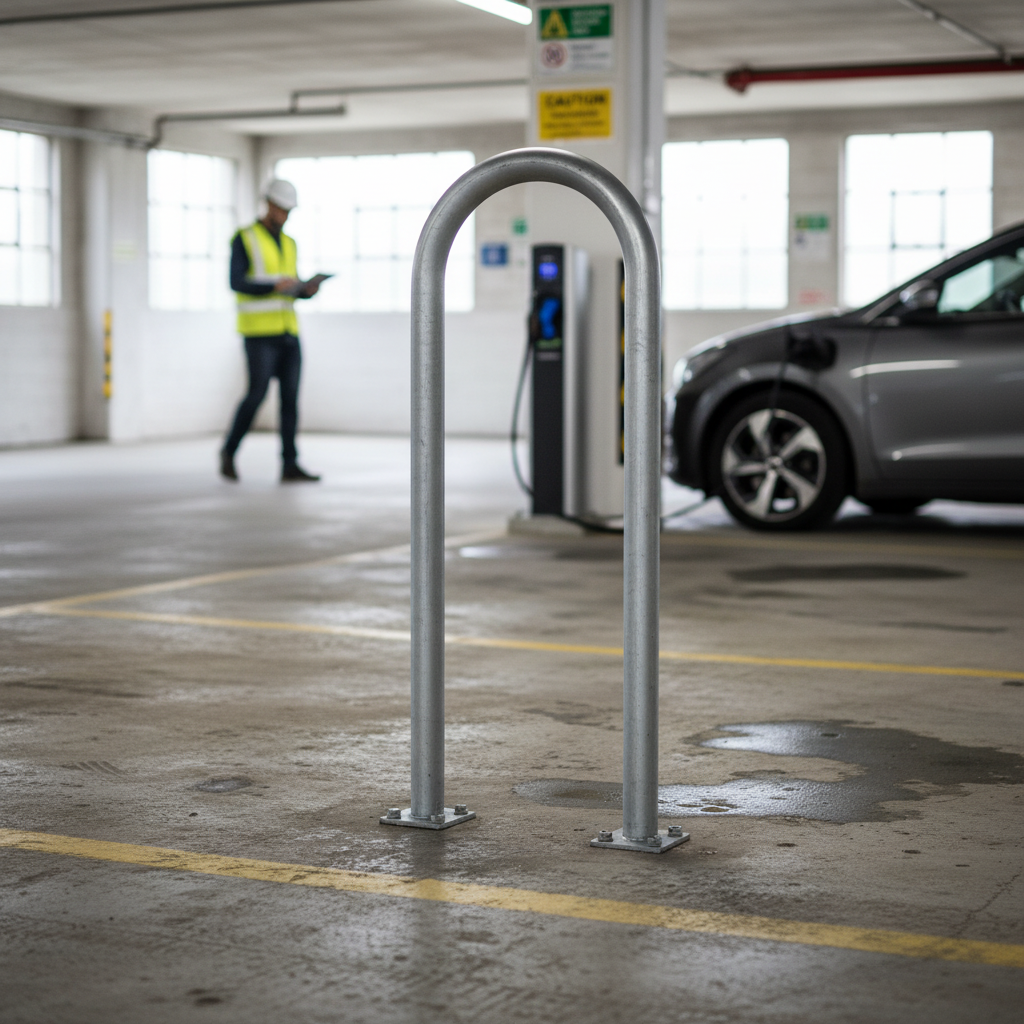
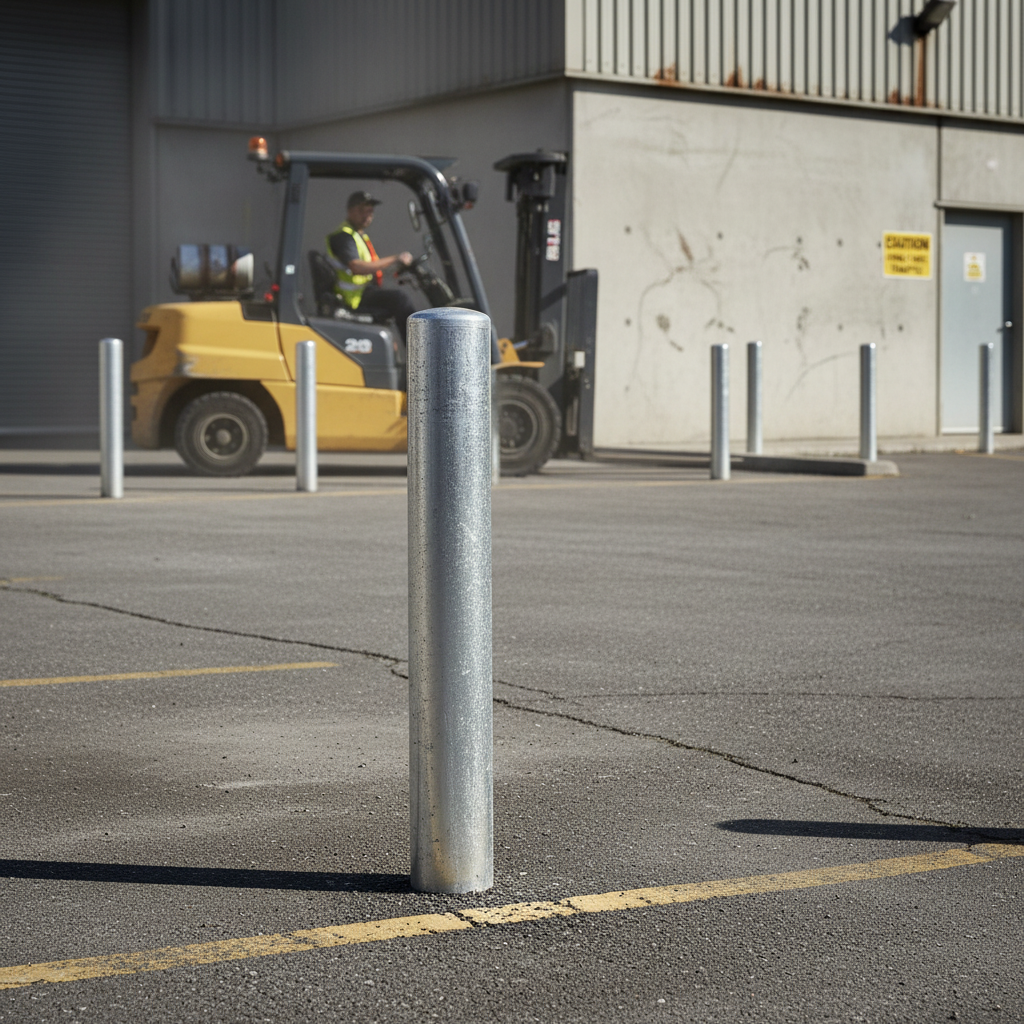
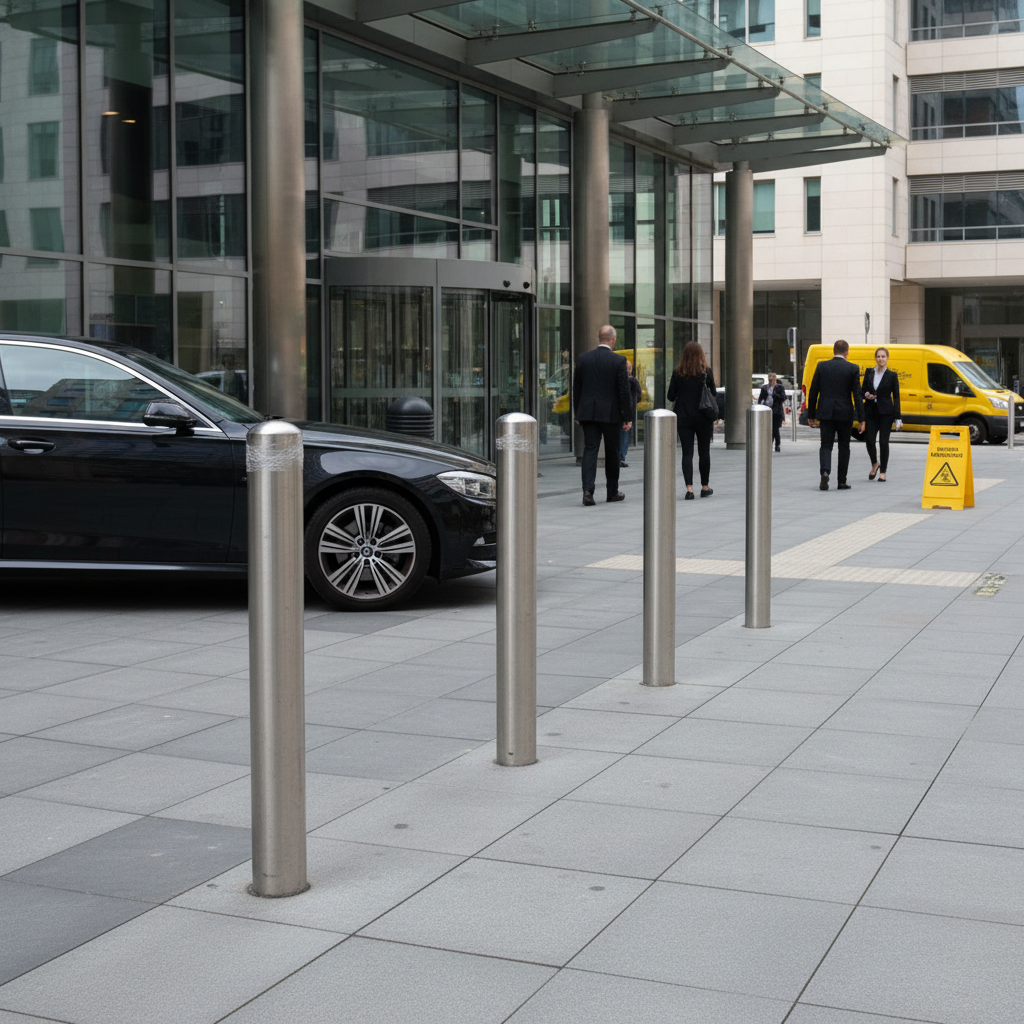
Heavy-duty steel and cast iron bollards form the backbone of vehicle exclusion and perimeter security. Typically installed with a concrete foundation, these units offer exceptional impact resistance. Key applications include:
- Retail and commercial car park perimeter control
- Protecting storefronts and building facades from vehicle incursion
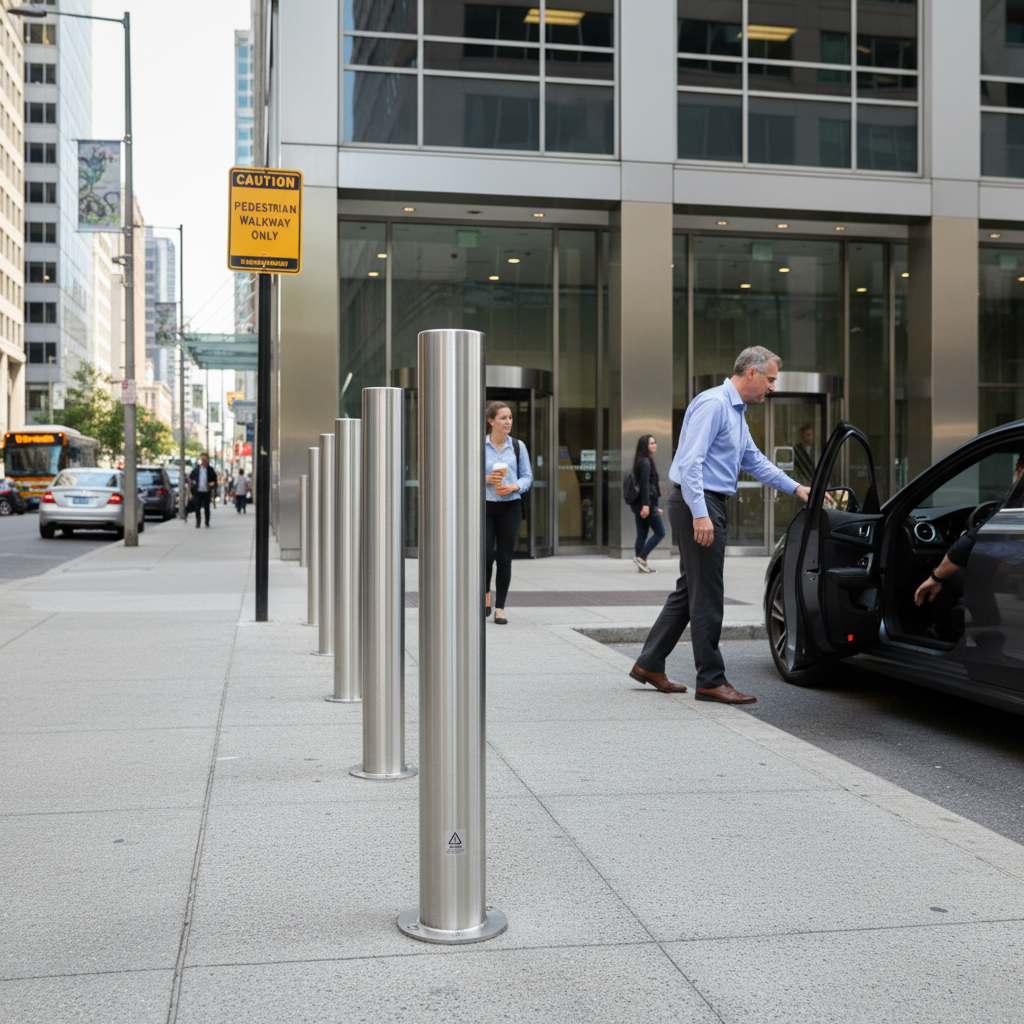
- Pedestrian zone enforcement on high streets and town centres
- ATM and cash machine protection
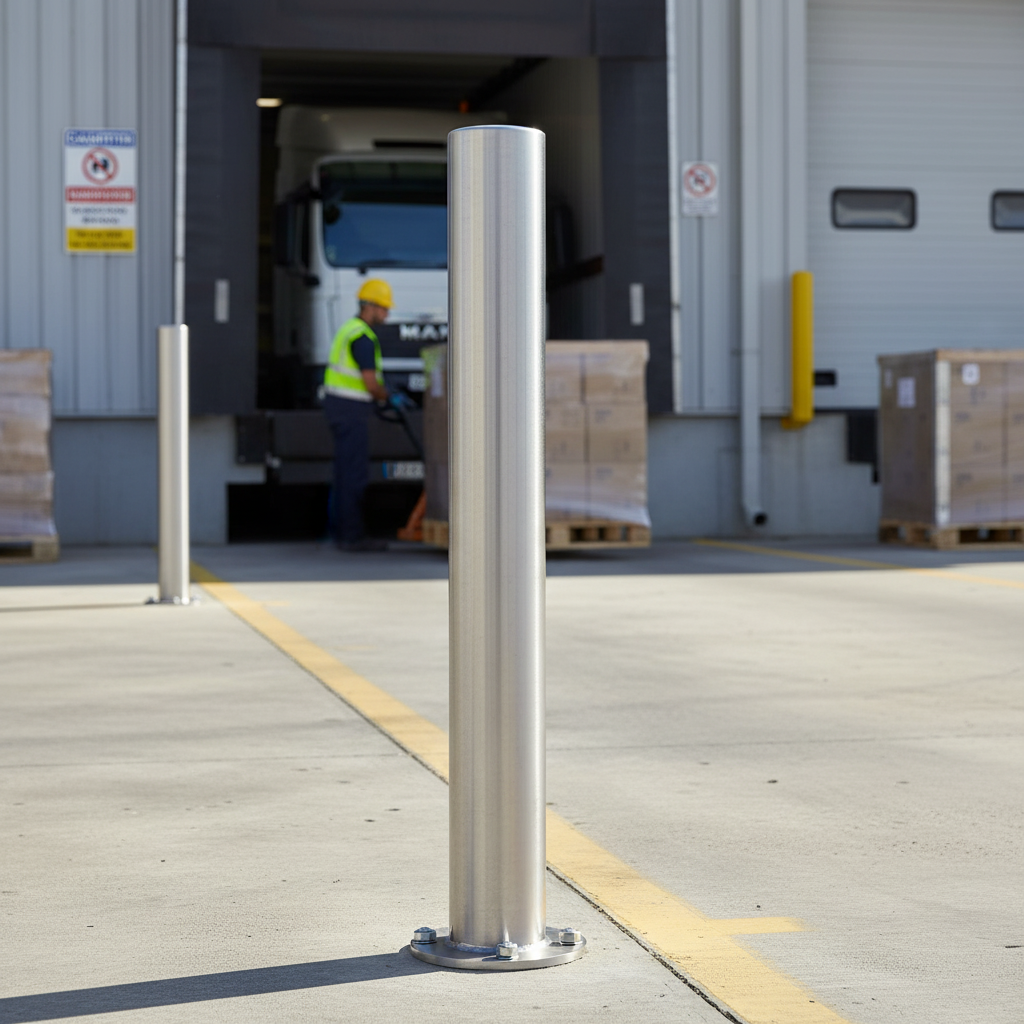
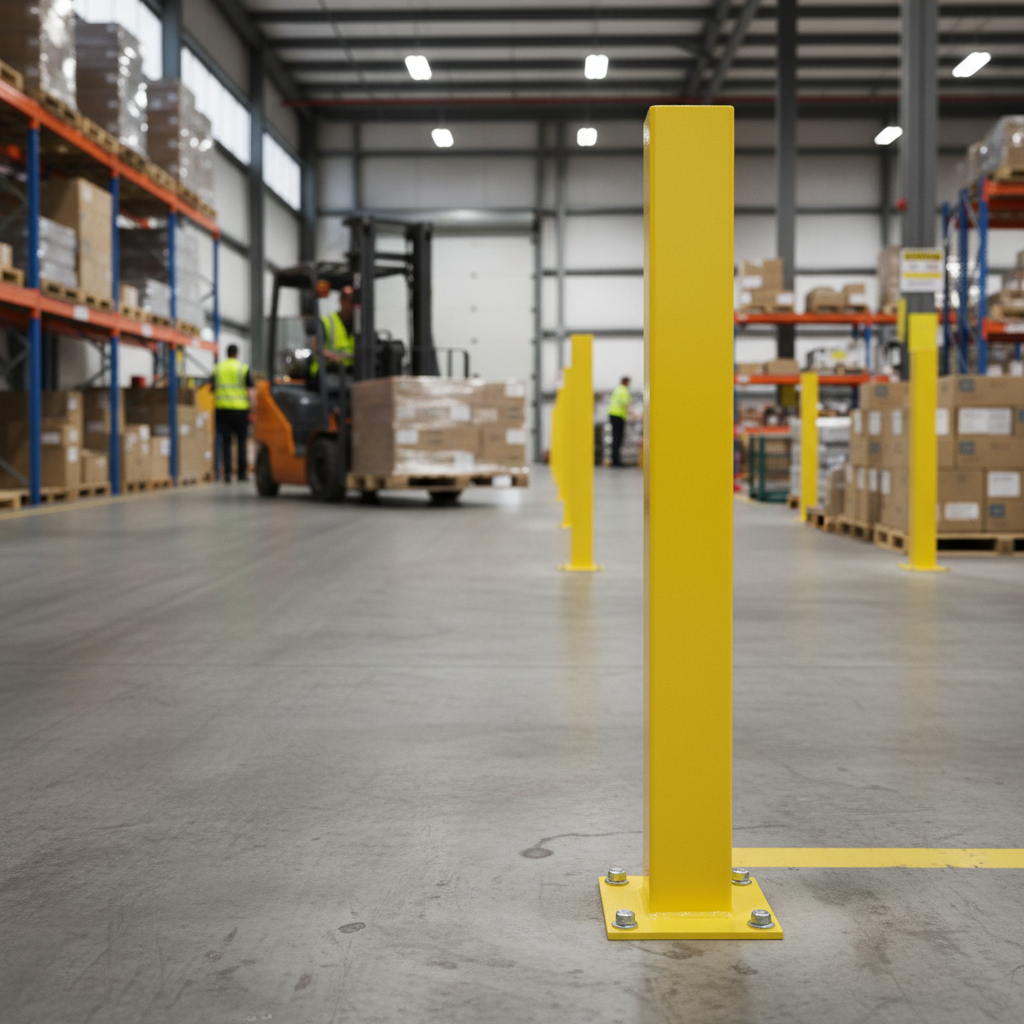
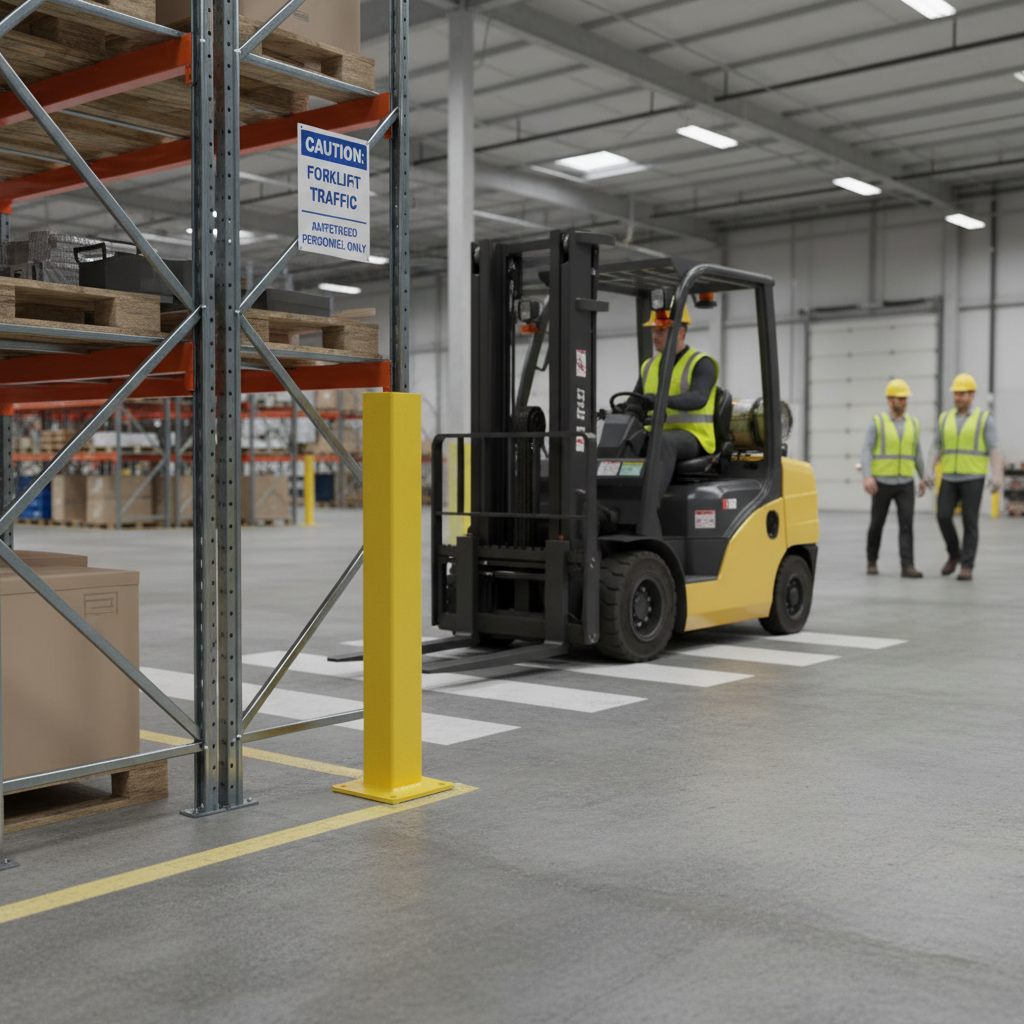
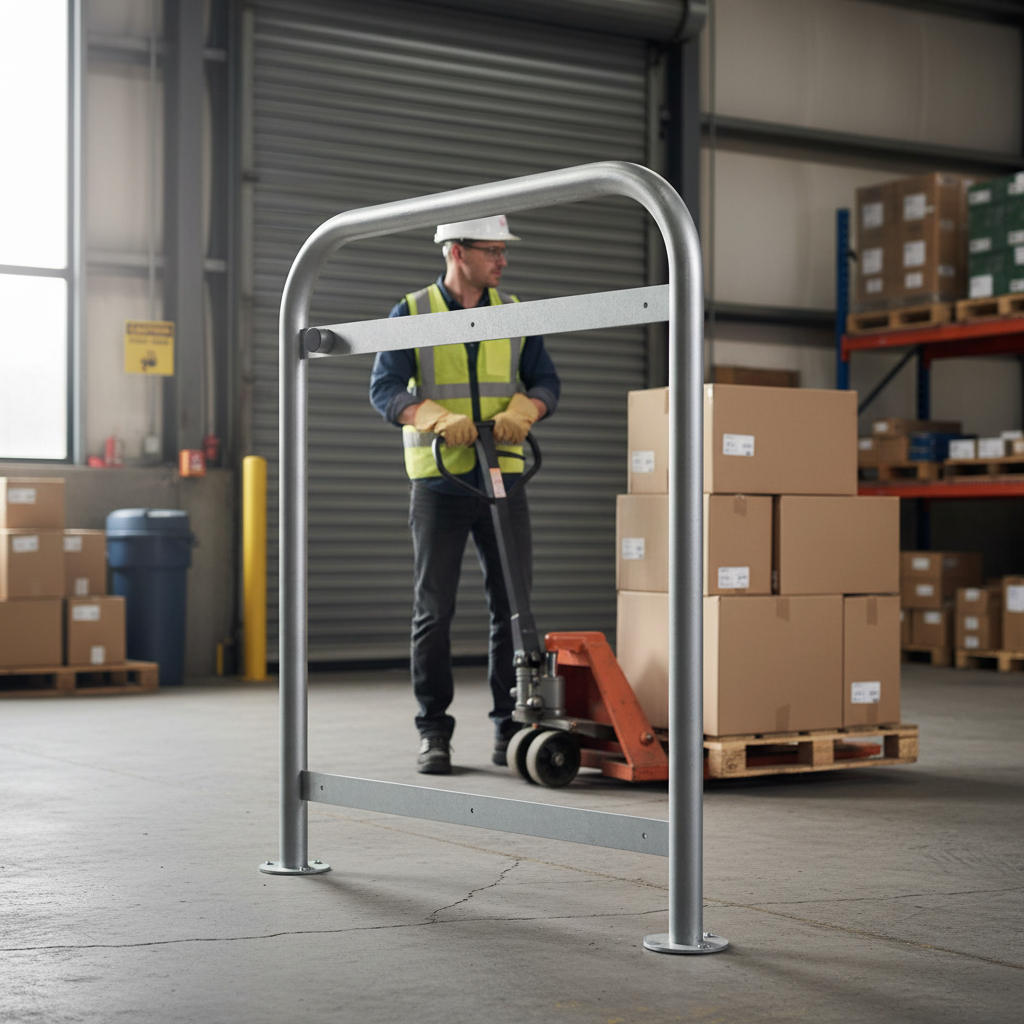
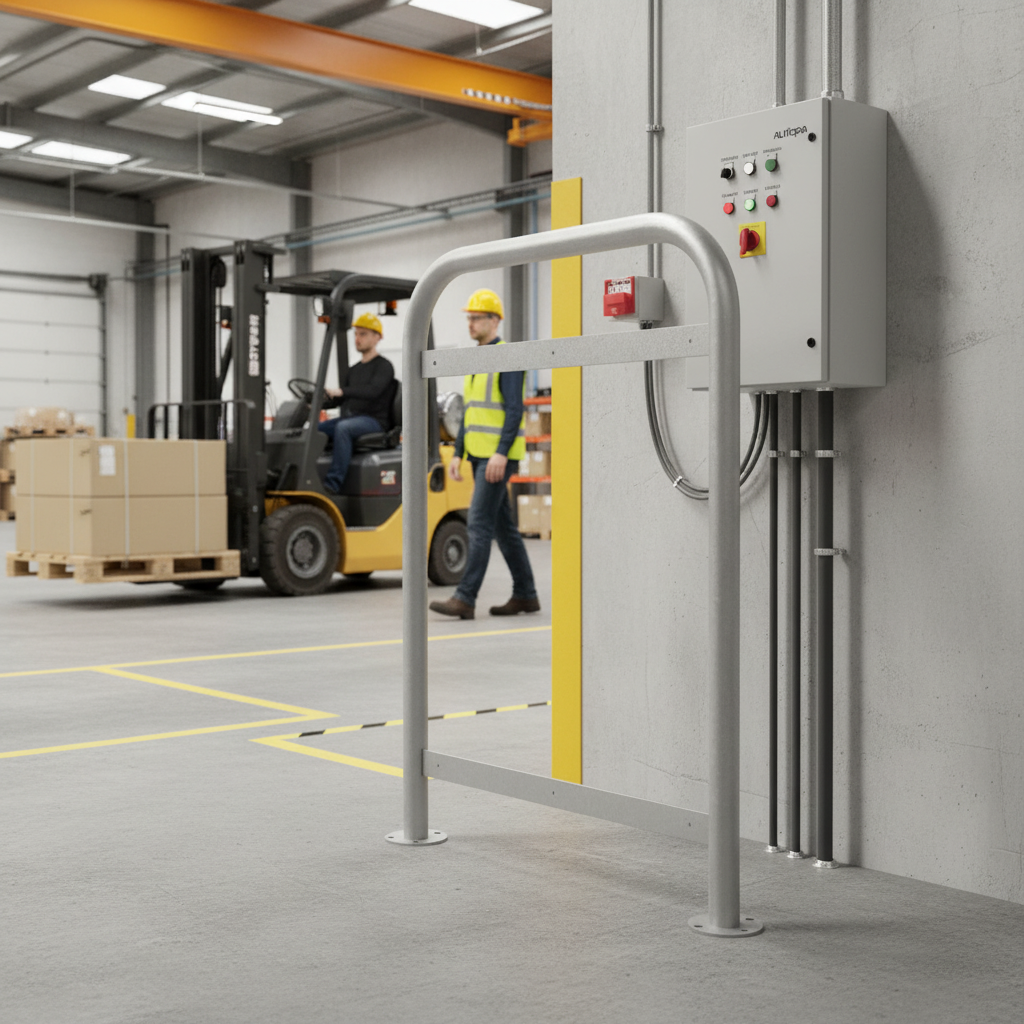
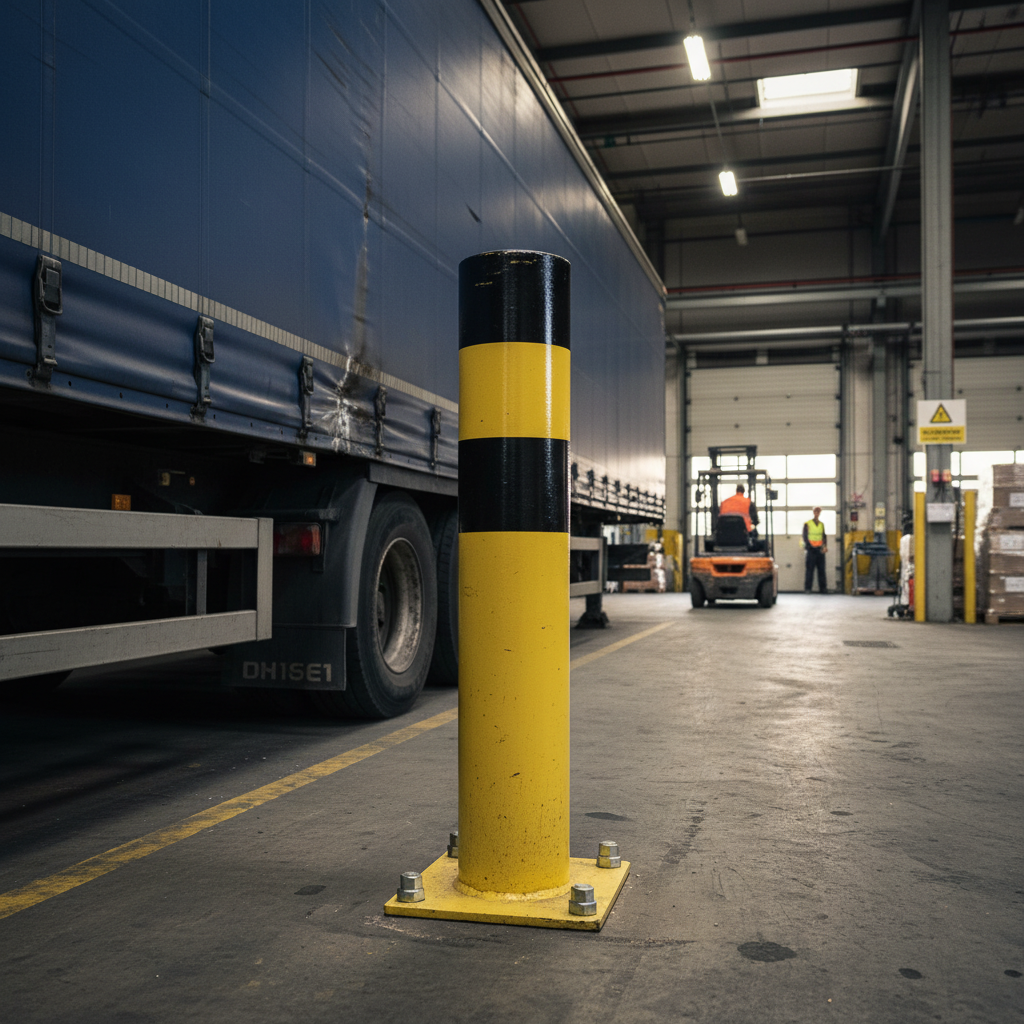
- Industrial and warehouse bay marking
Plastic & HDPE Bollards
High-density polyethylene (HDPE) and recycled plastic bollards offer a cost-effective, low-maintenance alternative where visual demarcation is the primary goal. UV-stabilised and weatherproof, they suit:
- Car park lane guidance and space delineation
- Cycle lane protection
- Temporary or semi-permanent pedestrian routing
- School and healthcare site demarcation
Flexible Rubber & Polyurethane Bollards
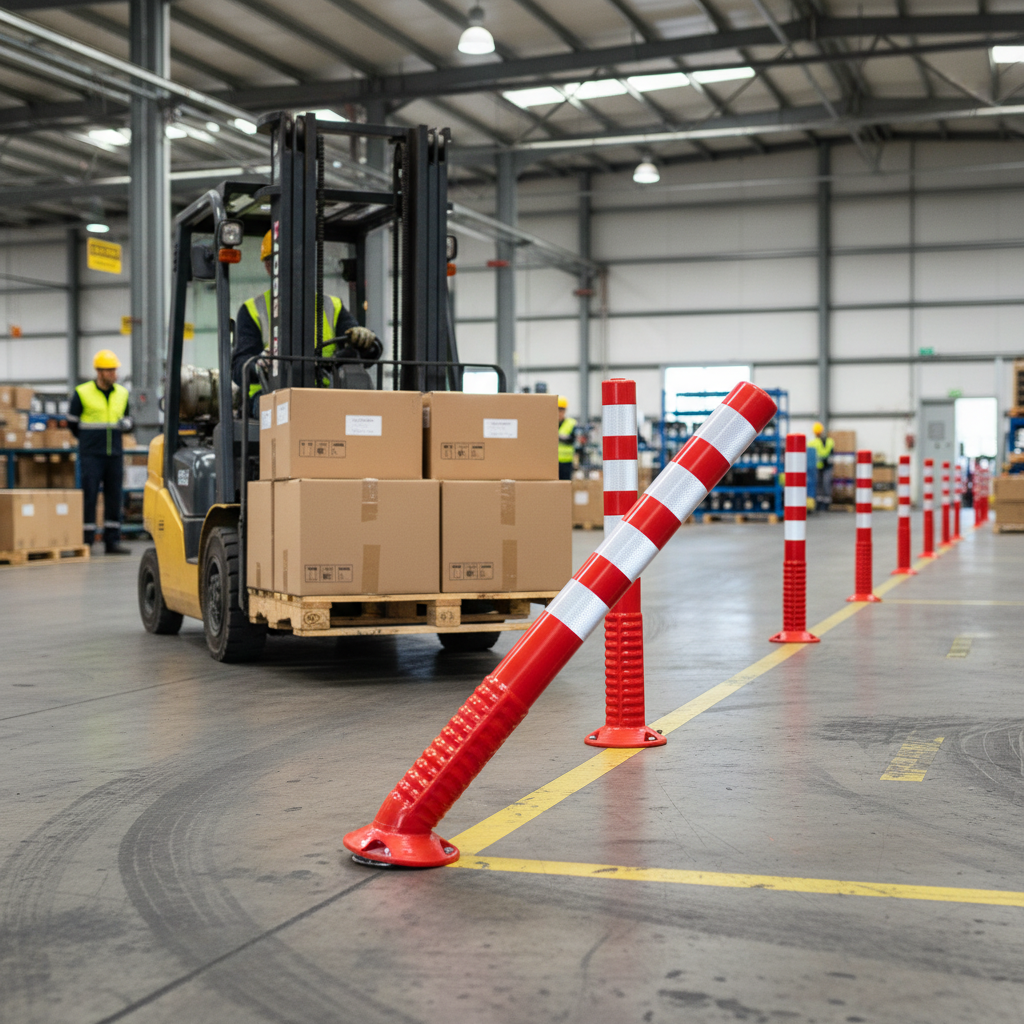
Flexible bollards deflect on impact and return to their original position, making them ideal for areas with frequent low-speed vehicle contact. They protect both infrastructure and vehicles:
- Multi-storey car park columns and corners
- Drive-through lanes and fuel station forecourts
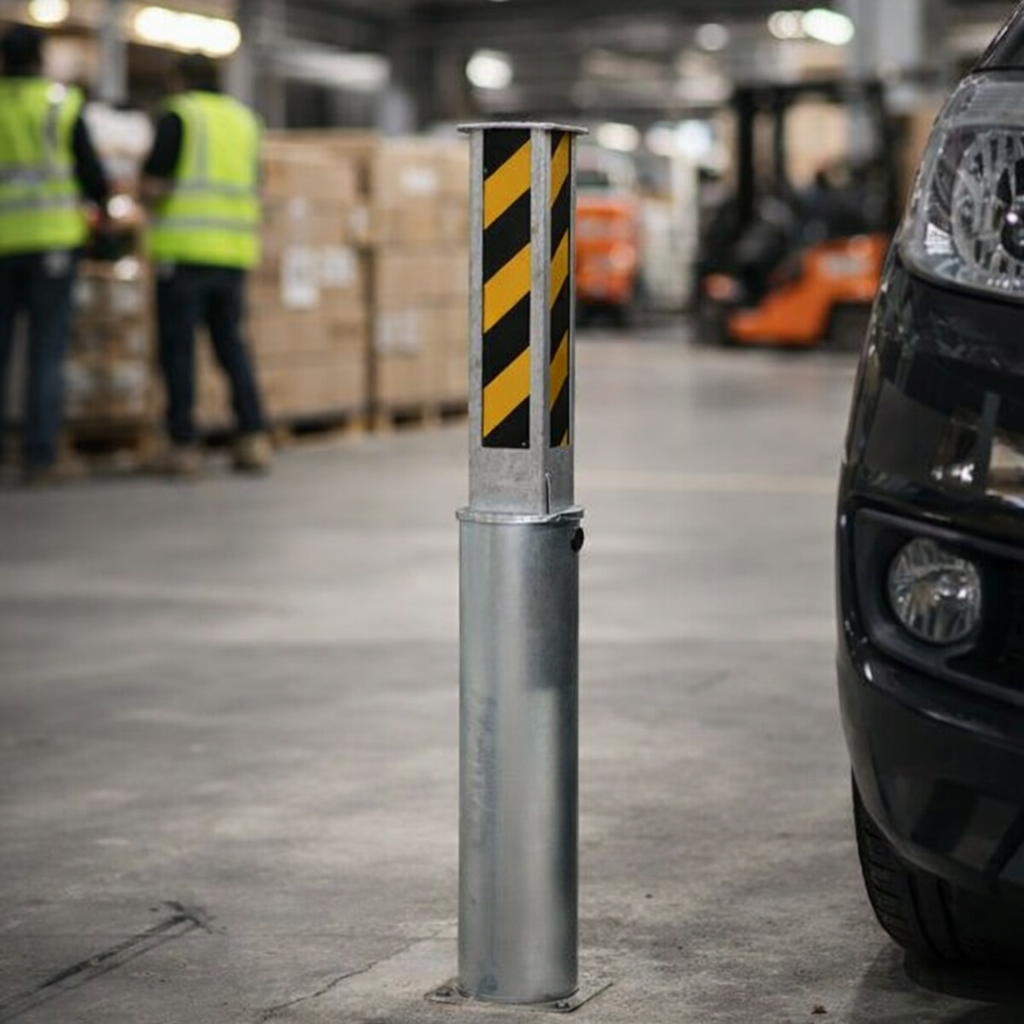
- Indoor logistics and warehouse routing
Technical Specifications
- Typical heights: 600 mm – 1,200 mm above ground
- Typical diameters: 76 mm – 275 mm
- Foundation depths: 300 mm – 600 mm (depending on load rating)
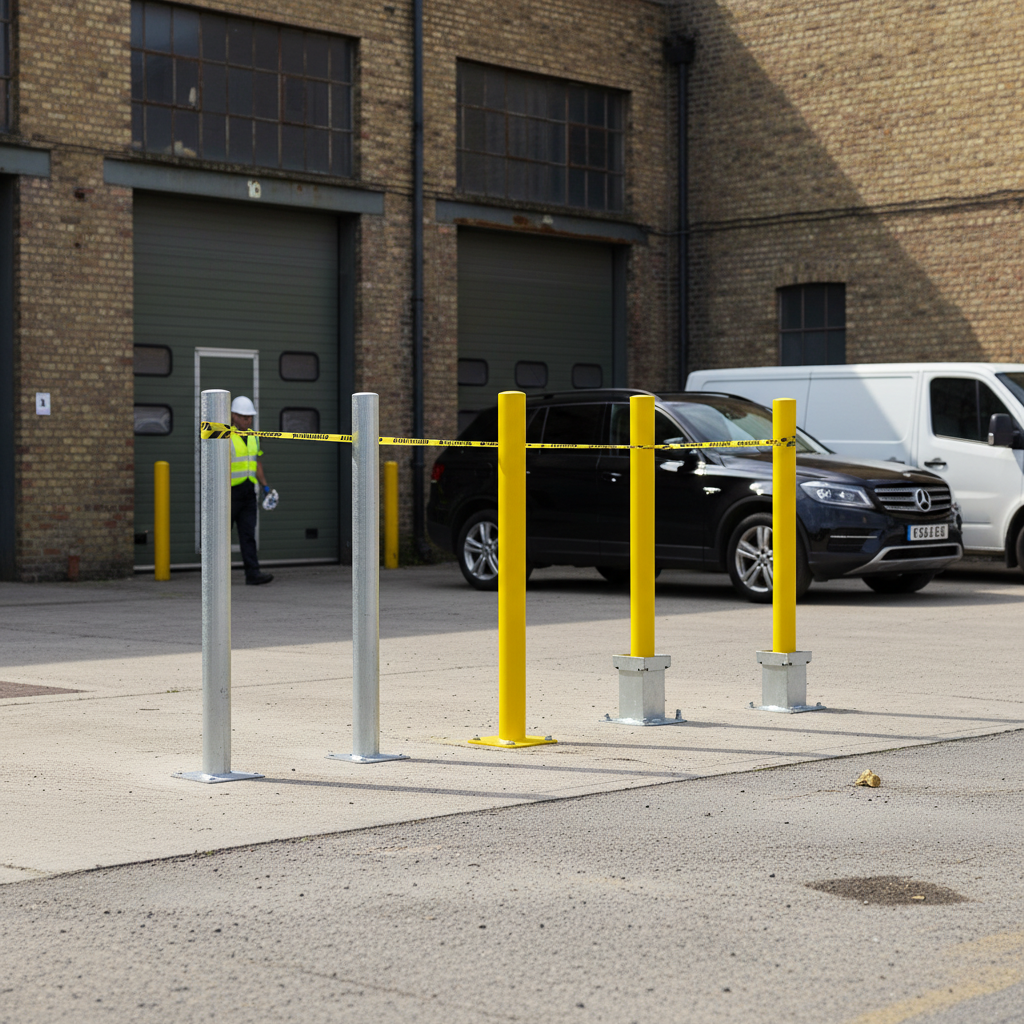
- Finish options: Hot-dip galvanised, powder-coated (RAL palette), stainless steel, high-visibility yellow
- Reflective banding: Class RA2 retroreflective tape available on selected models
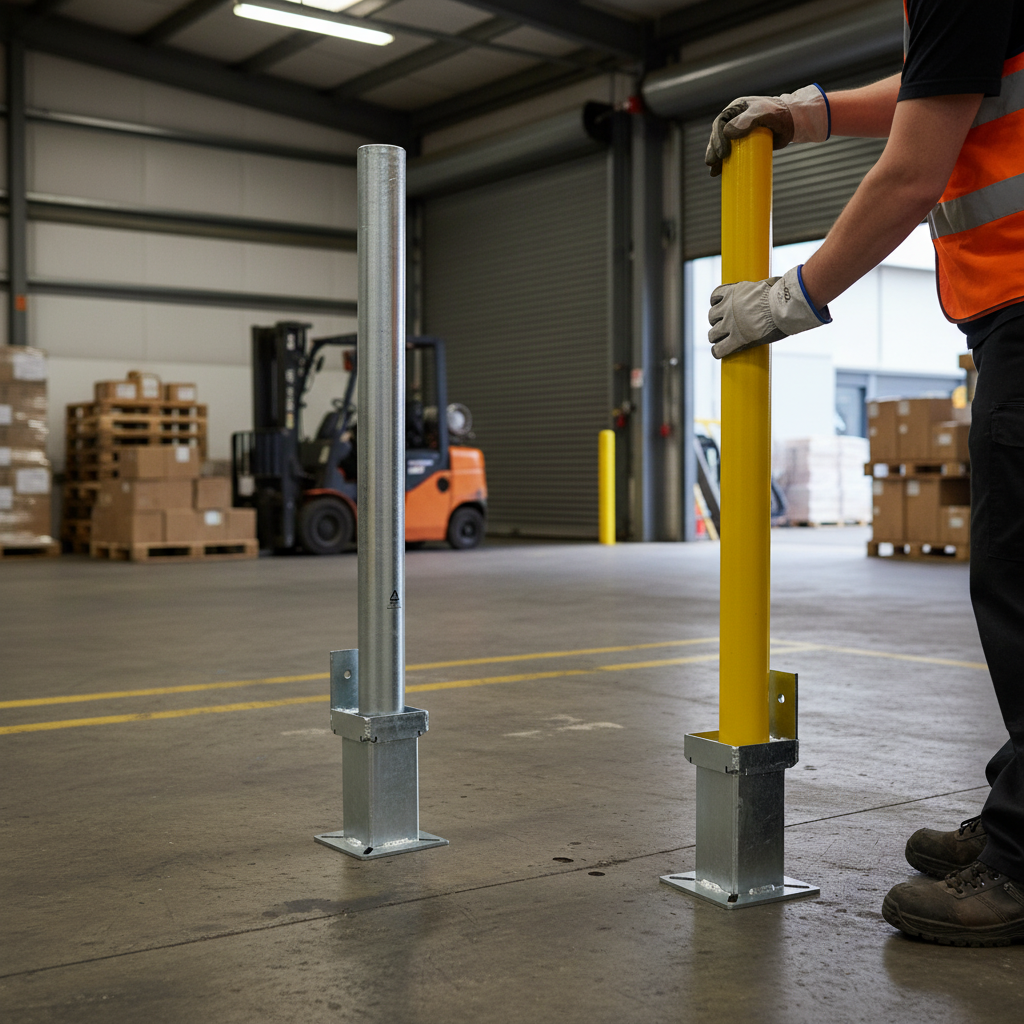
- Base options: Surface-mount (bolt-down), core-drilled ground socket, direct burial
UK Standards & Compliance
Bollards installed on or near the public highway must comply with relevant UK guidance and standards. Key references include:
- BS EN 1317 — Crash-tested bollards for high-security applications
- PAS 68 / IWA 14-1 — Vehicle security barriers and hostile vehicle mitigation (HVM) rated bollards
- Highways Act 1980 — Governs any installation affecting the public highway; local authority approval required
- Manual for Streets (MfS) — Guidance on pedestrian environment and street furniture placement
- Traffic Signs Regulations and General Directions (TSRGD) 2016 — Relevant where bollards carry mandatory traffic signs
For private land, no statutory approval is required, but adherence to BS and PAS standards remains best practice for insurance and liability purposes.
Installation Guidance
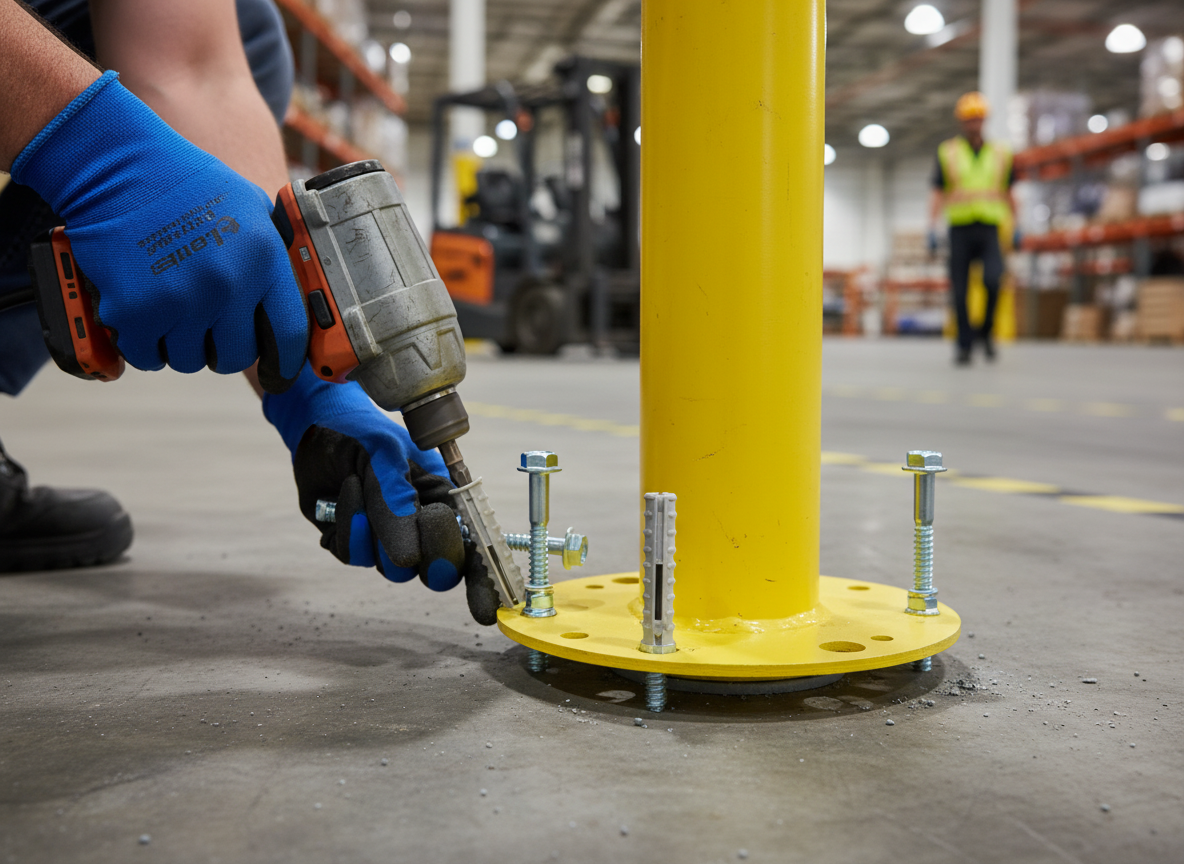
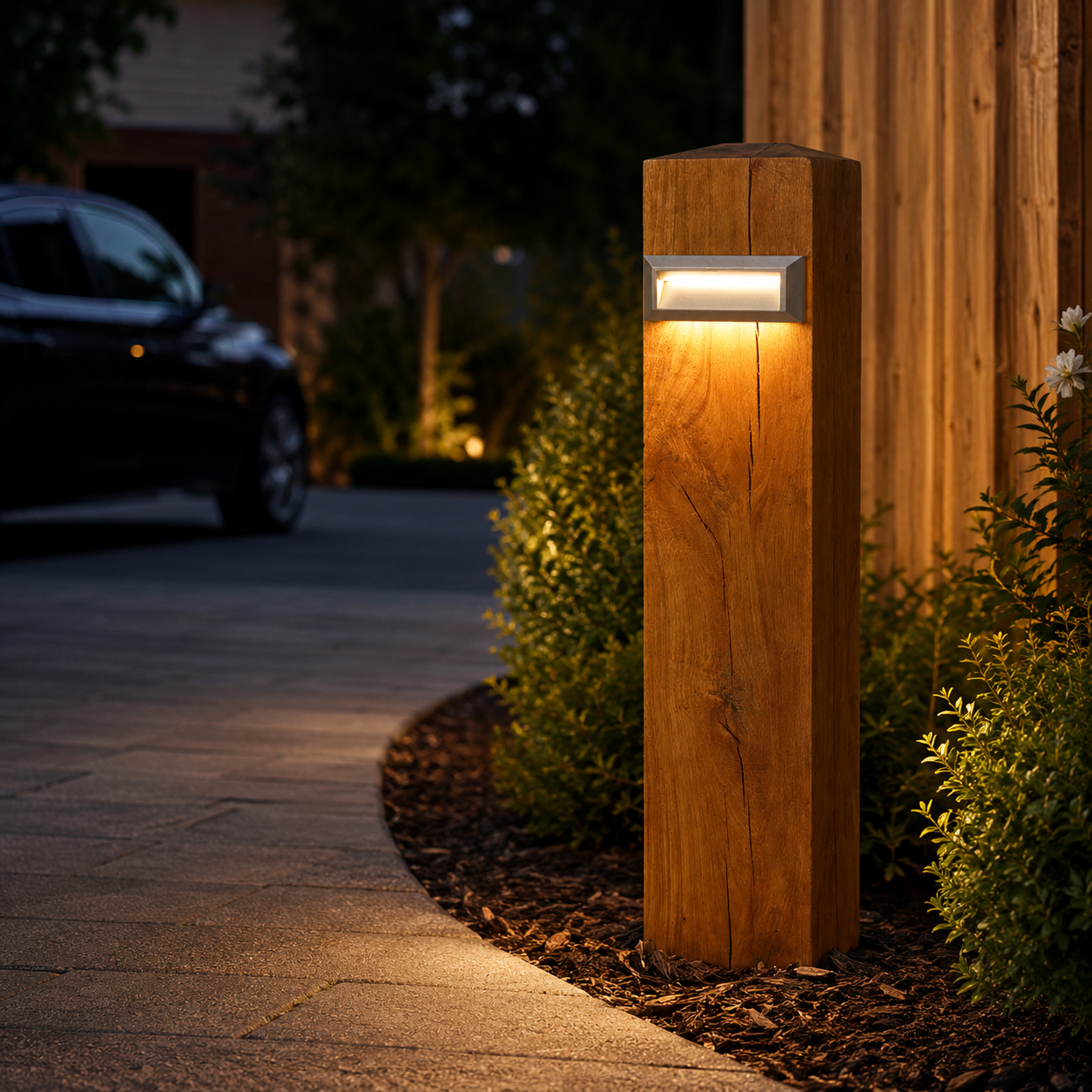
Correct installation is critical to bollard performance. Surface-mount bolt-down bollards are suitable for moderate pedestrian or low-speed vehicle deterrence. For vehicle exclusion applications, core-drilled socket or direct-burial methods with C25 concrete infill are recommended. Always check for underground services before drilling. Reflective bands and integrated lighting improve visibility in low-light conditions and are strongly recommended for any public-facing installation.
Frequently Asked Questions
What is the difference between a security bollard and a standard bollard?
A security bollard — sometimes called an anti-ram or HVM bollard — is crash-tested to a recognised standard (PAS 68 or IWA 14-1) and is designed to stop vehicles travelling at speed. Standard demarcation or visual bollards are not rated for impact resistance and should not be used for perimeter security against deliberate vehicle attack.
Do I need planning permission to install bollards?
On private land, bollards generally fall within permitted development rights and do not require planning permission, though listed building or conservation area restrictions may apply. On or adjacent to the public highway, you will need approval from the local highways authority under the Highways Act 1980. Always confirm with your local authority before installation.
How do I choose the right bollard height?
The standard effective bollard height for vehicle deterrence is 900 mm – 1,000 mm above ground level, which intercepts the bumper and lower body of most cars and LCVs. For pedestrian demarcation only, 600 mm – 750 mm is sufficient. For HGV deterrence, taller and wider-diameter units are required — consult the product's impact test certification for rated vehicle types and speeds.
Can bollards be installed on block paving or tarmac?
Yes. Bolt-down surface-mount bollards can be fixed to most hard surfaces using anchor bolts into the substrate. For tarmac or block paving, sleeve/socket systems allow the bollard to be removed for maintenance without breaking the surface. For security-rated applications, the foundation must be reinforced concrete — surface finishes alone cannot provide the required anchorage.
Frequently Asked Questions
How deep do bollards need to be installed?
Installation depth depends on the bollard type and application. Standard surface-mount bollards use a baseplate fixed with anchor bolts into concrete or tarmac. Core-drill (in-ground) bollards typically require a hole 200–300mm in diameter and 600–900mm deep, set in concrete. For anti-ram or security-rated bollards, always follow the manufacturer's specific foundation design to achieve the rated performance.
What is the difference between surface-mount and core-drill installation?
Surface-mount bollards are fixed to an existing hard surface using a baseplate and anchor bolts — ideal where excavation is not possible or practical. Core-drill (in-ground) installation involves drilling or digging a hole and setting the bollard in concrete, offering superior strength and a cleaner aesthetic with no visible baseplate. Anti-ram bollards almost always require in-ground installation to achieve certified impact ratings.
Can bollards be keyed alike or locked?
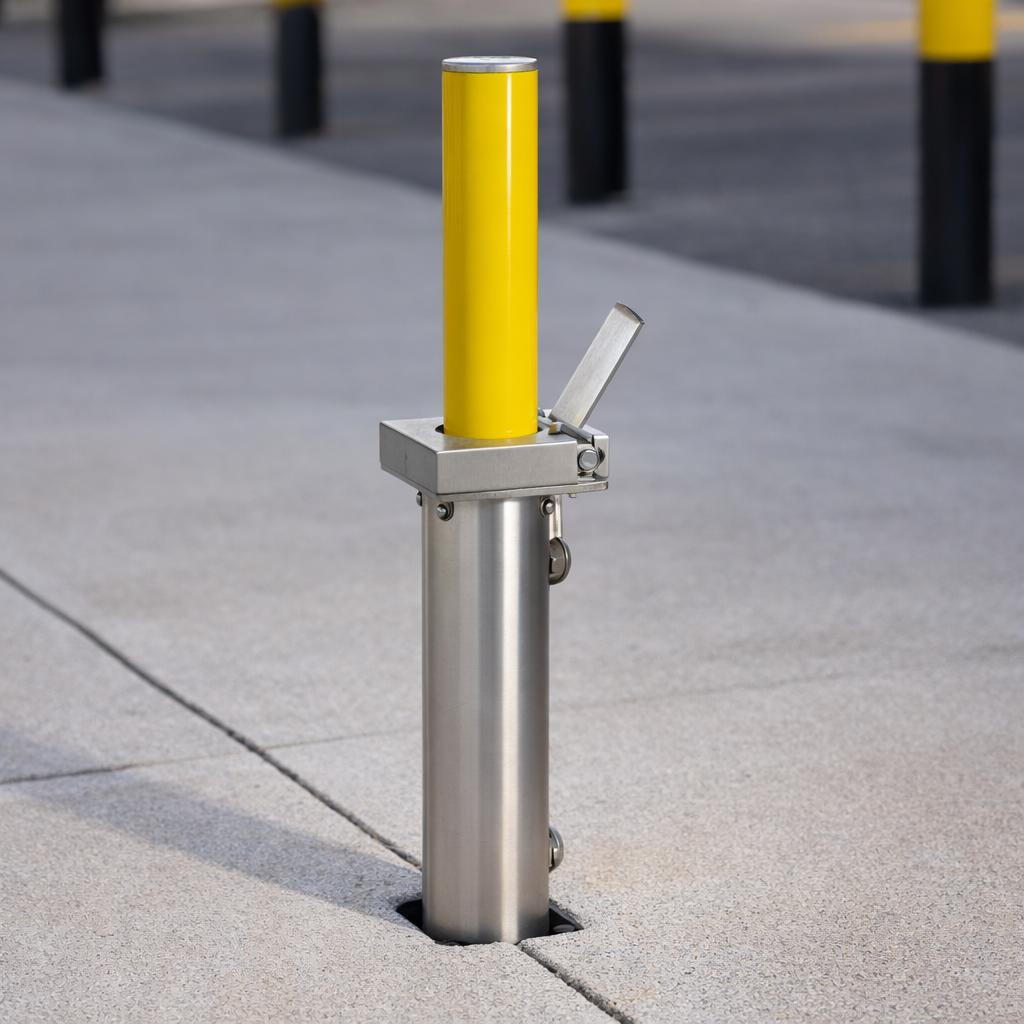
Yes. Many removable and retractable bollards are available with keyed cylinders, and can be ordered keyed-alike so a single key operates multiple units across a site. This is particularly useful for car parks, loading bays, and pedestrian zones where multiple access points need to be managed efficiently.
What diameter bollard should I choose?
Bollard diameter is typically chosen based on aesthetic requirements, application, and structural need. Common diameters range from 76mm (light pedestrian duty) to 168mm or larger for heavy-duty or anti-ram applications. Wider diameters offer greater visual prominence and impact resistance. For vehicle deterrence without a certified anti-ram rating, 100–114mm steel bollards are a popular choice.
Do bollards need to meet any compliance or safety standards?
For general pedestrian and traffic management use, there are no mandatory UK standards for standard bollards, though BS 8300 (accessibility) recommends minimum heights and visibility contrast for bollards near pedestrian routes. For hostile vehicle mitigation (HVM), bollards should meet PAS 68 or IWA 14-1 impact test ratings if certified protection is required. Always check local authority planning requirements for street furniture.
How do I maintain steel bollards?
Galvanised and powder-coated steel bollards require minimal maintenance. Periodically inspect for corrosion, paint chips, or physical damage. Touch up any scratches or chips with compatible paint to prevent rust. For stainless steel bollards, an occasional wipe with a damp cloth and mild detergent keeps them looking smart. Removable bollard mechanisms should be lubricated annually to ensure smooth operation.
Why Buy From Barriers Co?
On orders over £75
Specialist team on hand
10,000+ customers served
30-day hassle-free returns
Fast despatch from UK warehouses
Mon–Fri 9am–5pm


















Recently viewed
- Opens in a new window.
Get 10% Off Your First Order
Join 500+ businesses who trust Barriers Co for their safety infrastructure
Need help choosing?
Our team is online now. Get instant answers about products, bulk pricing, or delivery.
Chat Now