




Last updated: May 2026. Written by the BarriersCo technical team.
Armco Barriers UK — Steel Crash Barriers for Car Parks & Roads
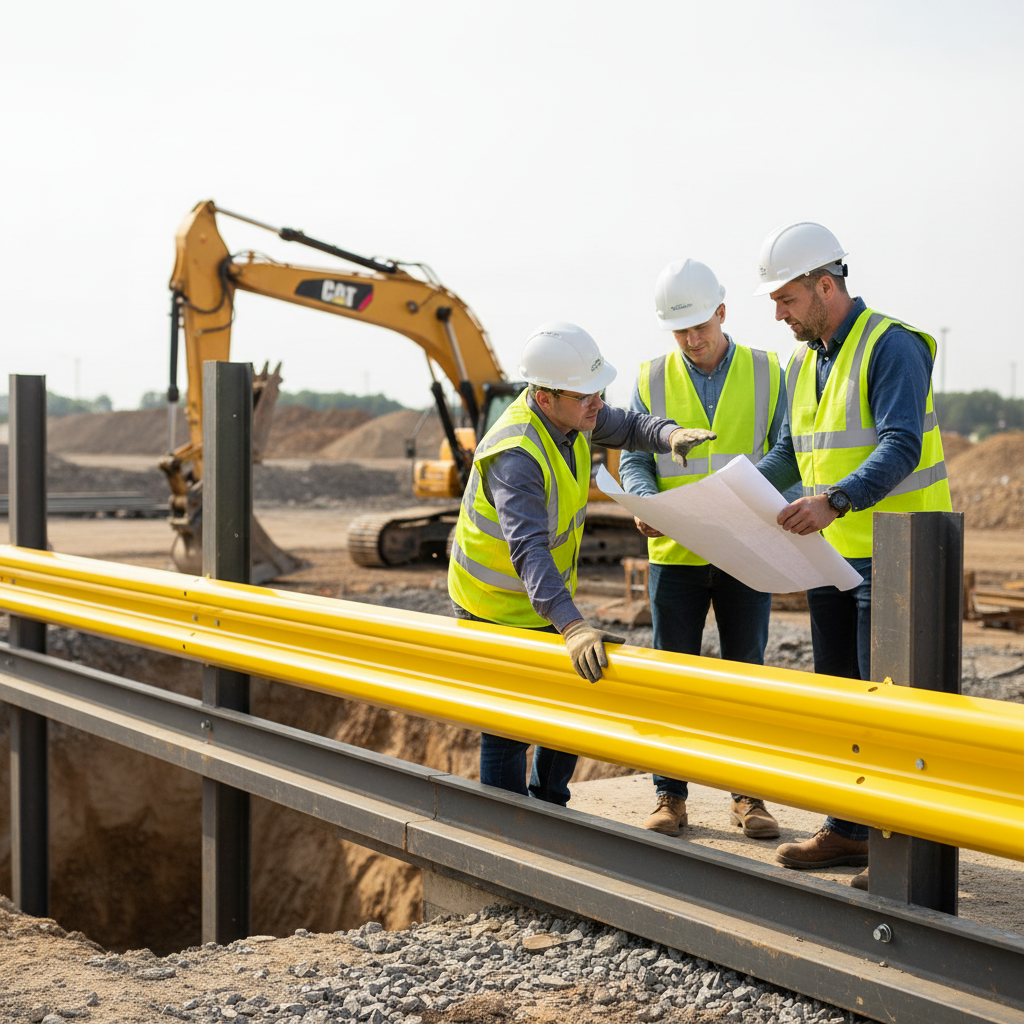
Armco barriers — the corrugated steel W-beam safety barrier used across UK road networks, car parks, and industrial sites — are one of the most cost-effective forms of vehicle impact protection available. From protecting a warehouse wall to forming a highway crash barrier on a busy A-road, Armco's distinctive corrugated profile provides reliable containment and energy absorption. This guide explains what Armco barriers are, where they're used, how to specify them, and what the UK standards require.
What Is an Armco Barrier?
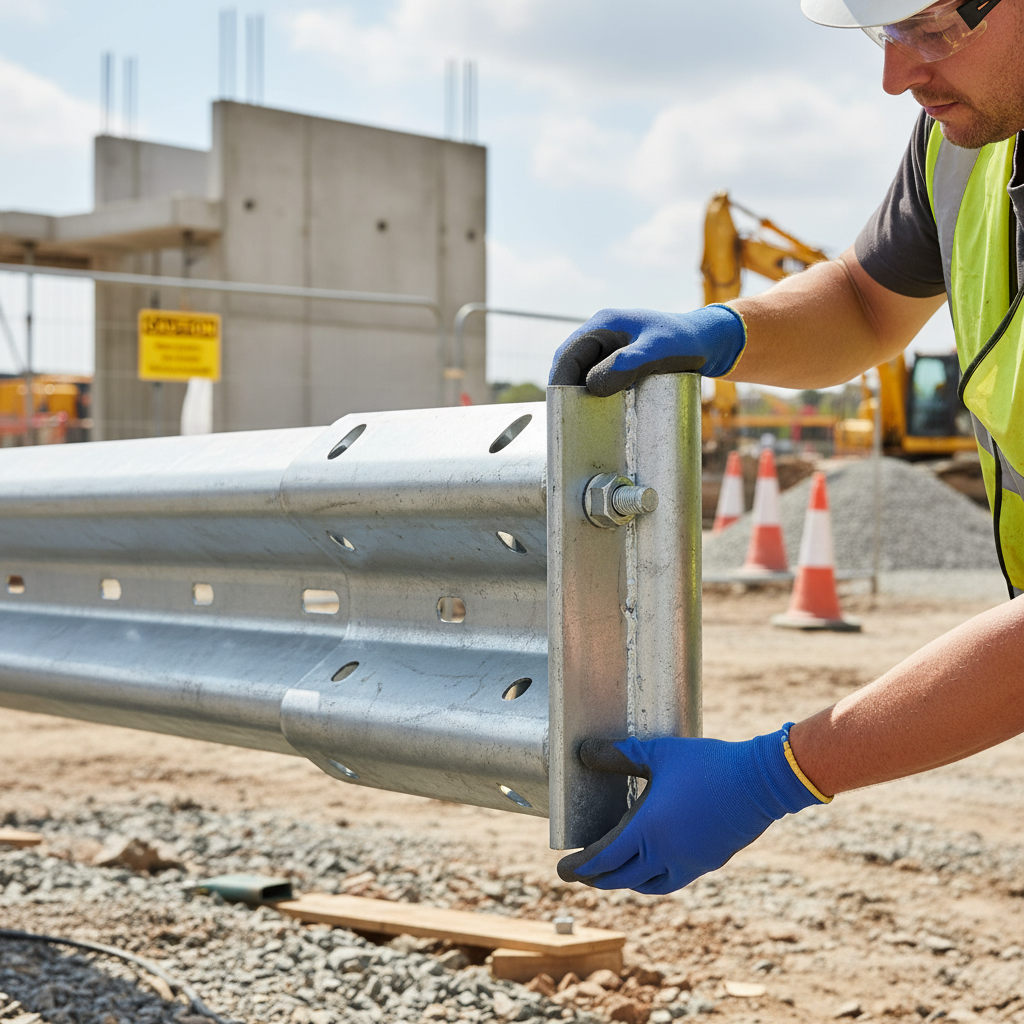
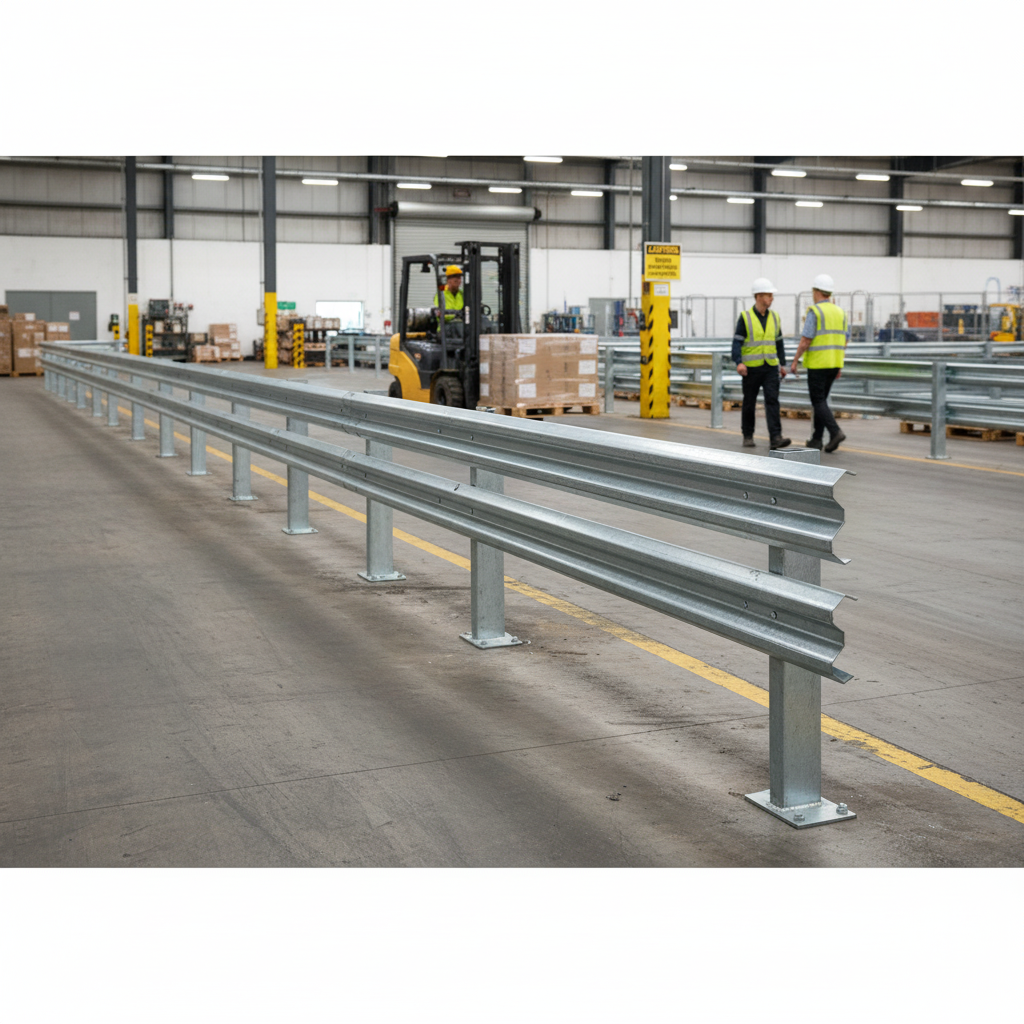
The Armco barrier takes its name from the Armco Steel Corporation, which pioneered the W-beam (double corrugated) steel profile in the early 20th century. The W-shaped cross-section gives the beam its characteristic combination of flexibility and strength — it deforms progressively on impact, absorbing energy and redirecting rather than stopping a vehicle. Modern Armco beams are manufactured from galvanised steel with optional powder-coat finishes in yellow, grey, or green. Standard beam lengths are 3.2 metres and 4 metres in the UK, with a typical beam height of 310mm.
Applications and Use Cases
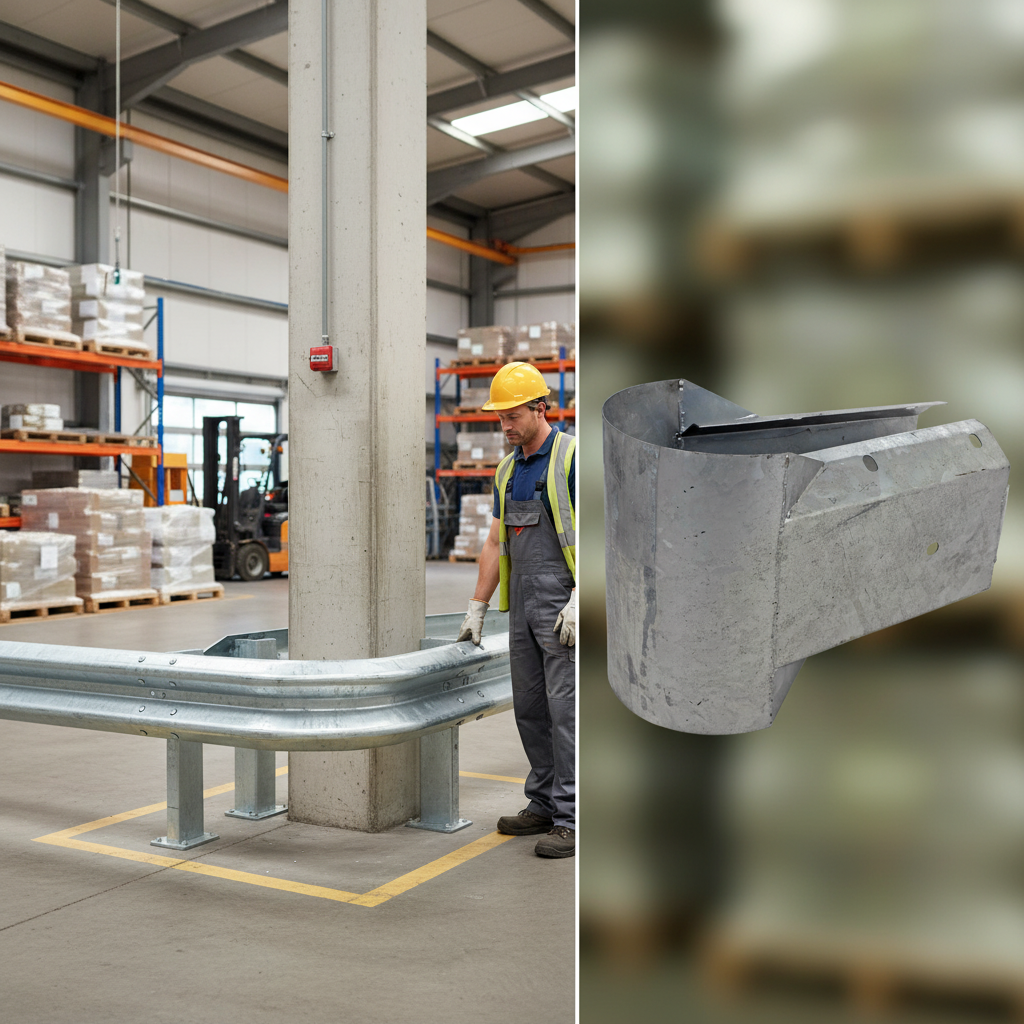
- Car parks: Column protection, perimeter walls, entrance ramps, pedestrian walkway separation
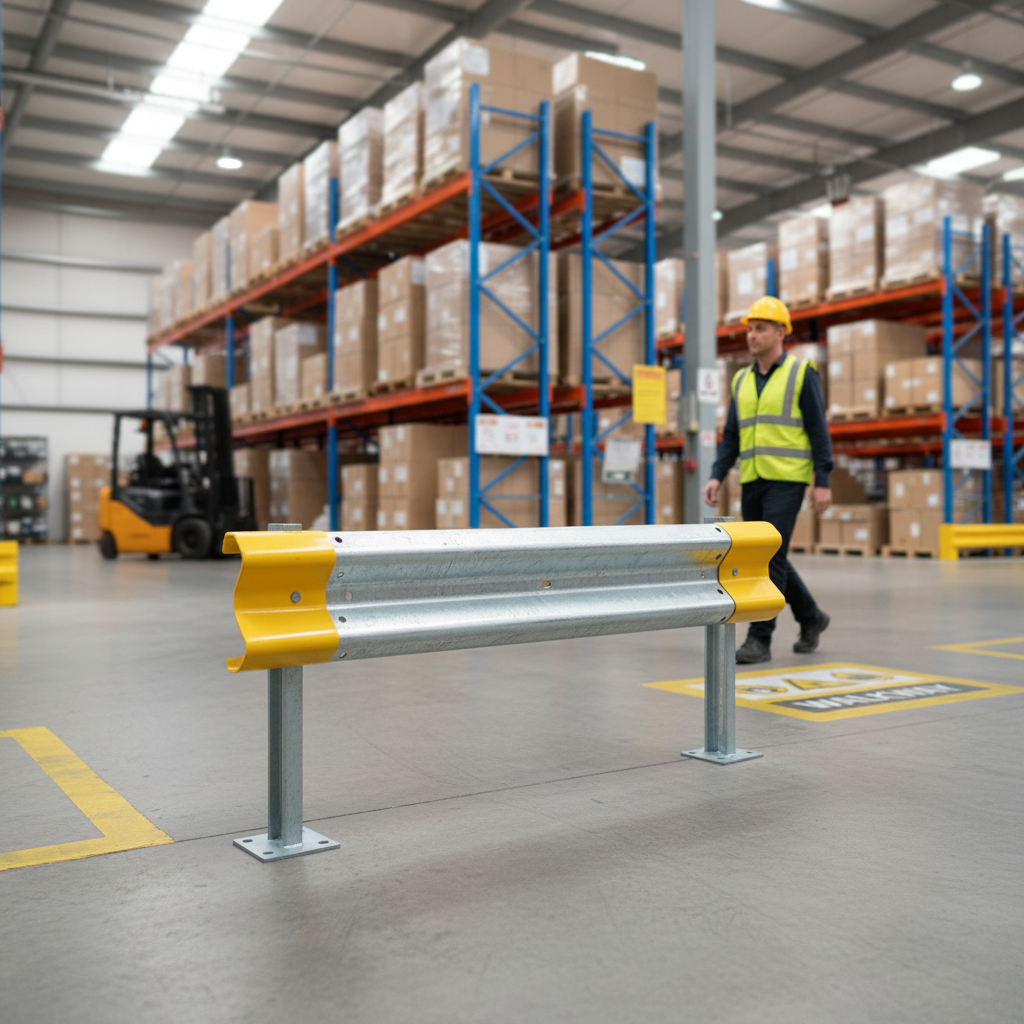
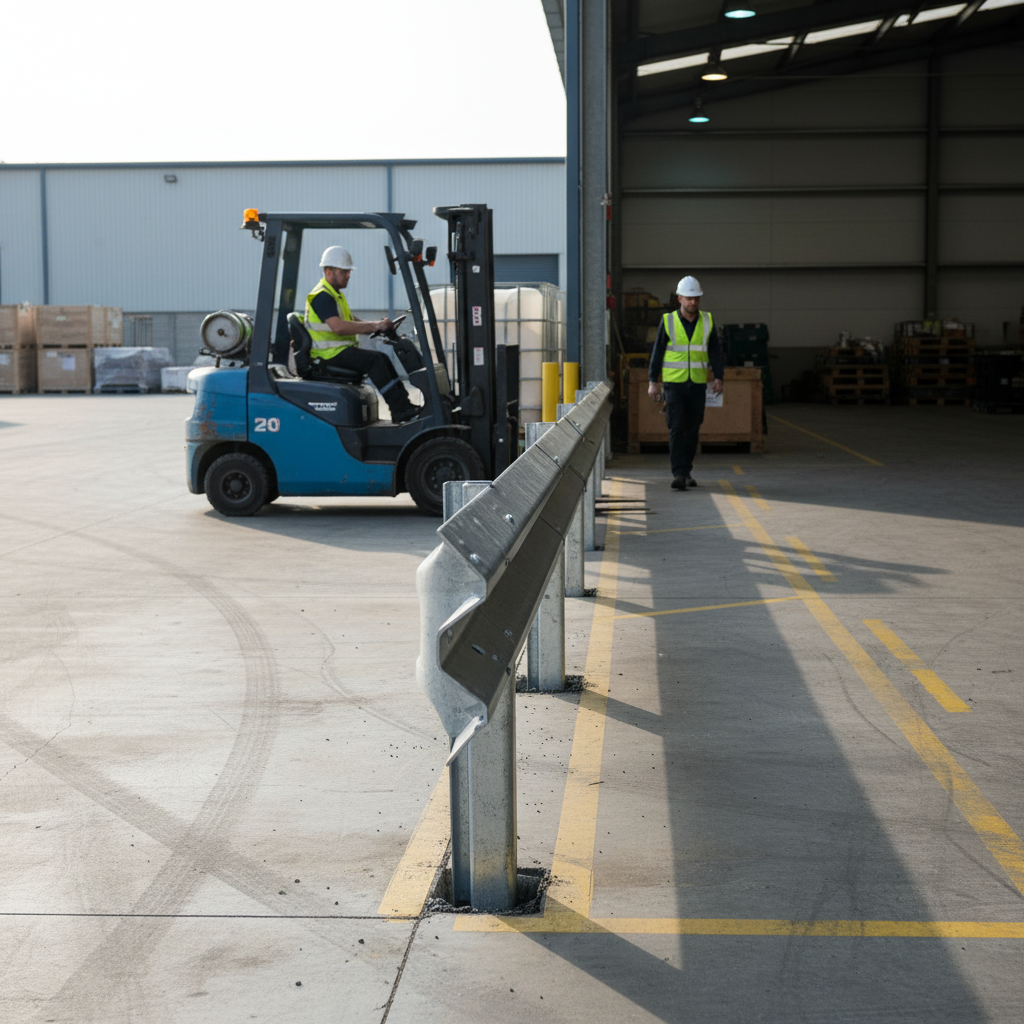
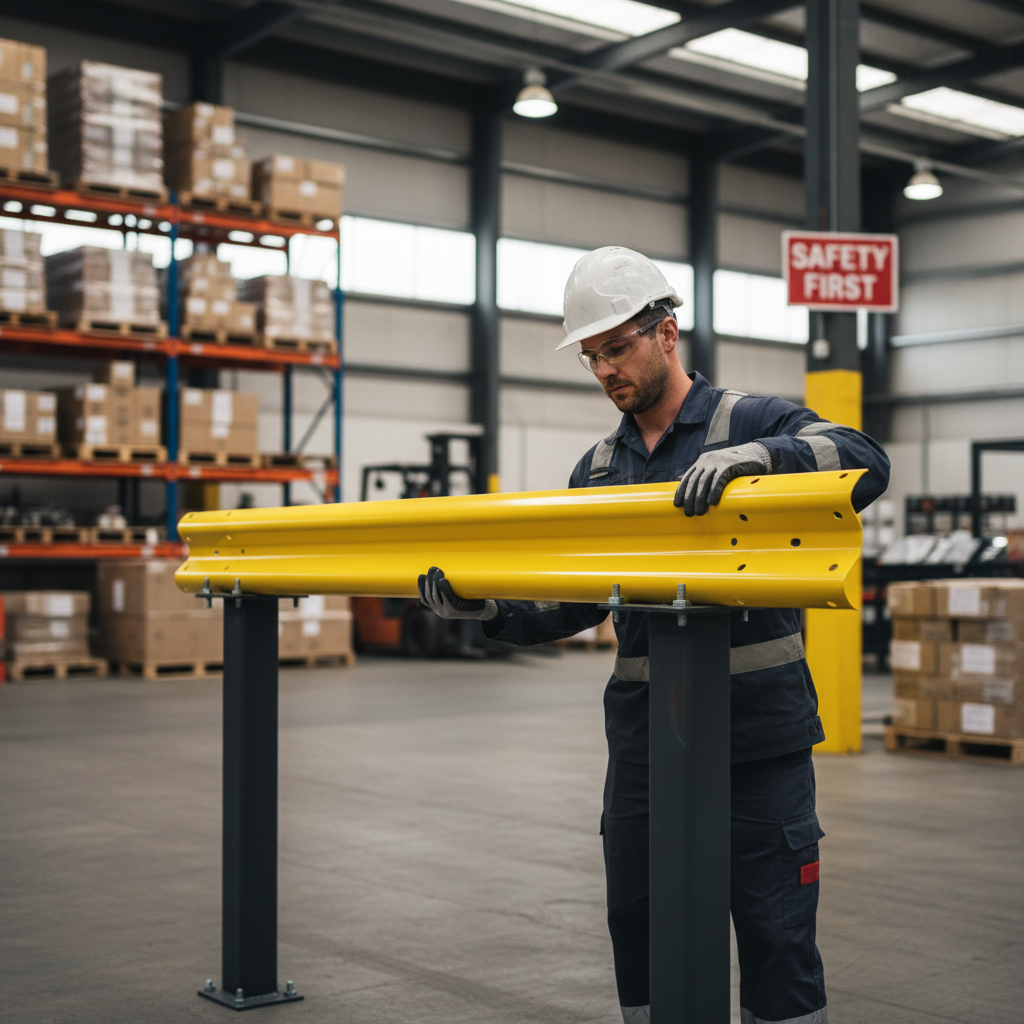
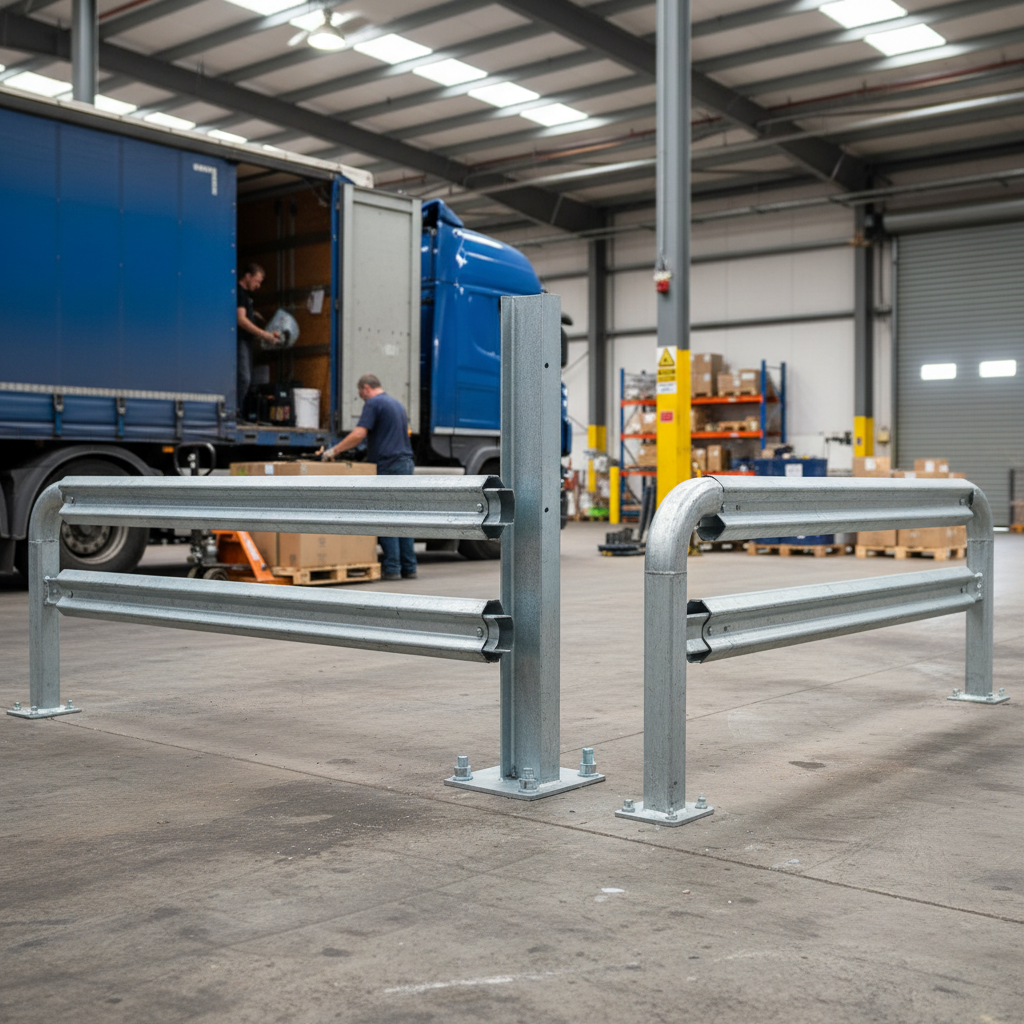
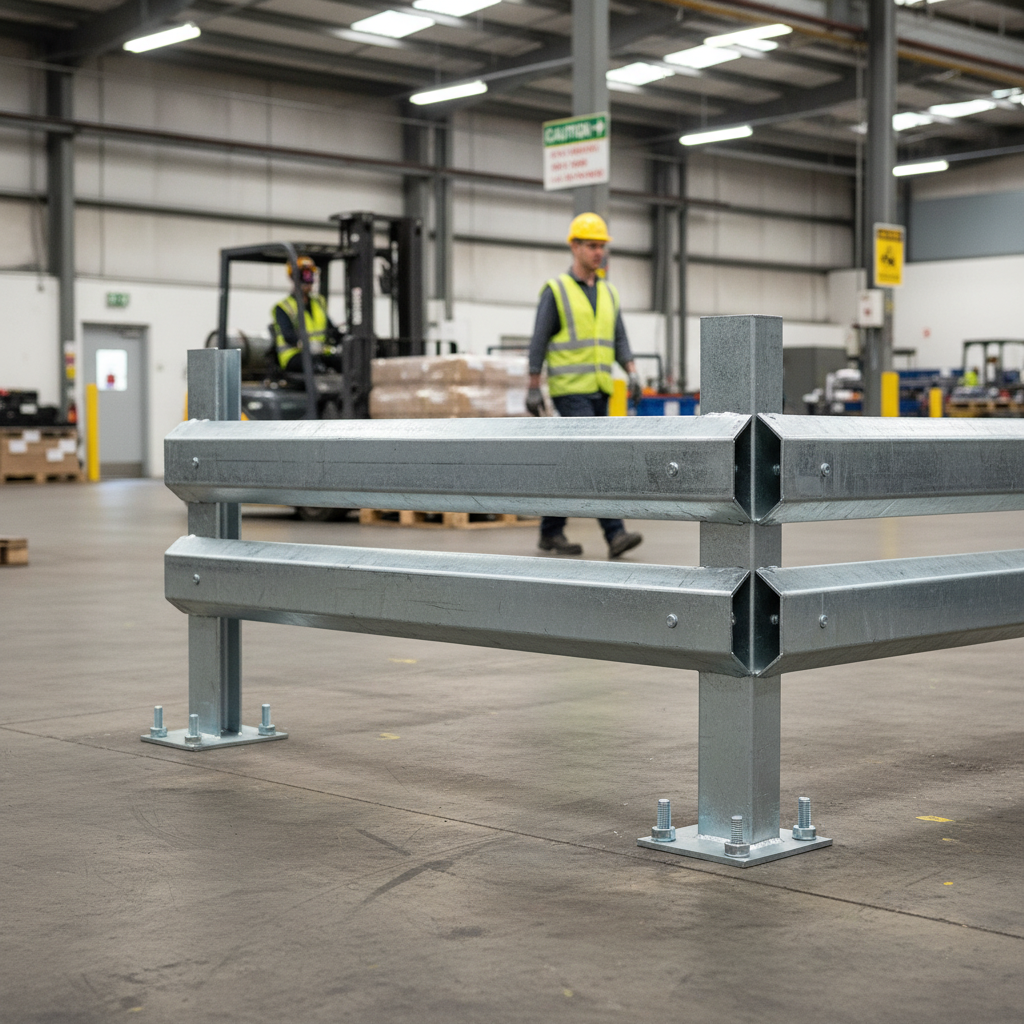
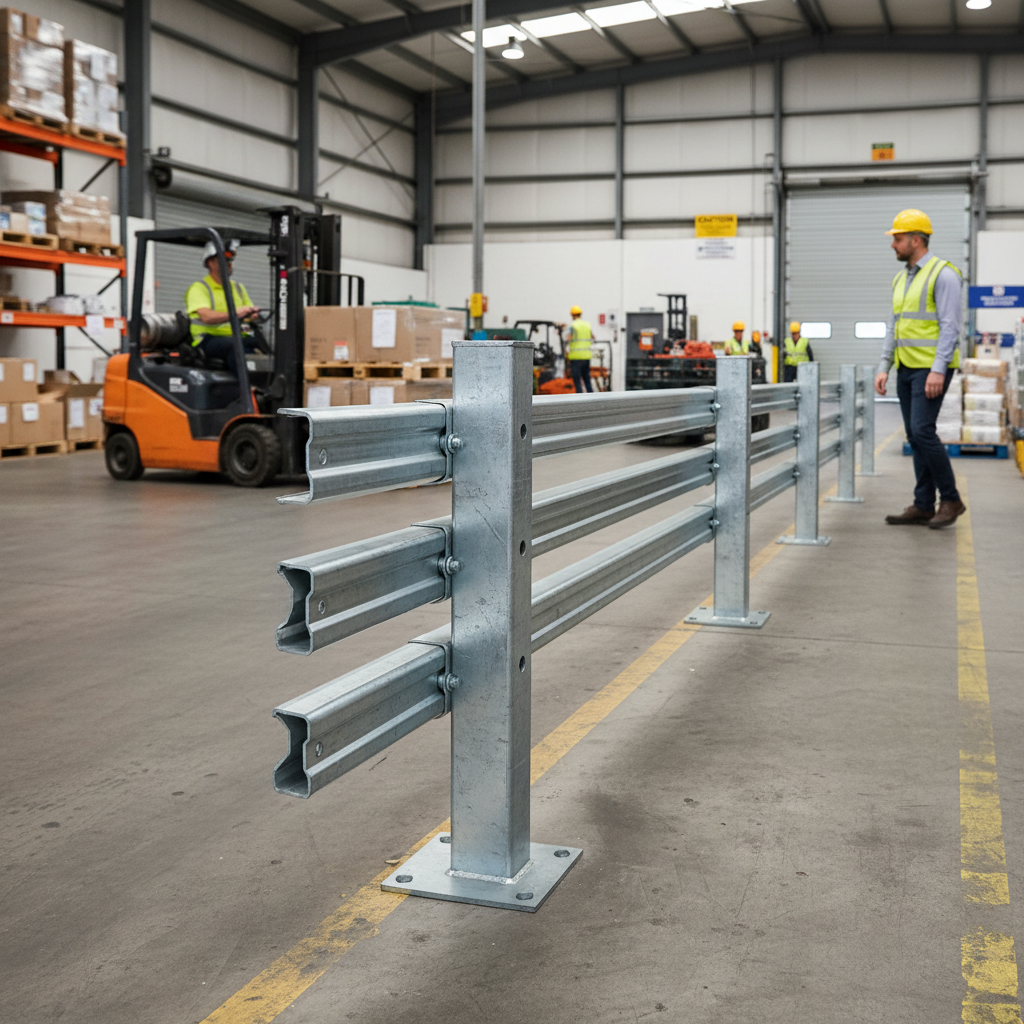
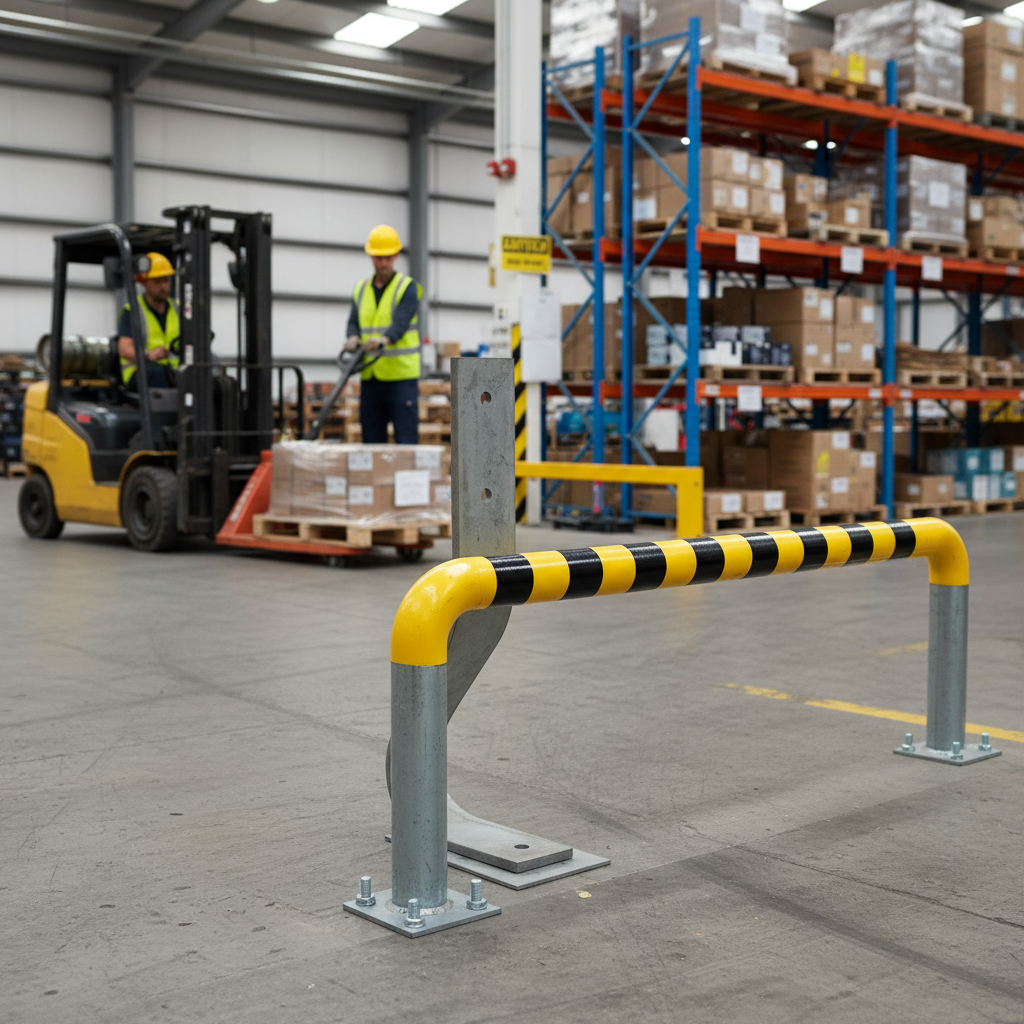
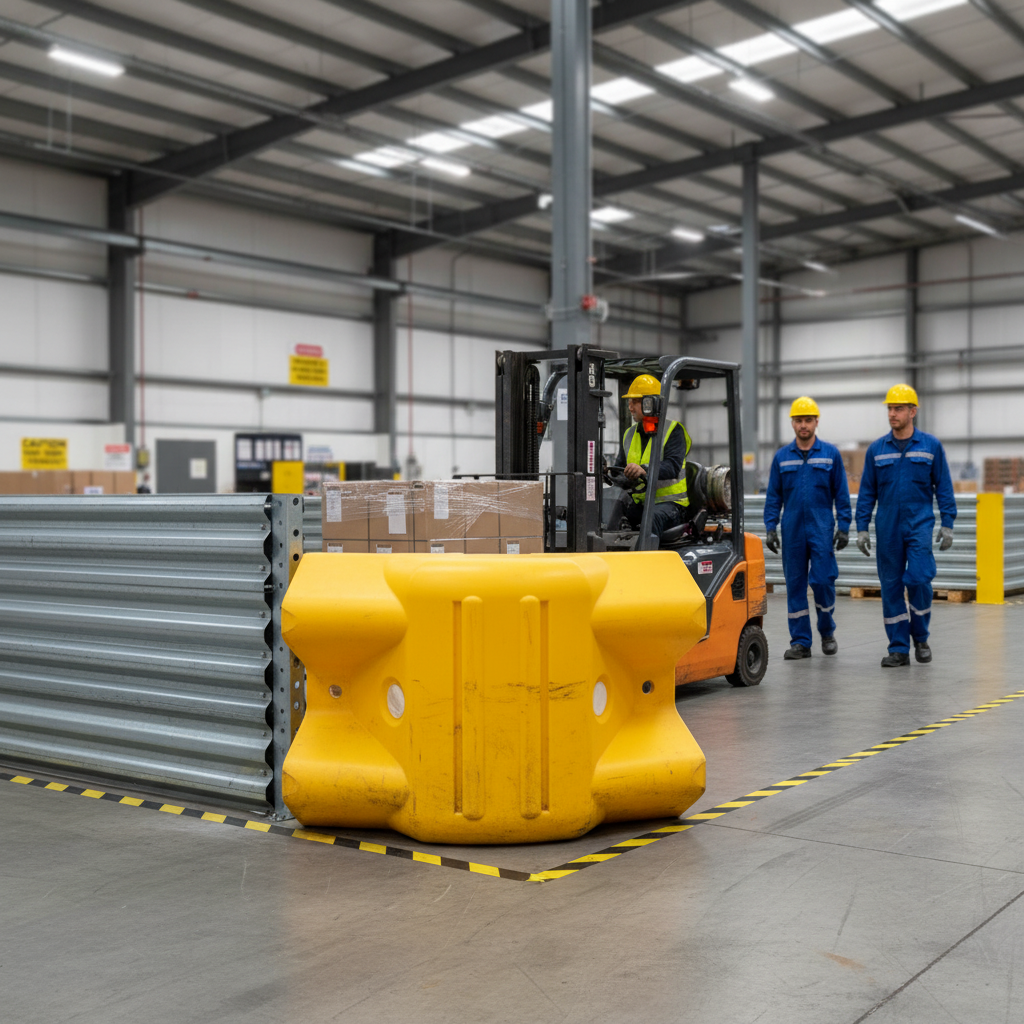
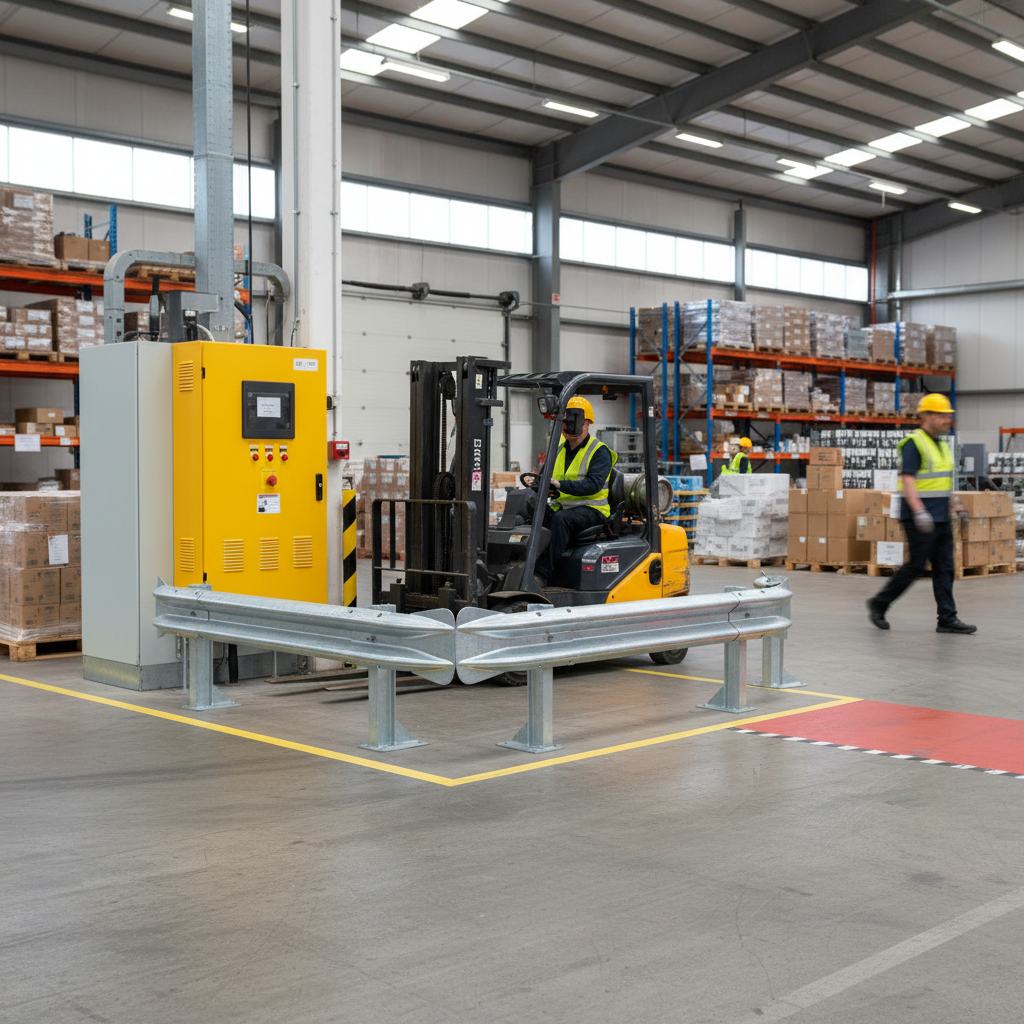
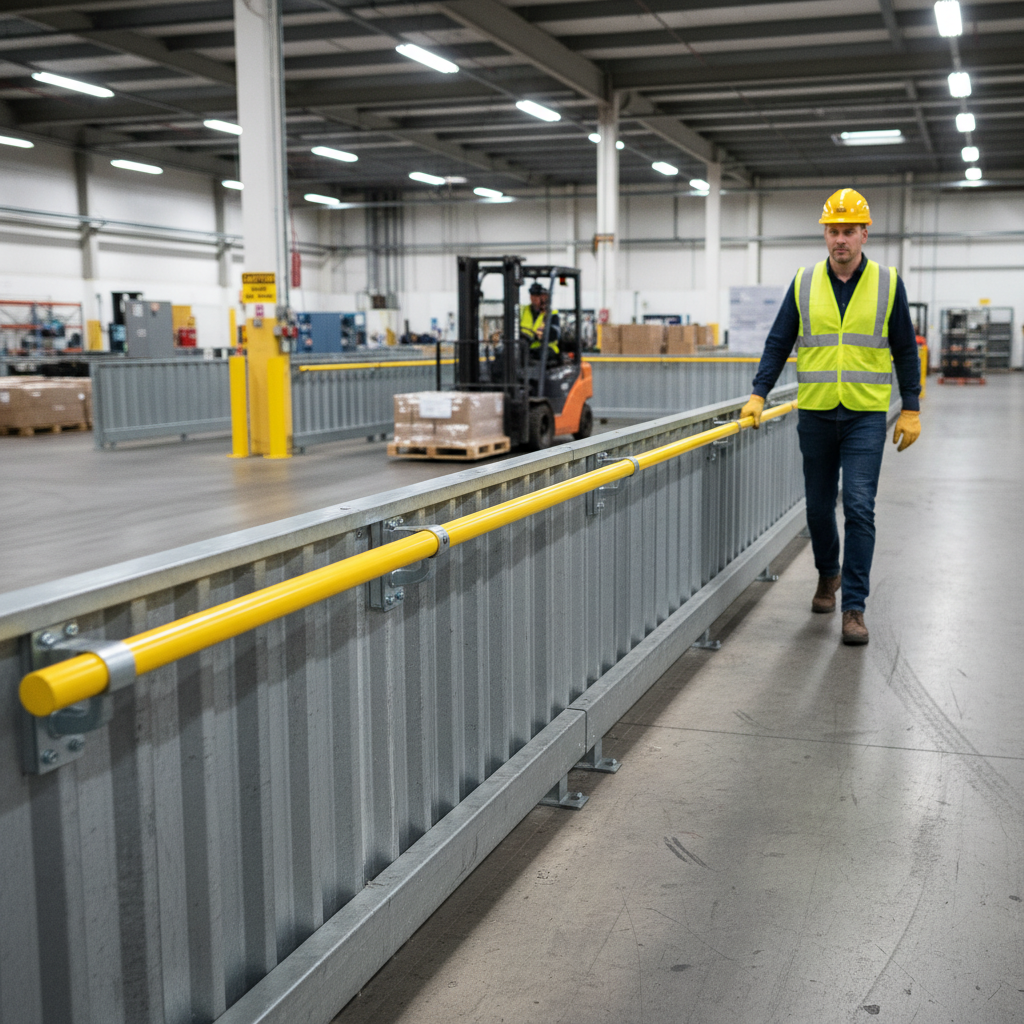
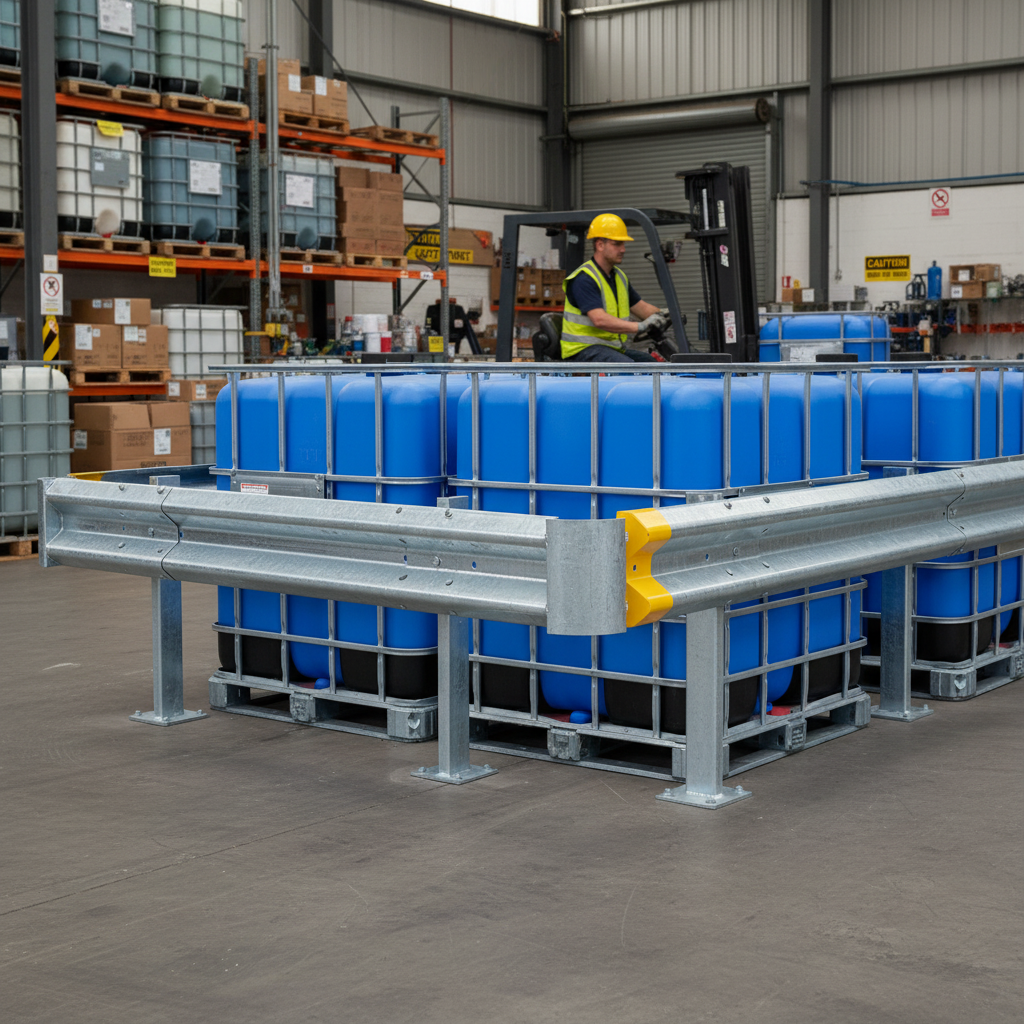
- Warehouses and distribution centres: Dock protection, forklift lanes, racking perimeter guards
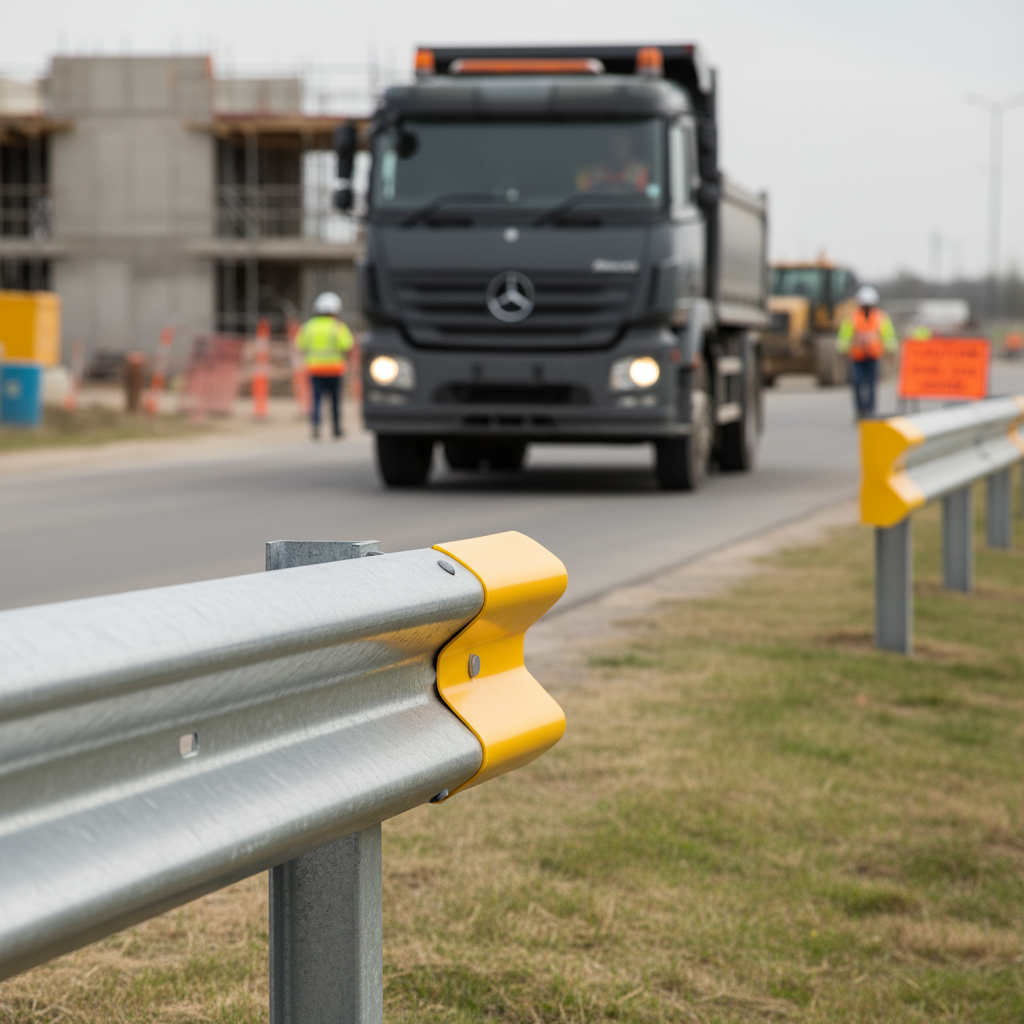
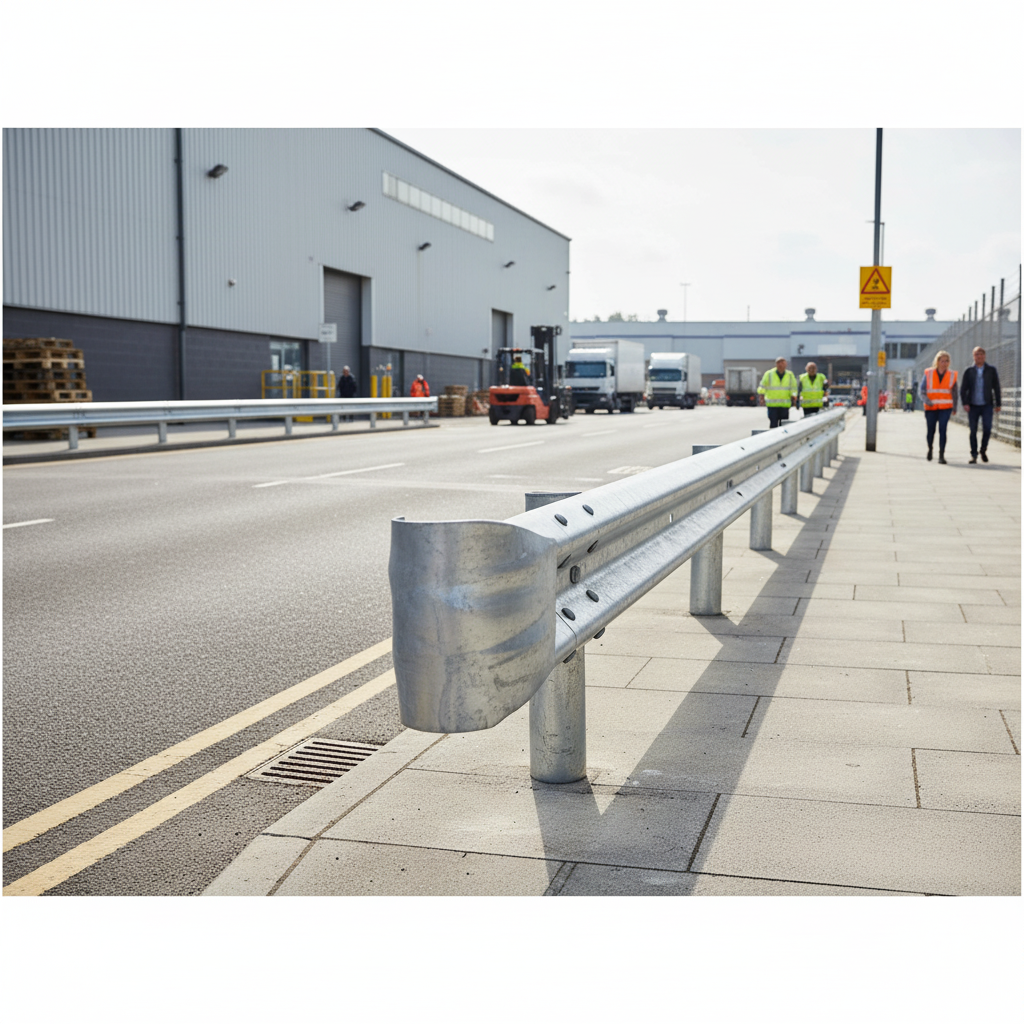
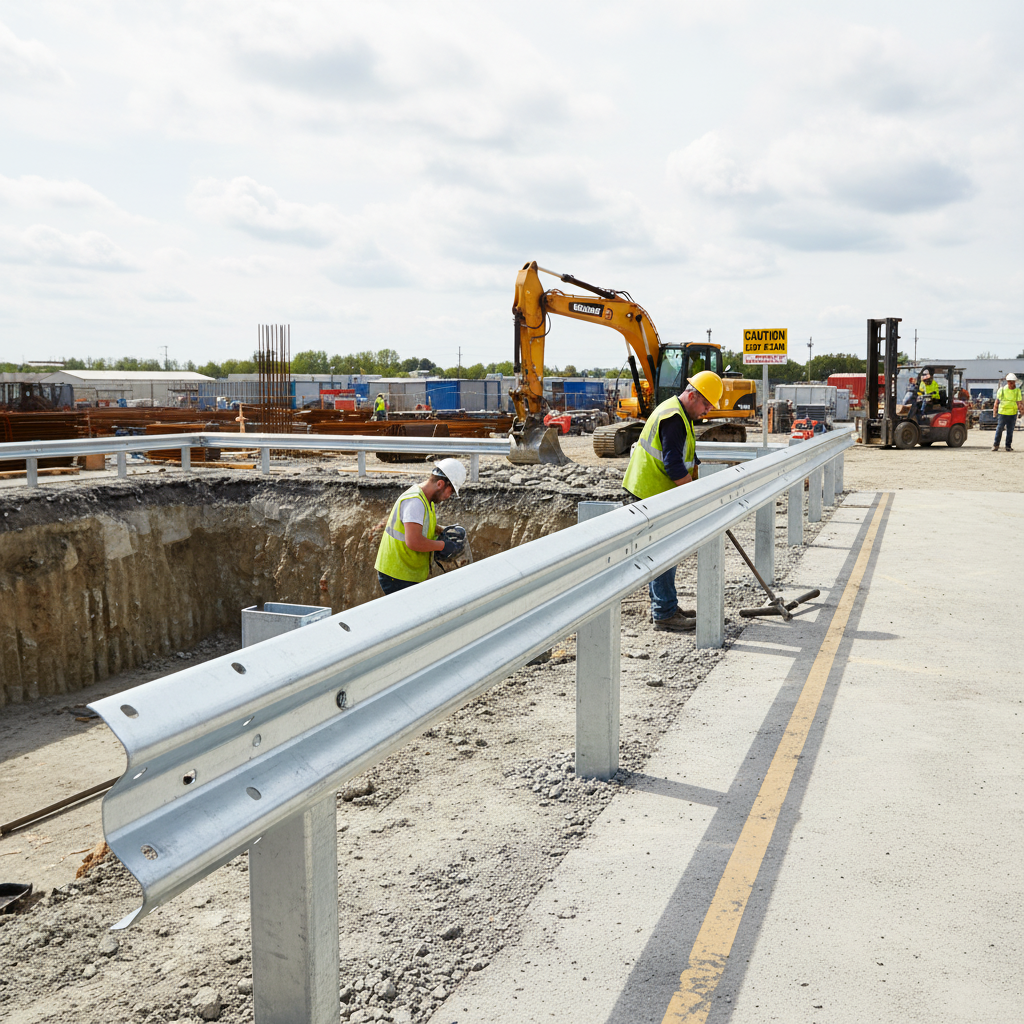
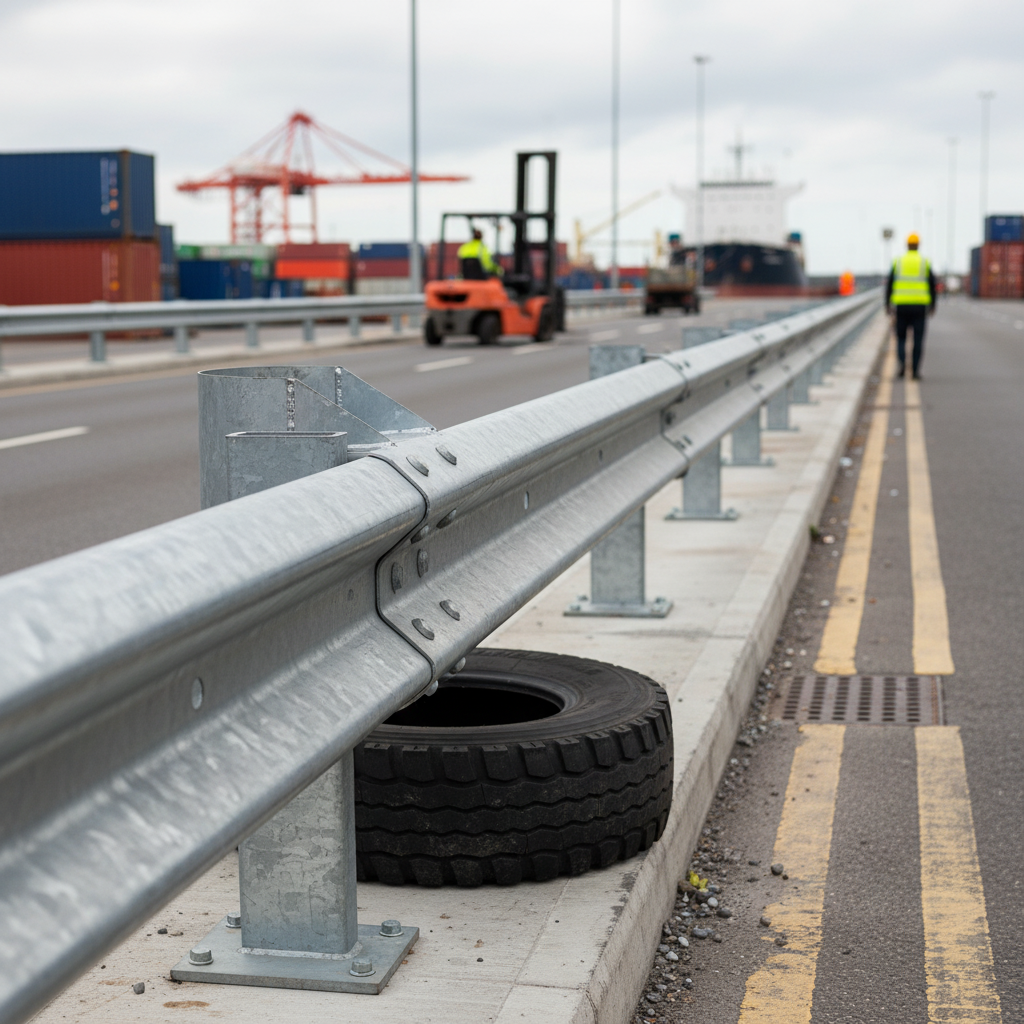
- Highways and A-roads: Central reservation barriers, roadside protection, bridge parapets
- Industrial sites: Plant boundary protection, hazardous area perimeters, gatehouse protection
- Retail parks and drive-throughs: Kerb and building protection, pedestrian segregation
UK Standards and Compliance
BS EN 1317 is the governing standard for road restraint systems in the UK and Europe. Barriers are classified by performance level:
- N2: Normal containment — suitable for most car parks and lower-speed roads
- H1: High containment — suitable for A-roads, roundabouts, and sites with heavy vehicle risk
- H2 / H4b: Very high containment — motorways and high-risk locations
For highway use in the UK, Armco barriers must comply with DMRB (Design Manual for Roads and Bridges) standards. For off-highway applications (car parks, industrial), BS EN 1317 compliance is best practice but not always mandatory — however, specifying tested products gives you documented performance characteristics for your risk assessment.
Armco Barrier Components
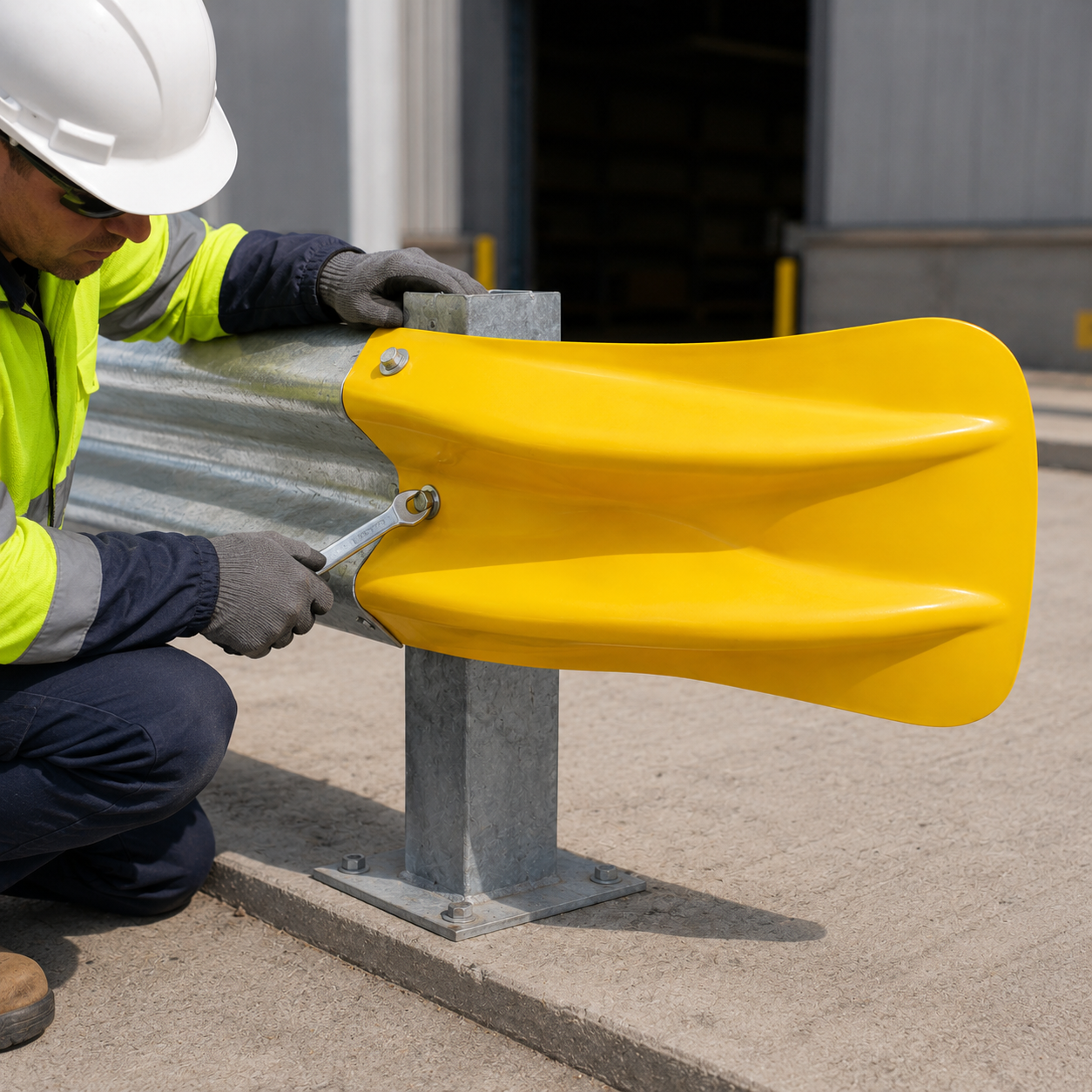
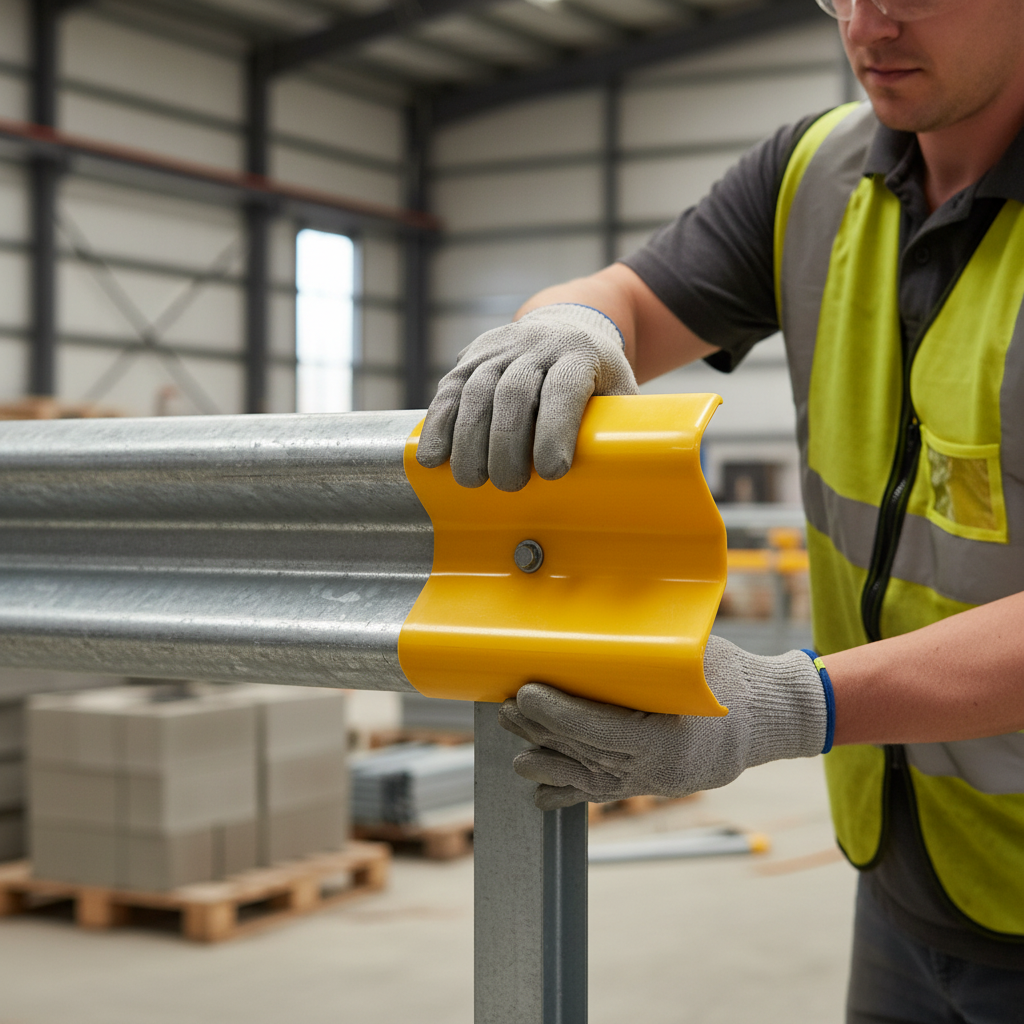
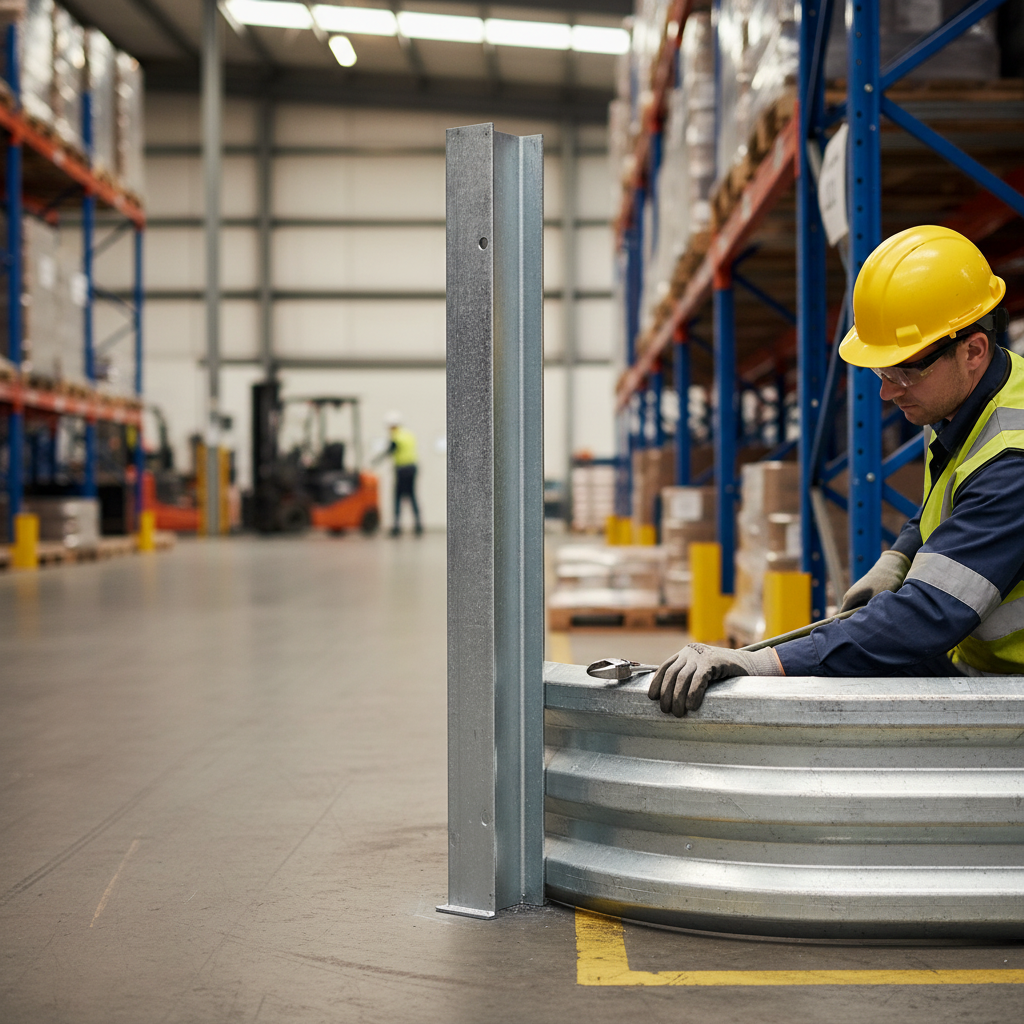
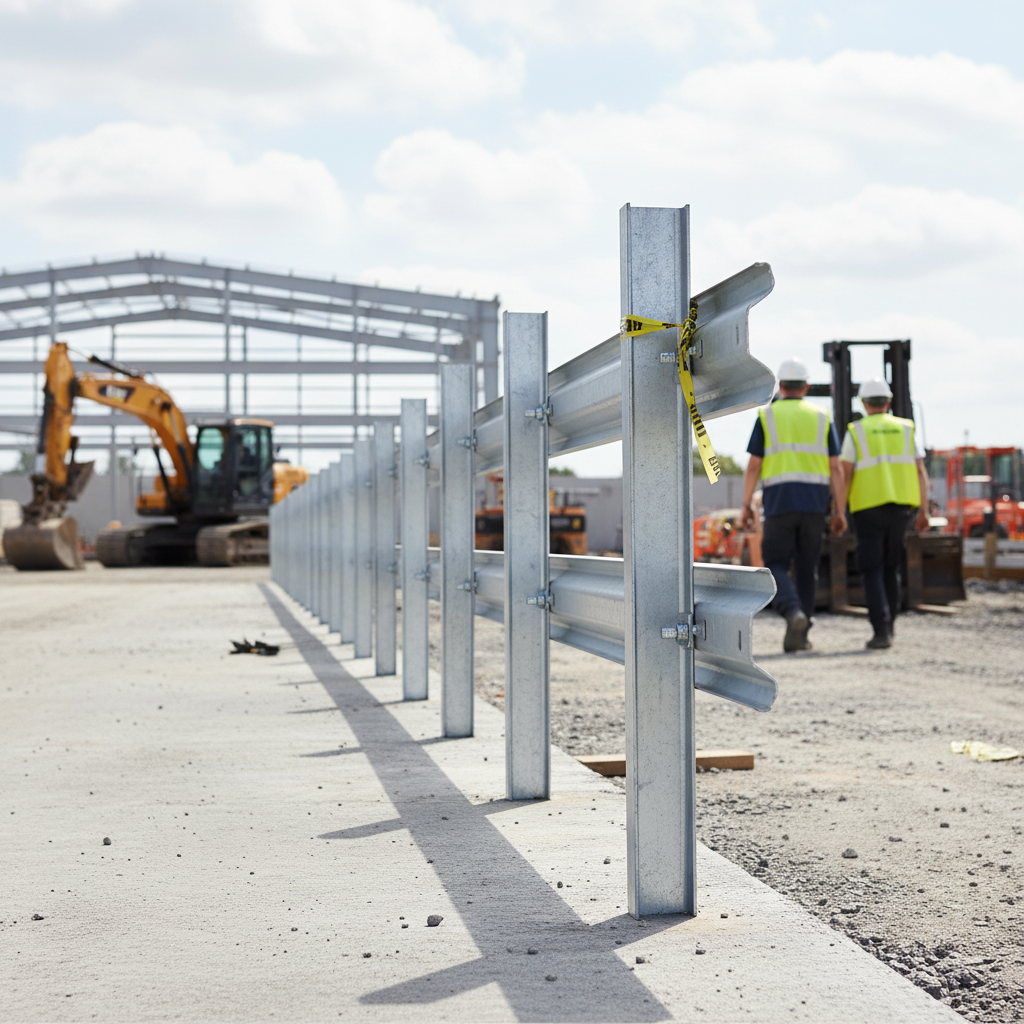
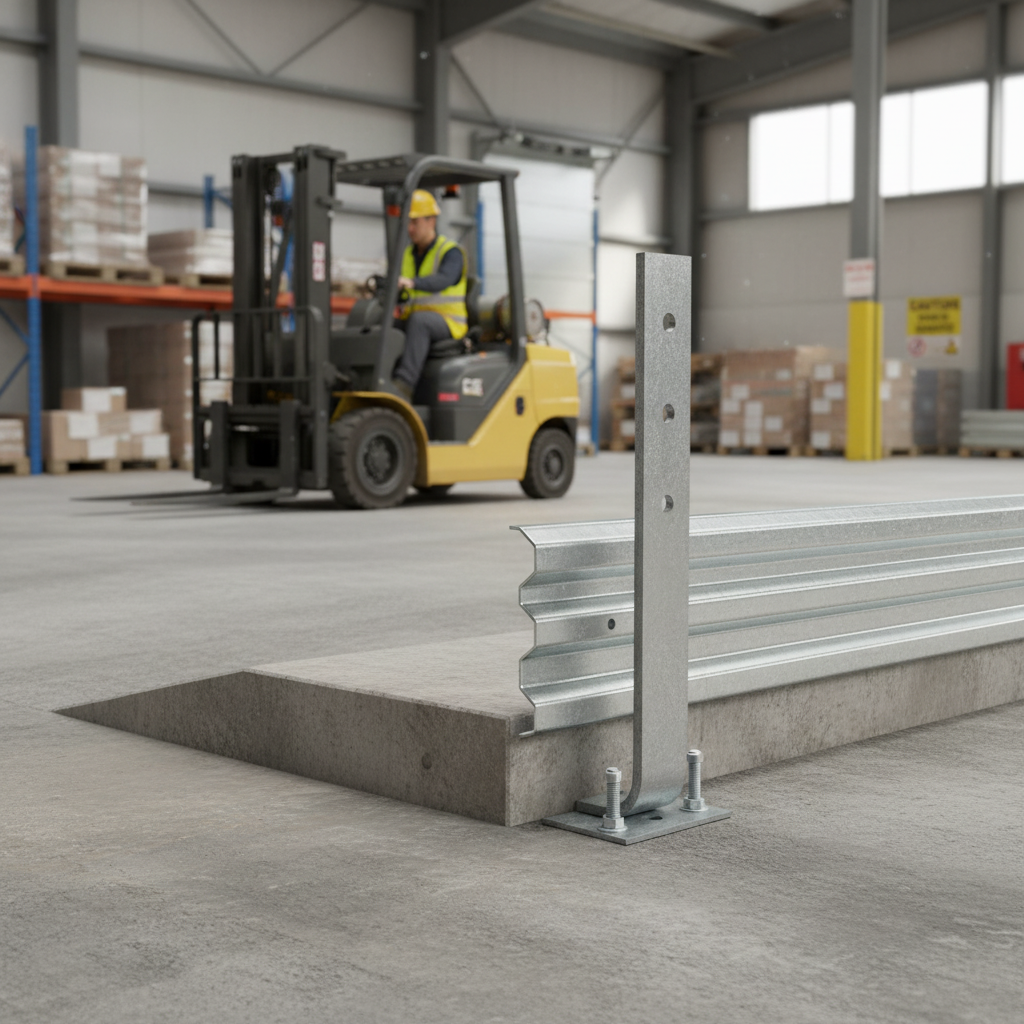
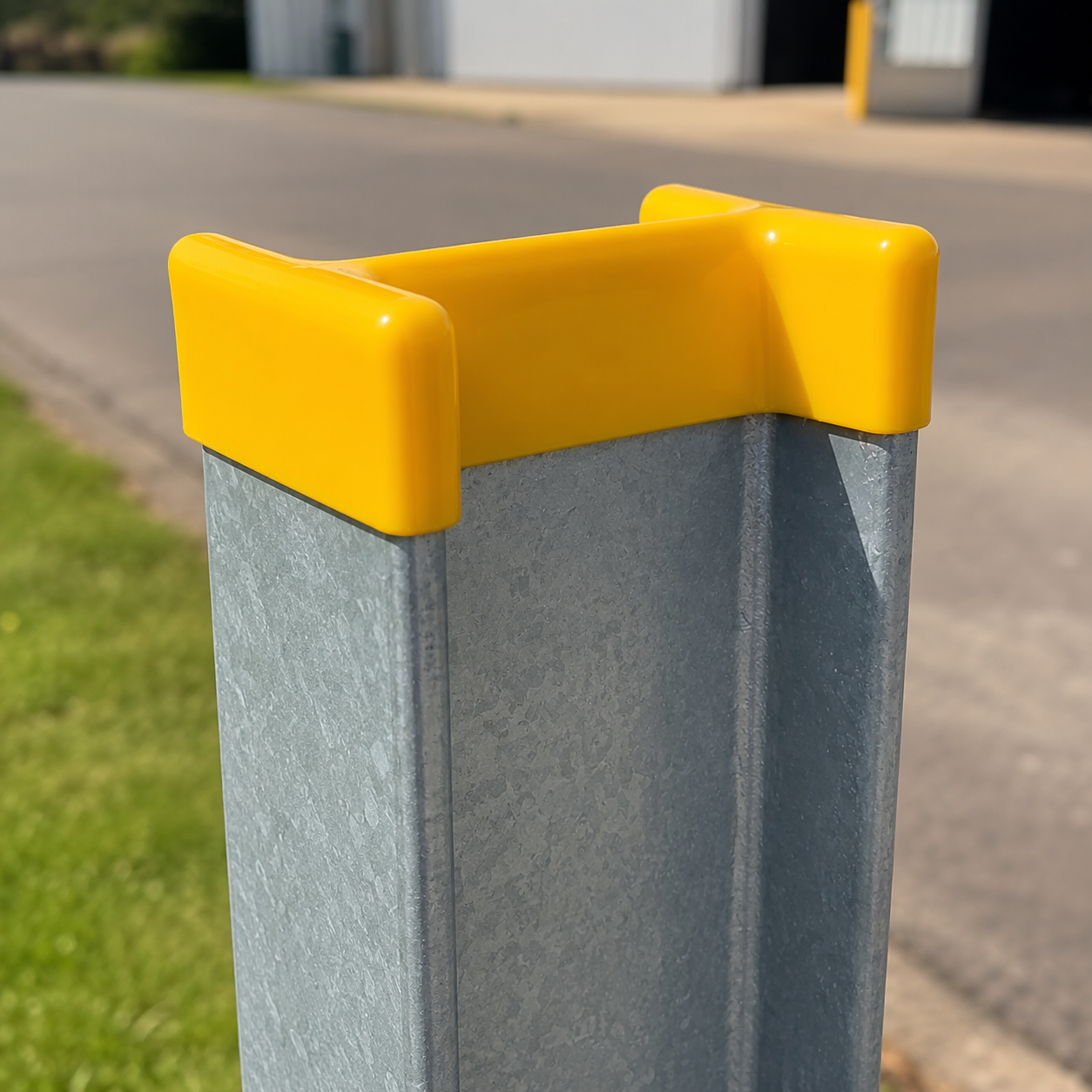
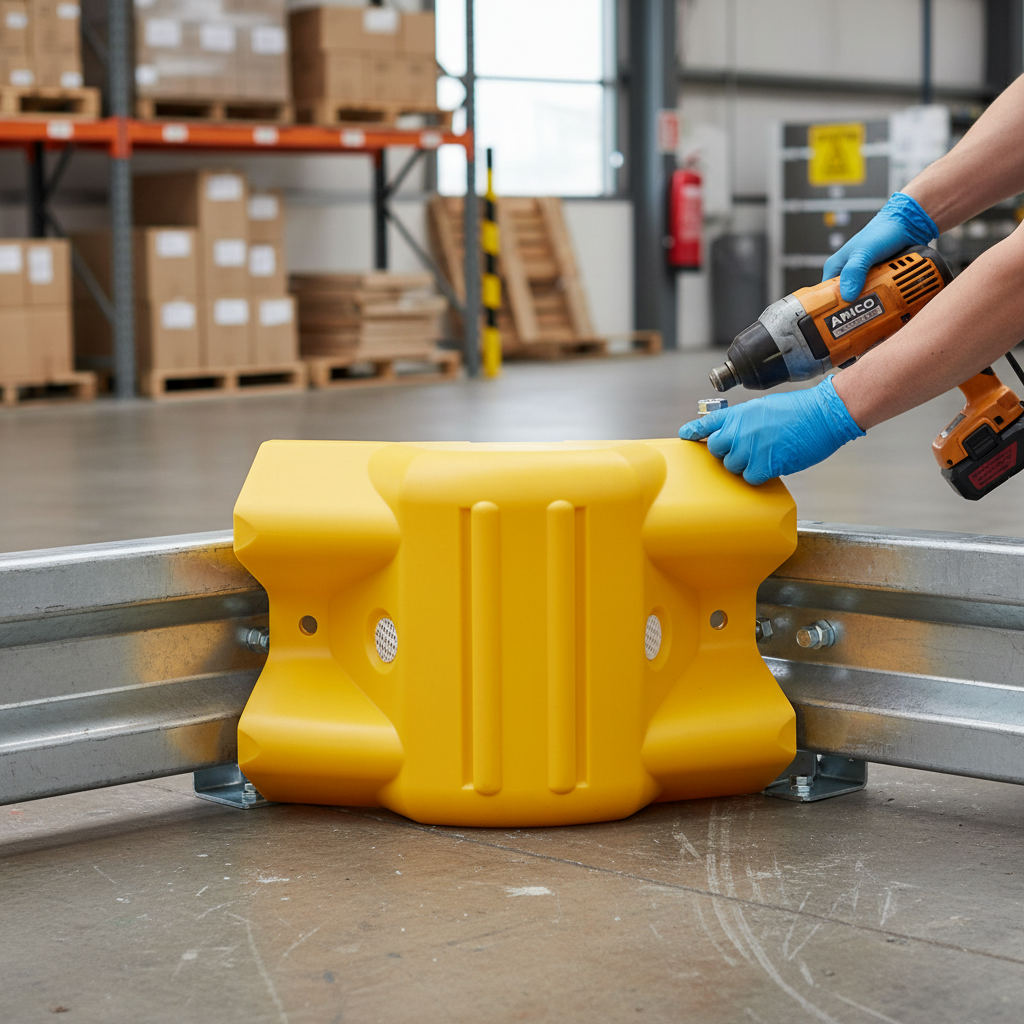
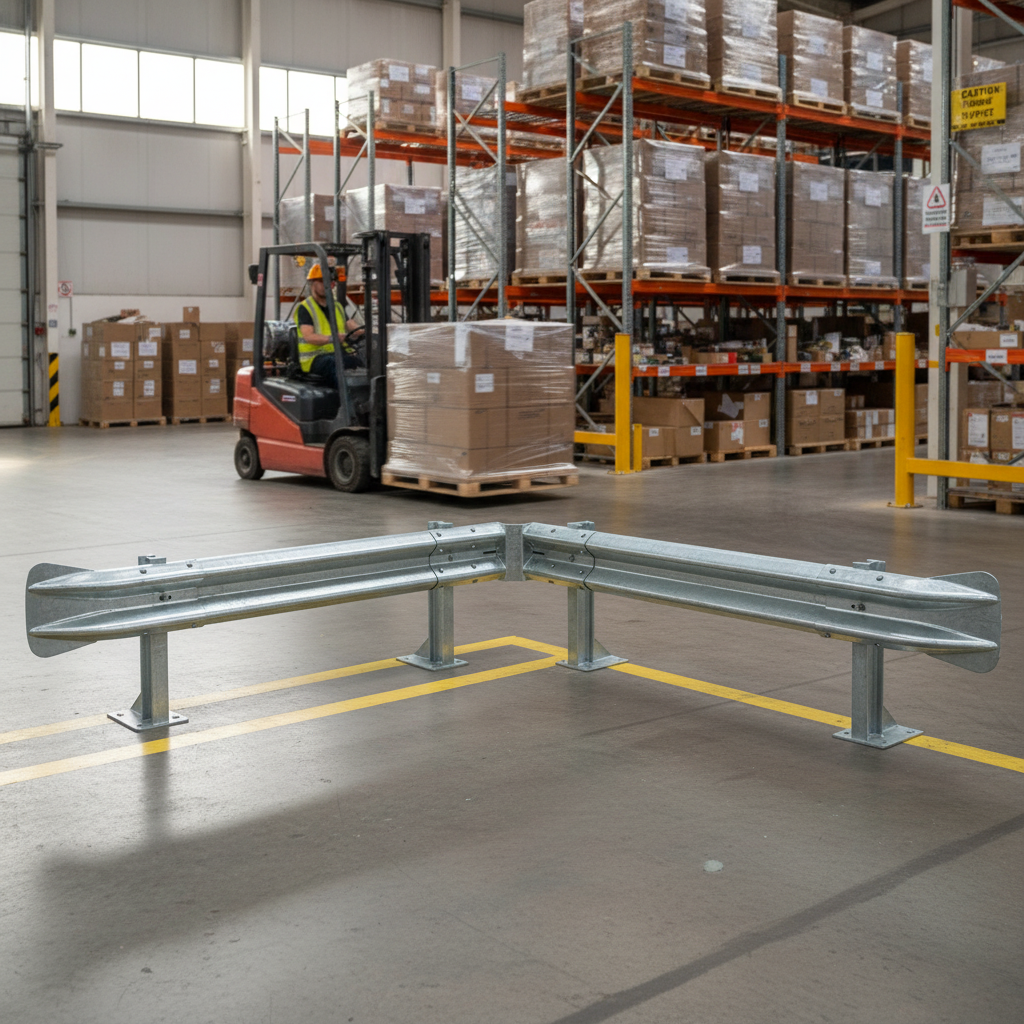
A complete Armco barrier system consists of: W-beam rails (the corrugated steel beams), posts (Z-section or RSJ), spacer blocks (to achieve the correct stand-off from post to beam), splice plates (to join beams at overlaps), end terminals (fishtail or flared ends to prevent vehicle impalement), and fasteners (galvanised bolts and nuts). Curved runs require factory or site-curved beams.
Buying Guide
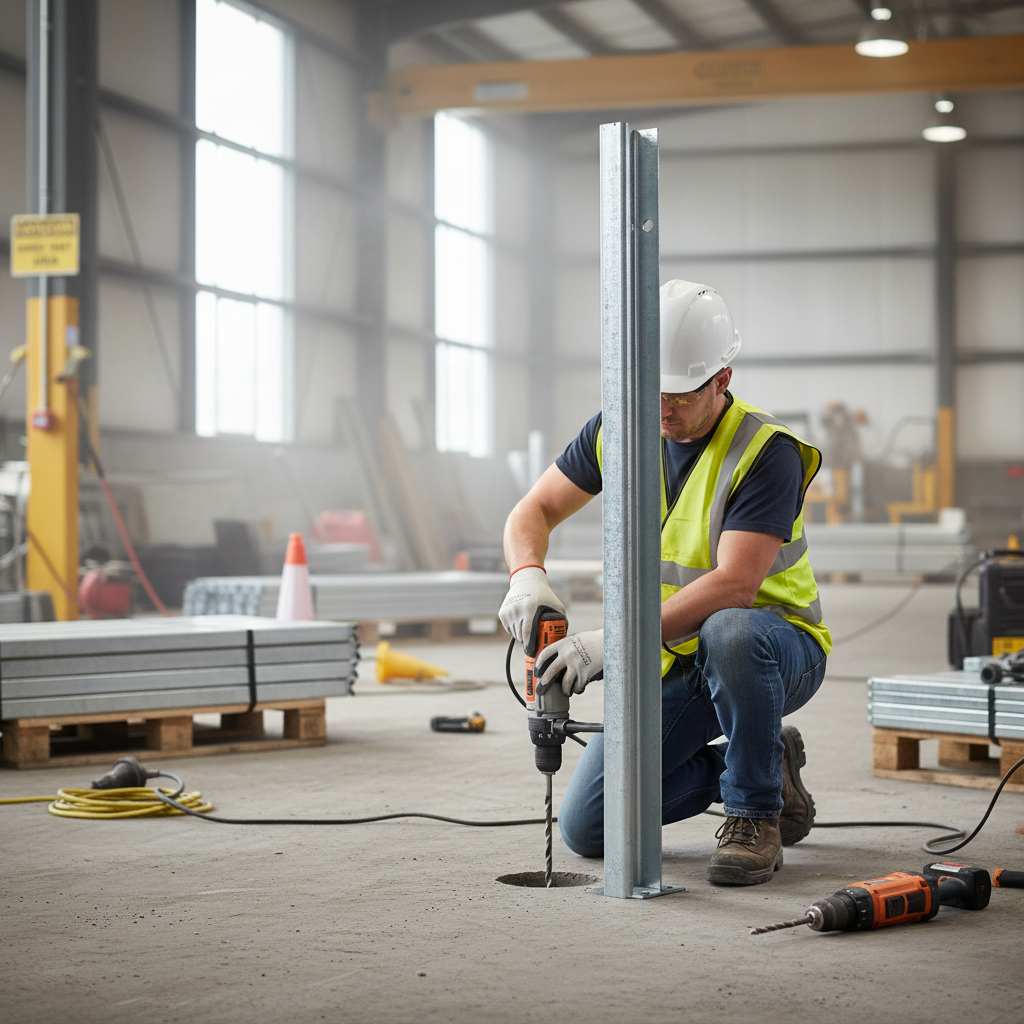
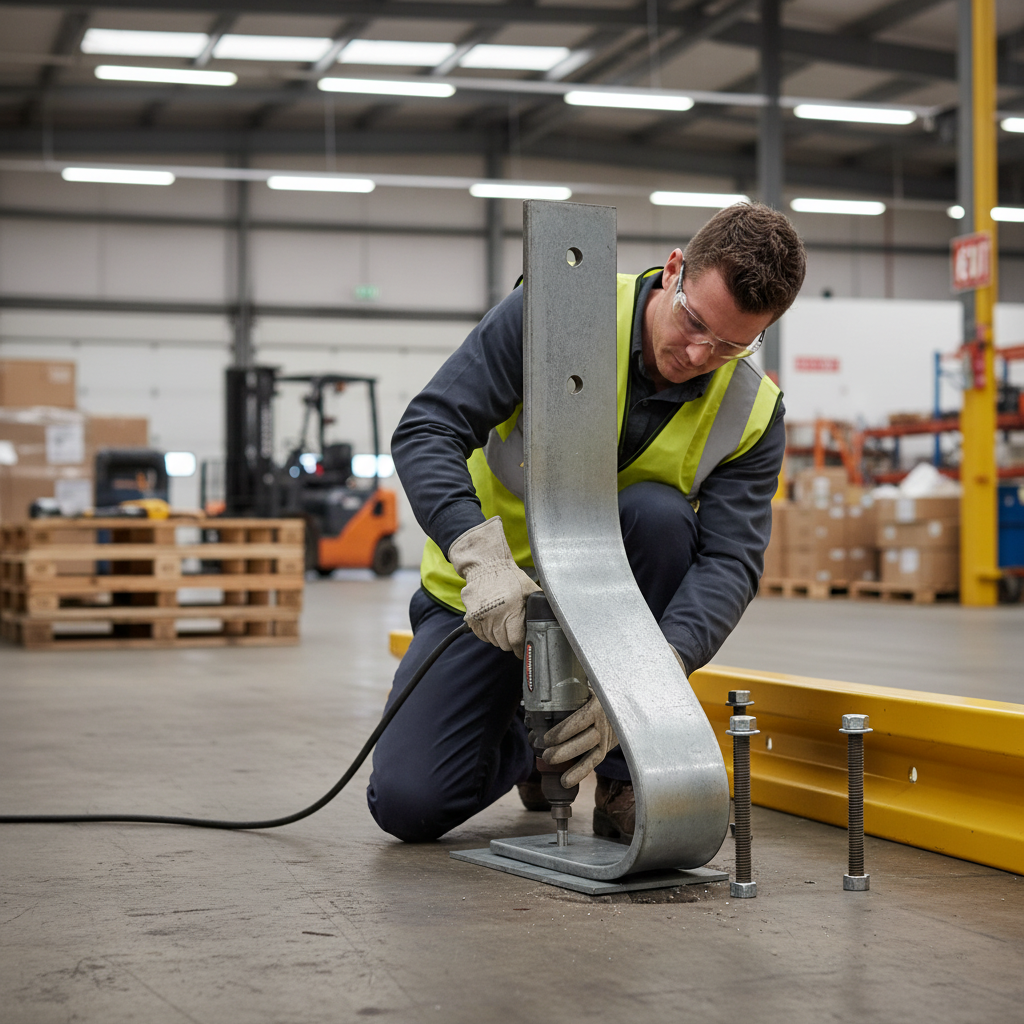
When specifying Armco barriers, determine: required containment level (N2 is standard for most applications), post type (Z-section for softer ground, bolt-down RSJ for concrete or tarmac), run length (beams are 3.2m or 4m and overlap by 150–300mm), and finish (hot-dip galvanised as standard, powder-coated yellow for high-visibility). Always include end terminals — cutting costs here creates a serious impalement hazard.
Browse the full BarriersCo range of safety barriers, bollards, and traffic management products.






Recently viewed
- Opens in a new window.
Get 10% Off Your First Order
Join 500+ businesses who trust Barriers Co for their safety infrastructure
Need help choosing?
Our team is online now. Get instant answers about products, bulk pricing, or delivery.
Chat Now